- All
- Product Name
- Product Keyword
- Product Model
- Product Summary
- Product Description
- Multi Field Search

Views: 222 Author: Ann Publish Time: 2025-11-13 Origin: Site


Content Menu
● Why Crust Thickness Changes Cutter Requirements
>> Thin crust pizza benefits from:
>> Thick crust pizza benefits from:
● Key Features for Thin vs Thick Crust
● Material Considerations and Longevity
● OEM Capabilities for International Brands
● Practical Buying Guide by Use Case
● Commercial vs Domestic Use: A Quick Comparison
● Quality Assurance and Packaging
● Care and Handling in an OEM Context
● A Practical Field Test Protocol (for testers or product pages)
>> 1) What is the best pizza cutter for thin crust pizza?
>> 2) Can a pizza cutter cut thick crust pizza effectively?
>> 3) What blade material is best for pizza cutters used in busy kitchens?
>> 4) Are dishwasher-safe pizza cutters safe for repeated use?
>> 5) How to maintain and care for a pizza cutter to extend its life?
In professional kitchens and home setups alike, the pizza cutter is more than a simple tool—it is a bridge between texture, temperature, and culinary timing. Thin crust pizzas demand precision, speed, and minimal edge disturbance, while thick crust pizzas require robustness, leverage, and sustained cutting power. This article explores how to choose the best Pizza Cutter for thin crust vs thick crust pizza, covering wheel size, blade material, ergonomics, maintenance, and practical buying guidance. It also highlights how OEM manufacturers can tailor cutters to brand specifications, regional preferences, and market standards.

A pizza cutter is a cutting tool designed to slice round or square pizzas into triangular or square servings. The most common designs include:
- Wheel-style cutters (a circular blade that rolls through the crust)
- Rocker-style cutters (a curved blade that rocks back and forth)
Each design has distinct advantages depending on crust thickness, topping distribution, and user preference. For thin crusts, wheel cutters with moderate wheel diameter often deliver quick, clean passes; for thick crusts, both wheel cutters with reinforced hubs and rocker designs may provide the necessary force and control.
- Lightweight wheels that glide with minimal resistance
- Shorter, precise passes to avoid edge compression
- Ergonomic handles to sustain speed during service
- Stronger blade materials and reinforced wheel hubs to resist bending
- Larger wheel diameters or dual-blade configurations for stability
- Balanced weight distribution to reduce fatigue during ongoing slicing
Understanding these differences helps readers select a cutter that optimizes throughput, consistency, and safety in diverse kitchen environments.
- Wheel diameter: 3.5–4.5 inches is common for home use, while commercial settings may opt for up to 4.5–5 inches for greater cutting leverage on thick crusts.
- Blade material: Stainless steel offers corrosion resistance and ease of cleaning; high-carbon stainless blends sharp edge retention with corrosion resistance. Some heavy-use models use hardened steel or coated blades to reduce sticking.
- Ergonomics: Handle shape, grip texture, and balance influence precision and fatigue, especially during high-volume service. A comfort grip with a finger guard can improve safety.
- Safety features: Blade guards, sheath storage, and non-slip bases reduce risk during prep, storage, and transport.
- Maintenance: Dishwasher-safe claims vary; many professional users prefer hand washing to protect sharp edges and prolong life. Drying and occasional light oiling prevent rust on exposed joints.
- Maintenance frequency: In busy kitchens, regular inspection of edge sharpness and hinge integrity ensures consistent results across shifts. Sharpening methods include professional sharpening or in-house tools designed for specialized pizza cutters.
- Stainless steel blades resist rust and are easier to clean, making them well-suited for high-volume environments and domestic kitchens alike. They also tolerate dishwashing (subject to manufacturer guidelines).
- Carbon steel blades can achieve sharper edges but may require more maintenance to prevent rust, especially in humid kitchens or coastal areas. Protective coatings can help mitigate corrosion.
- Blade geometry influences performance: thinner edges slice with less resistance but can dull quicker; thicker blades provide strength for heavy-duty use. Edge geometry and bevel angle determine cutting efficiency and edge retention.
- Handles and hubs: Material choices (santoprene, polycarbonate, stainless steel) affect wet grip, durability, and ease of sanitization. Ergonomic design reduces fatigue during long service periods.
Our factory specializes in OEM Pizza Cutters for foreign brands and wholesalers, offering customization in wheel size, handle ergonomics, blade materials, branding packaging, and safety features aligned with international hygiene standards. We provide end-to-end support—from product development and tooling to packaging design and quality control—tailored to North American, European, and Asian markets. This enables brands to differentiate through performance and aesthetics while meeting regulatory requirements.
- For home cooks focusing on thin crust: a 3.5–4 inch wheel with a lightweight, ergonomic handle, rust-resistant blade, and simple cleaning workflow is ideal. Prioritize a comfortable grip and a compact footprint for storage.
- For home cooks who also handle occasional thick crust pizzas: consider a cutter with a 4–4.5 inch wheel, reinforced hub, and slightly heavier weight to reduce wheel chatter and edge skipping.
- For small commercial kitchens or pizzerias with frequent heavy use: select models with larger wheels (4.5–5 inches), high-grade stainless steel or coated blades, and a robust, balanced handle. Look for models with blade guards and easy cleaning features.
- For brands seeking OEM: pursue cutters with customizable branding, packaging, and potential color options for handles. Ensure compatibility with your labeling and regulatory standards in target markets.
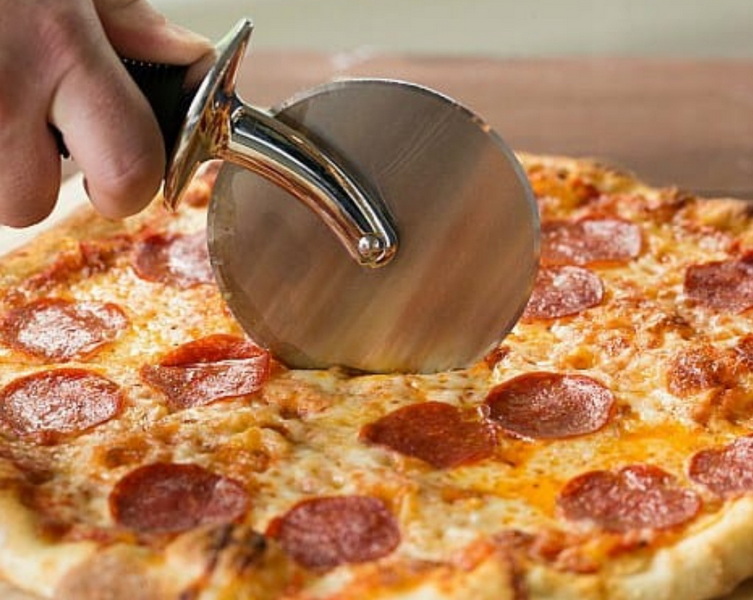
- Hand washing is generally preferred to preserve sharp edges and prevent corrosion on joints; use mild detergent and warm water, then dry thoroughly.
- If dishwasher-safe, always verify manufacturer guidelines, as high heat and aggressive detergents can degrade some coatings or seals.
- Storage should involve blade guards or sheaths to prevent accidental cuts and to protect the edge. Proper drying minimizes rust and staining.
- Regular sharpening extends life; follow the blade angle recommendations provided by the manufacturer or employ a professional sharpening service when needed.
- Safety practices: keep fingers away from the blade edge, use proper grip, and store away from children to prevent injuries.
- Domestic use emphasizes convenience, storage, and simple maintenance. A 3.5–4 inch wheel with comfortable grip often suffices for a few pizzas per week.
- Commercial use demands durability, high throughput, and sanitation compatibility. Larger wheels, reinforced designs, and easy-clean features are preferred in restaurant and pizzeria settings.
- For OEM customers, packaging design can reinforce brand identity—color schemes, logos, and usage instructions in multiple languages help market penetration. Safety labeling and care instructions should align with regional regulatory expectations.
- Quality checks at multiple stages (raw materials, machining tolerances, assembly integrity, finish quality, and final functional tests) ensure consistent performance across production lots.
- Customized blade coatings or surface treatments can improve rust resistance and reduce food sticking, beneficial for frequent use scenarios.
- Ergonomic handle customization—grip texture, finger guard placement, and overall balance—enhances user satisfaction and reduces fatigue, especially for professional kitchens.
- Branding strategies may include laser-etched logos on blades or handles, color-coded guards for safety and inventory management, and packaging that reflects the brand story.
- Test 1: Thin crust pizza, 20–30 slices per batch, observe glide, edge retention, and slice uniformity.
- Test 2: Thick crust pizza, multiple passes, monitor edge stability, user fatigue, and ease of cleaning after greasy toppings.
- Test 3: Cleaning and sanitization—dishwasher compatibility, drying time, and any coating wear after repeated cycles.
- Test 4: Ergonomics—subjective grip comfort, wrist strain, and control during rapid slicing.
- Test 5: Branding and packaging—clarity of labeling, reliability of branding elements, and protection during shipping.
In choosing the best Pizza Cutter for thin crust vs thick crust pizza, balance wheel diameter, blade material, and ergonomic design with the intended use context. For OEM collaborations, leverage customization capabilities to align with brand aesthetics, regional market expectations, and regulatory standards, while maintaining rigorous quality control. By integrating the above considerations, brands and kitchens can optimize cutting performance, safety, and efficiency across diverse pizza formats.
The right Pizza Cutter makes a tangible difference in slice quality, production speed, and user safety. Thin crust demands nimble, light-cut performance with a compact wheel, while thick crust benefits from robust construction, larger wheels, and durable materials. For OEM partners, the ability to tailor wheel size, materials, handle geometry, and packaging translates into a differentiated product that resonates with international customers and stands up to professional use. If seeking customization, we provide end-to-end OEM services—from design and tooling to branding-ready packaging—ensuring each cutter meets precise performance and regulatory criteria.
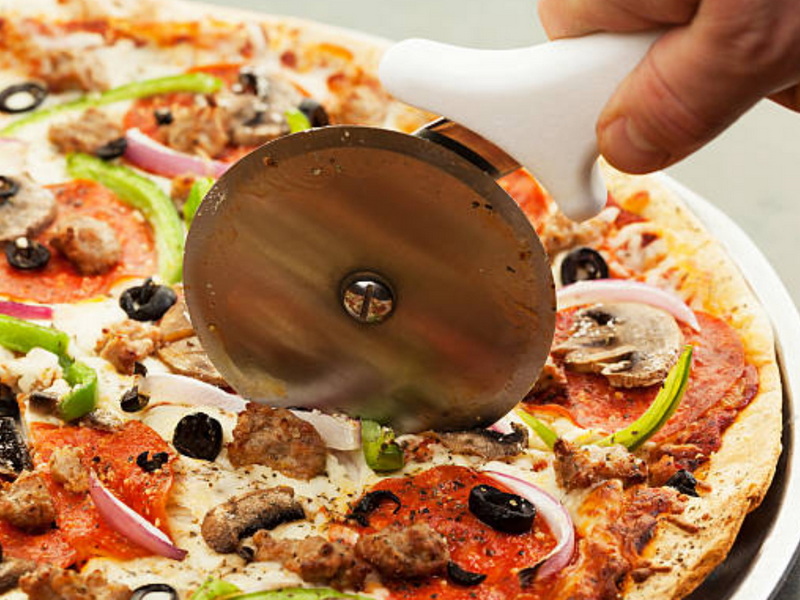
A cutter with a 3.5–4 inch wheel, lightweight handle, and smooth glide typically delivers the best balance of control and speed for thin crust pizzas.
Yes, but it often requires a cutter with a reinforced hub, a larger wheel (4.5–5 inches), and a balanced, heavier feel to maintain cutting power through denser crusts.
Stainless steel offers strong corrosion resistance and ease of cleaning, making it a preferred choice for high-volume kitchens. Some blends that combine hardness with corrosion resistance can provide longer edge life.
Dishwasher safety depends on the manufacturer's guidelines; high heat and detergents can degrade coatings or seals on some cutters, so hand washing is commonly recommended for longevity.
Regular cleaning, thorough drying, light oiling on exposed joints, careful sharpening when needed, and safe storage with blade guards all help extend cutter life.


