- All
- Product Name
- Product Keyword
- Product Model
- Product Summary
- Product Description
- Multi Field Search

Views: 222 Author: Ann Publish Time: 2025-11-25 Origin: Site


Content Menu
● Market Trends and Consumer Insights
● Product Innovation and Differentiation
● Global Distribution and Customer Service
● Additional Profit Maximization Tactics
● Sustainability and Future Trends
● Frequently Asked Questions (FAQs)
>> 1. What are the most sought-after cheese knife types globally?
>> 2. How significant is eco-friendliness in consumer buying decisions?
>> 3. What sales channels should producers prioritize for international growth?
>> 4. Does offering customization boost sales?
>> 5. What challenges must sellers overcome in global markets?
The global cheese knife market, valued at approximately USD 1.86 billion in 2024, is forecasted to grow to around USD 3 billion by 2035, exhibiting a compound annual growth rate (CAGR) of 4.4% between 2025 and 2035. This steady expansion is fueled by increasing consumer enthusiasm for gourmet cheeses, specialty kitchen tools, and growing trends in home entertaining and culinary exploration worldwide. For manufacturers and sellers aiming to maximize profits internationally, a multifaceted approach involving market intelligence, product innovation, targeted marketing, and efficient global distribution is essential. This comprehensive guide explores these strategies in detail while integrating the latest industry insights.
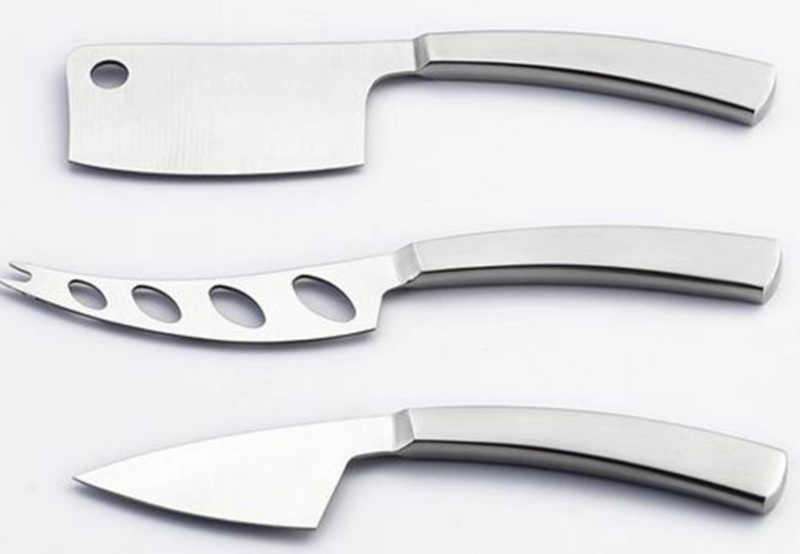
Cheese consumption and appreciation continue to rise globally, influenced by evolving food cultures and expanding gourmet preferences. As of 2025, North America dominates roughly 35% of the global cheese knife market, thanks to its mature retail infrastructures and high consumer spending on premium kitchenware. Europe holds a close 30%, rooted in rich culinary traditions and cheese-centric cuisines, while the Asia-Pacific region sees rapid growth with a 25% share driven by increasing Western food adoption and rising disposable incomes. Latin America and the Middle East & Africa collectively constitute the remaining 10%, spurred by urbanization and expanding gourmet retail channels.
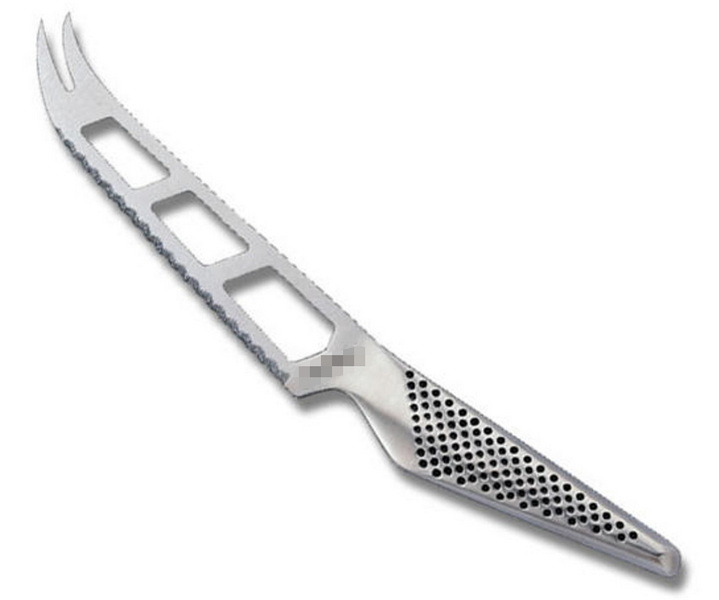
Consumer preferences emphasize versatility in cheese knife types including slicers, cleavers, spreaders, and planes, catering to different cheese textures and presentation needs. Modern buyers increasingly prioritize knives made from premium and sustainable materials, such as high-carbon stainless steel and eco-conscious handles. Additionally, online and mobile commerce platforms dramatically expand market reach and convenience, especially to younger demographics and gourmet enthusiasts.
Maximizing market share and profitability demands continuous product innovation and differentiation:
- Develop an expansive product line that addresses various cheese types and cutting needs, enhancing functionality for both casual users and culinary professionals.
- Prioritize ergonomic and durable handle designs, sharp corrosion-resistant blades, and aesthetic finishes that appeal to design-conscious consumers.
- Integrate sustainable materials and eco-friendly production processes, which resonate strongly with environmentally aware markets in Europe and North America.
- Offer customizable branding, gift sets, and limited edition collections to attract niche buyers in gift, hospitality, and specialty retail sectors.
- Embrace emerging technologies such as smart knives with digital temperature sensors or app integration, targeting tech-savvy culinary enthusiasts and professionals.
A robust marketing framework is critical to drive international growth:
- Leverage social media and influencer partnerships to build brand visibility, deliver educational content, and engage target audiences with compelling storytelling focused on the "Cheese Knife" keyword.
- Create and optimize SEO-rich product descriptions, blogs, tutorials, and videos demonstrating the knives' usage to boost organic search traffic and purchase confidence.
- Implement strategic bundling, promotions, and seasonal or exclusive product launches to induce urgency and repeat buying.
- Diversify sales channels to include e-commerce, gourmet retail stores, kitchenware specialty outlets, and direct-to-consumer platforms for comprehensive market penetration.
Scalable international logistics and customer support are cornerstones for expanding profitability:
- Partner with global logistics and shipping specialists to ensure reliable delivery networks that protect fragile goods during transit while offering timely service.
- Establish regional customer support teams to provide multilingual, culturally aware assistance to buyers, boosting trust and loyalty.
- Develop comprehensive online resources including FAQs, product care guides, and usage videos to enhance the buyer's journey and reduce returns.
- Participate actively in international culinary shows, trade fairs, and kitchenware exhibitions to strengthen brand presence, connect with wholesalers, and enhance bulk ordering.
- Introduce subscription services offering curated cheese knife collections and related accessories to generate predictable recurring revenue while maintaining customer engagement.
- Forge alliances with culinary schools, cheese manufacturers, and food influencers to leverage co-branding opportunities and establish a loyal customer base within gourmet circles.
- Maintain vigilant cost control by diversifying raw material suppliers to mitigate price volatility and optimizing manufacturing workflows to increase efficiency.
- Enhance warranty programs, quality guarantees, and responsive after-sales service to cultivate repeat patronage and positive word-of-mouth.
Sustainability will increasingly shape product development and consumer choice. Eco-friendly materials such as recycled metals, biodegradable handles, and packaging innovations reducing plastic waste will become standard. Smart kitchen technology is poised to disrupt traditional knife design by integrating sensors that measure temperature and freshness or connect to recipe apps, aligning with trends in smart home kitchens. Multifunctional knives designed for diverse food prep tasks will gain traction as consumers demand practicality and value. Staying adaptable and responsive to these evolving demands offers a path to long-term international success.
In summary, maximizing profits in the international cheese knife market hinges on a deep understanding of regional consumer trends, sustained product innovation, strategic marketing, efficient global logistics, and exemplary customer service. Embracing sustainability and emerging smart kitchen trends further positions businesses for success. By integrating these elements into a cohesive business strategy, manufacturers and sellers can capitalize on the expanding global demand for high-quality, stylish, and functional cheese knives.
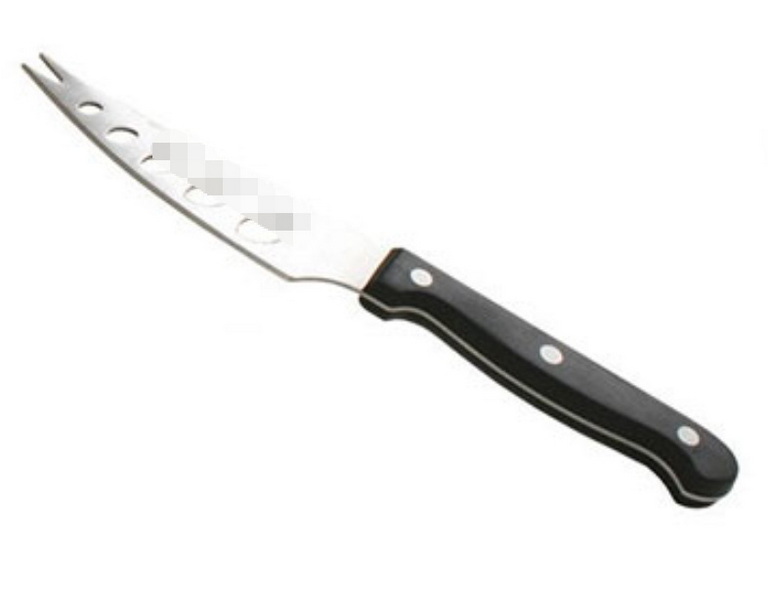
Cheese slicers, cleavers, spreaders, and planes are all popular, each tailored to different cheese textures and serving styles.
It is increasingly important, especially in Europe and North America, where buyers are willing to pay a premium for sustainable materials and ethical manufacturing.
A combination of e-commerce, specialty gourmet stores, social media marketing, and influencer partnerships yields the best results.
Yes, customization through branding and packaging attracts gift buyers and professional customers, enhancing loyalty and margins.
Competition, raw material pricing, evolving consumer preferences, and the need for adaptive marketing strategies are ongoing challenges.


