- All
- Product Name
- Product Keyword
- Product Model
- Product Summary
- Product Description
- Multi Field Search

Views: 222 Author: Ann Publish Time: 2025-11-16 Origin: Site


Content Menu
● 1: Design trends and ergonomics
● 2: Innovations in blade technology and materials
● 3: Materials, cleaning, and durability
● 4: OEM strategy and collaboration with international brands
● 5: Market-ready configurations and use cases
● FAQs
>> 1: What makes a high-quality Pizza Cutter?
>> 2: Are Pizza Cutters dishwasher safe?
>> 3: How to choose the right wheel size for my business?
>> 4: Can Pizza Cutters be customized for brand packaging?
>> 5: What maintenance is required for longevity?
The global appetite for well-designed kitchen tools continues to rise, driven by the expansion of food delivery services, the growth of professional kitchens, and the increasing emphasis on consistency, safety, and user experience. For an OEM kitchenware manufacturer serving foreign brands, wholesalers, and contract manufacturers, staying ahead of Pizza Cutter technology translates into faster prototyping, more compelling product stories, and better alignment with international branding standards. This article surveys the latest innovations in Pizza Cutter technology, with a focus on ergonomic design, materials science, cleaning and maintenance, modularity, and OEM-friendly practices. It also provides practical guidance for selecting components, planning production, and communicating value to global buyers.
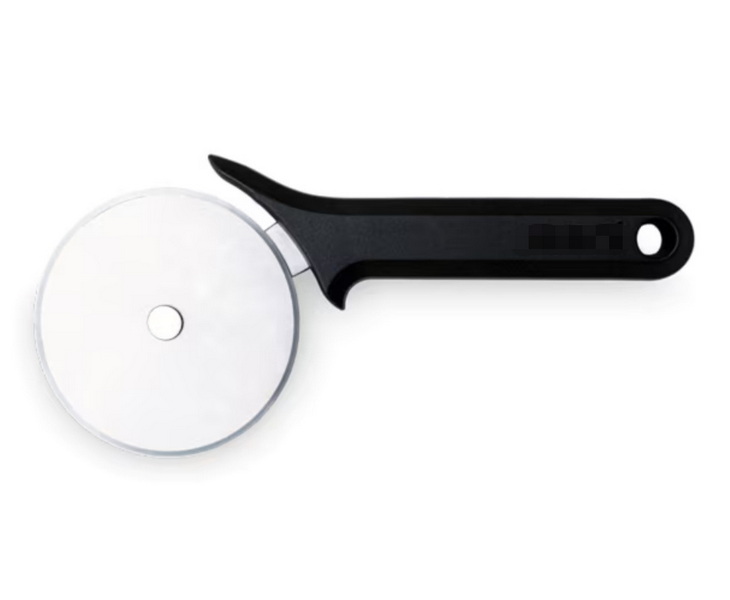
- The demand for Pizza Cutters is driven by high-volume pizzerias, casual dining chains, and home cooks seeking reliable, easy-to-clean tools. This creates a strong incentive for tools that deliver uniform slices with minimal effort and waste. The trend toward online procurement further accelerates access to diverse design options and customization capabilities.
- Key innovation themes include ergonomic handles that reduce fatigue, blade materials that balance sharpness with longevity, non-stick or easy-clean coatings, and modular designs that simplify maintenance and replacement. Safety considerations—such as guarded edges and secure locking mechanisms—also play a pivotal role in product adoption across households and professional kitchens.
- For OEM engagements, the ability to offer brand-differentiating features (custom finishes, logo integration, packaging localization, and region-specific certifications) is a decisive factor in winning international partnerships.
- Ergonomic handles: Modern Pizza Cutters emphasize comfortable grip shapes, balanced weight distribution, and non-slip textures. A well-contoured handle reduces grip pressure and wrist strain during prolonged use, which is crucial in busy kitchens.
- Aesthetic integration: The visual language of a pizza cutter—handle color, surface finish, and logo placement—plays a significant role in brand storytelling. OEM programs benefit from offering a curated palette and branding options that align with customer identity.
- Safety-oriented design: Features such as soft-touch zones near the blade, integrated blade guards when not in use, and locking mechanisms for blade storage mitigate accidental injuries in home and professional settings.
- Multi-function potential: Some designs combine the pizza-cutting function with additional capabilities (e.g., pizza wheel plus bottle opener or blade covers) in modular configurations, enabling retailers to offer value-added variants without full tool reinvention.
- Material choices: Handles are frequently crafted from BPA-free plastics, composite materials, or wrapped in synthetic leather for premium lines. The blade materials balance hardness with corrosion resistance, enabling longer service life in humid kitchen environments.
- OEM implications: Offering a modular ergonomic package that can be easily customized with logos, colorways, and packaging can significantly shorten time-to-market for international customers.
- Blade geometry and cutting performance: The blade's edge geometry, tooth count where applicable, and surface finish influence slicing efficiency and pizza crust integrity. Wheel-type cutters are favored for their consistent straight cuts, but blade geometry must be tuned for gluten-free or thick crusts to maintain performance.
- Materials science: Stainless steel alloys with improved wear resistance and corrosion resistance extend blade life. Some models employ coated blades to reduce food adhesion and simplify cleaning. Suppliers increasingly prioritize dishwasher-safe design without compromising blade integrity.
- Coatings and surface treatments: Non-stick or low-friction coatings minimize cheese and flour buildup, reducing cleaning time and maintaining sharpness. Coatings must be food-safe and durable under repeated wash cycles.
- Hygiene and cleaning: The ability to disassemble blades from handles for thorough cleaning is a major selling point, especially for professional kitchens. Detachable blades and splash-proof housings help meet hygiene standards in various markets.
- Durability under load: In high-throughput settings, the knife wheel must withstand repetitive cutting forces, maintain alignment, and resist corrosion from salt, oils, and acidic ingredients often present in pizza toppings.
- OEM considerations: Providing interchangeable blade options, tested for durability, and offering clear cleaning-as-use guidelines helps buyers evaluate total cost of ownership. Clear tooling and maintenance manuals, along with easy-to-source replacement parts, strengthen long-term partner relationships.
- Core materials: High-grade stainless steels with chromium-nickel content provide corrosion resistance and edge retention. For premium lines, carbon steel blades with protective passivation layers may be offered for sharper edges, though maintenance requirements differ.
- Handles and housings: Polypropylene, ABS, and reinforced composites are common for durability and heat resistance. Premium lines may feature 3D-printed or injection-molded grip patterns designed for tactile feedback and comfort.
- Cleaning considerations: A growing share of Pizza Cutters is marketed as dishwasher-safe, but designs that allow complete disassembly and safe hand-washing can offer broader market appeal. Clear labeling on washing instructions improves user compliance and reduces warranty costs.
- Durability metrics: OEM clients often request stress testing data, corrosion tests, and life-cycle assessments to demonstrate performance under repetitive use and exposure to common kitchen residues.
- Maintenance guidance: Regular inspection of blade sharpness, secure blade-to-hub connection, and locking mechanisms is recommended. Replacement blade sets and compatible spare parts should be readily available to minimize downtime in institutional settings.
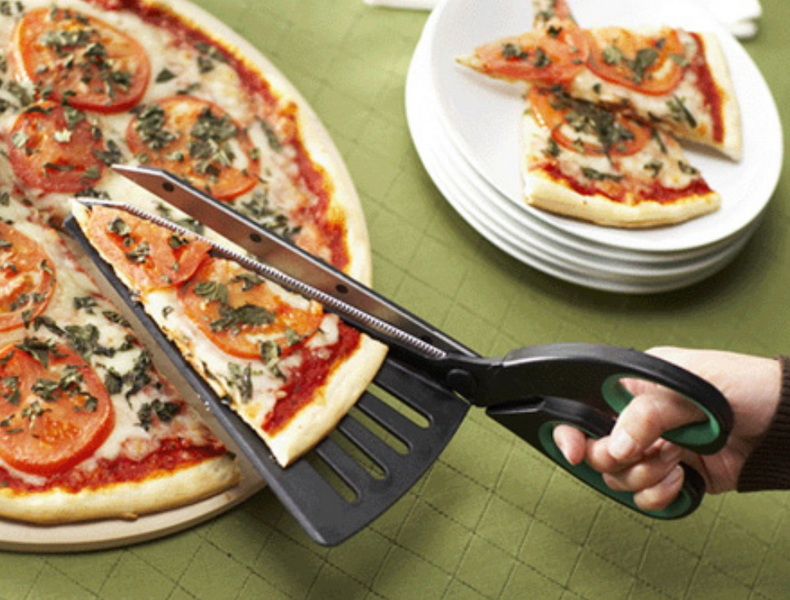
- Customization options: Clients value options for logo embossing, colorways, packaging design, and language-specific manuals. Providing a modular design framework enables rapid adaptation to regional branding while maintaining a consistent core product.
- Prototyping and validation: An efficient pipeline includes design briefs, CAD models, rapid prototyping (e.g., 3D-printed samples), fit-and-function testing, and final field trials. Demonstrating ergonomic benefits and cleaning ease through quantitative metrics strengthens the OEM pitch.
- Compliance and certifications: International buyers look for compliance with safety standards, material declarations, and labeling requirements. Pre-emptively aligning with regional standards (e.g., food-contact regulations) reduces certification lead times.
- Packaging and localization: Packaging must accommodate multilingual labeling, inflation of brand narratives, and regional shipping constraints. Offering ready-to-localize artwork reduces rework and speeds time-to-market.
- Logistics and supply chain: Transparent lead times, scalable manufacturing capacity, and contingency planning (alternative suppliers for critical components) provide confidence to global partners.
- Case framing for brand differentiation: Position the Pizza Cutter as a signature tool within a broader kitchenware suite, emphasizing durability, ease of maintenance, and aesthetic coherence with the brand's product ecosystem.
- Domestic and international applications: Home cooks seek reliable daily-use tools, while restaurants require high-throughput performance and consistent results. Demonstrating the tool's utility across variants—thin crust, thick crust, stuffed crust—helps buyers envision real-world benefits.
- Regional preferences: Design preferences vary by region, with some markets prioritizing color palettes and logo visibility, while others emphasize understated, professional aesthetics. OEM programs should accommodate these preferences without compromising core performance.
- Shelf presence and cross-selling: A Pizza Cutter positioned alongside complementary tools (roller cutter, pastry wheel, dough scraper) can create bundled solutions that improve average order value for retailers.
- Sustainability considerations: Recyclable packaging, durable materials, and minimal waste in production resonate with brands pursuing ESG goals, potentially unlocking partnerships with sustainability-minded retailers.
- Practical marketing language: Emphasize uniform slice quality, reduced preparation time, easy cleaning, and brand-specific design cues to help marketing teams craft compelling product pages.
Innovations in Pizza Cutter technology are shaping a more efficient, safer, and aesthetically versatile class of kitchen tools. Ergonomic designs paired with durable blade materials, easy-clean features, and modular, OEM-friendly architectures enable brands to offer differentiated products with compelling value propositions. For foreign brands, wholesalers, and contract manufacturers, aligning with these innovations means faster development cycles, stronger market resonance, and improved long-term partnerships. By combining ergonomic grip strategies, advanced blade technology, and localized packaging and documentation, an OEM kitchenware partner can deliver Pizza Cutters that perform reliably in diverse settings—from bustling pizzerias to home kitchens worldwide.
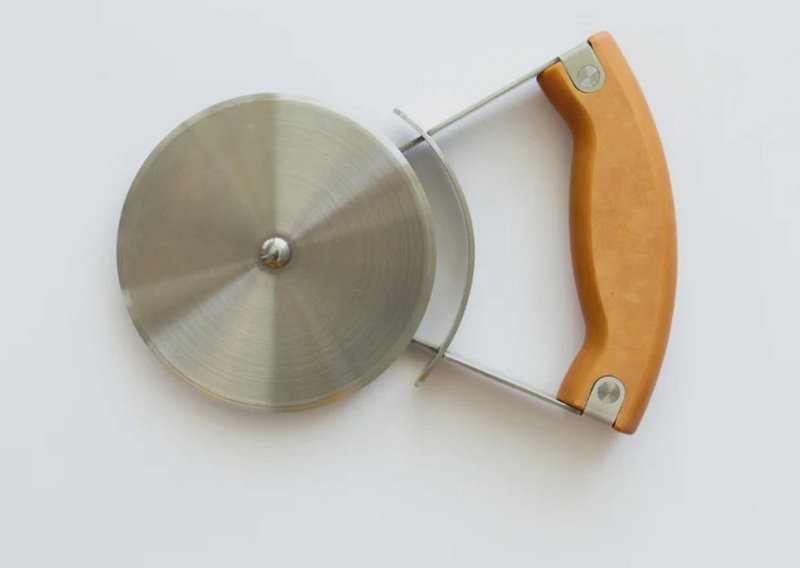
A high-quality Pizza Cutter combines a durable blade with excellent edge retention, ergonomic handling, and easy cleaning. It should meet safety standards for sharp edges and provide reliable performance across crust types.
Many modern models are dishwasher-safe, but it depends on the design. Detachable blades and splash-proof housings enhance washability; always follow the manufacturer's care instructions.
Consider crust thickness, expected throughput, and target pizza size. Larger wheels offer easier cutting for thick crusts but may be less maneuverable in tight spaces; smaller wheels provide precision for delicate crusts.
Yes. Customization commonly includes blade finish, handle color/material, logo placement, and packaging artwork. Localization of manuals and labeling is also available.
Regular cleaning, drying to prevent corrosion, inspection of blade sharpness and hub attachment, and timely replacement of worn parts help maximize lifespan.


