- All
- Product Name
- Product Keyword
- Product Model
- Product Summary
- Product Description
- Multi Field Search

Views: 222 Author: Ann Publish Time: 2025-11-14 Origin: Site


Content Menu
● Why a Commercial Pizza Cutter Matters
● Blade Materials and Longevity
>> Replaceable vs integral blades
● Cutting Geometry and Performance
>> Wheel vs. rocker vs. straight-edge designs
>> Wheel size and edge quality
>> Balance and weight distribution
● Ergonomics, Safety, and Hygiene
>> Safety guards and blades protection
>> Sanitation and food‑safe materials
● Hygiene and Cleaning Efficiency
>> Surface finishes and ease of wipe‑down
● Sizes, Configurations, and Customization
>> Size ranges
>> Configurations for OEM programs
● Maintenance, Spare Parts, and Total Cost of Ownership
>> Warranty and after-sales support
● Integrated Accessories and Value-Added Features
>> Packaging, branding, and education
● Practical Purchasing Guide for Busy Kitchens
>> Evaluate total cost of ownership
>> Assess compliance and certifications
● OEM Opportunities and International Brand Collaborations
>> Quality control and certification readiness
● Case Scenarios: Typical Applications of a Commercial Pizza Cutter
>> High-volume pizza shop or pizzeria
>> Catering and event services
>> Institutional kitchens and schools
● FAQs
>> What materials are best for a durable Pizza Cutter blade?
>> How do I choose the right size Pizza Cutter for a busy kitchen?
>> What maintenance is required to maximize blade life?
>> Are there NSF-certified Pizza Cutters suitable for commercial kitchens?
>> How does OEM customization impact lead times and pricing?
In a high‑volume kitchen, a professional Pizza Cutter is more than a simple cutting tool—it is a workhorse that influences speed, portion consistency, hygiene, and overall food quality. This guide outlines the top features to look for when selecting a commercial Pizza Cutter for brands, distributors, or OEM partnerships. It covers blade materials, cutting geometry, ergonomics, sanitation, sizes, maintenance, and value, with practical buying tips for international collaborations and private‑label opportunities.
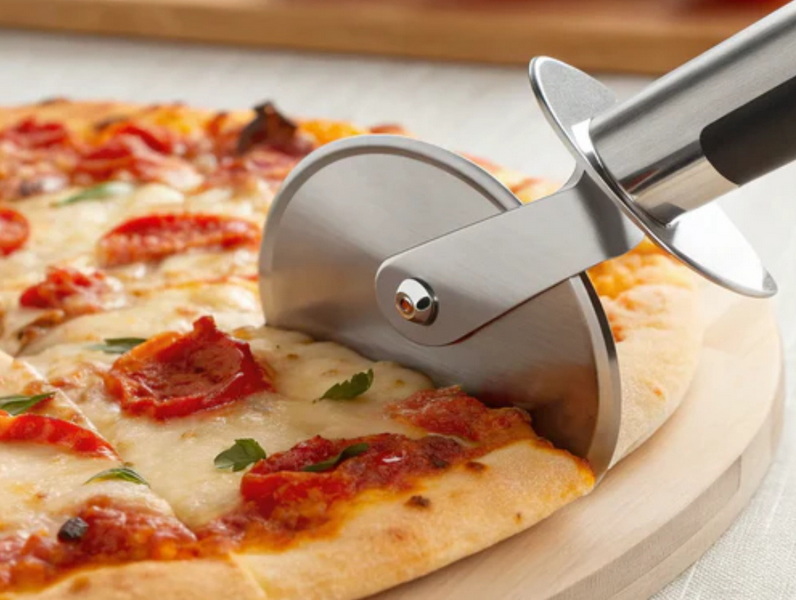
A commercial Pizza Cutter must withstand relentless daily use, deliver precise slices, and be easy to clean and maintain. In busy restaurants, pizzerias, catering operations, and institutional kitchens, a reliable Pizza Cutter contributes to faster service, uniform portioning, and reduced waste. The right model also supports branding goals when supplied through OEM programs, allowing private labels to meet customer expectations for durability, safety, and aesthetics. This section sets the stage for understanding how each feature translates into real-world benefits.
High‑quality Pizza Cutter blades are typically made from hardened stainless steel or alloyed steels with corrosion resistance. A durable blade maintains sharpness longer under constant use and frequent cleaning. Brands often highlight blade composition, heat treatment, and edge retention as key differentiators.
Some commercial models employ non‑stick or ceramic coatings to reduce dough sticking and ease cleanup, while others use polished finishes that resist rust and staining. Each option carries trade‑offs in cost, re-sharpening needs, and food‑safety certification readiness.
Replacing blades can lower total cost of ownership in high‑volume settings and allow customization for different dough types. Alternatively, integrated blades can offer compactness and simplicity but may limit refurbishment options. OEM buyers often weigh these choices against supply chain stability and spare parts availability.
A Pizza Cutter's geometry determines slicing speed, evenness, and user fatigue. Wheel cutters excel for uniform circles; rocker (or rocking) cutters are efficient for large volumes and straight lines on flat surfaces; straight-edge versions suit particular dough textures or specialty tasks. The best choice depends on kitchen workflow and product scale.
Larger wheels enable faster cuts on big pies but can feel heavier; smaller wheels offer precision on delicate crusts. Edge geometry—flat ground, hollow ground, micro-serrated—affects initial sharpness and maintenance intervals. Demonstrations often compare slice uniformity across wheel sizes.
For long service shifts, ergonomic weight balance minimizes hand and wrist strain. OEM programs frequently customize handle shapes and weight profiles to match operator preferences and regional cooking styles.
Ergonomic handles with non-slip materials reduce fatigue and improve control during repetitive cuts. Some models feature textured rubber, soft‑grip composites, or stainless steel shells with ergonomic contours.
Safety features such as blade guards, sheathes, and storage covers protect users during handling and storage, while reducing accidental contact with the cutting edge. These elements are especially important for training environments and OEM packaging.
Commercial environments demand food‑grade materials and surfaces that resist staining, corrosion, and bacterial growth. Detachable parts simplify cleaning and sanitization, and some designs withstand high-temperature dishwashing or sterilization processes.
Detachable blades and removable guards simplify cleaning and reduce drying time—critical for maintaining throughput in busy kitchens. OEM partners often specify cleaning compatibility with commercial dishwasher cycles.
Smooth, non‑porous surfaces minimize dough entrapment and facilitate quick wiping. Some products offer NSF certification or other hygiene standards to reassure buyers about cleanliness and compliance.
Commercial Pizza Cutters come in various wheel diameters and overall footprints to suit different kitchen layouts and pie sizes. Larger rollers may be preferred in pizza shops with high production, while compact options fit compact kitchens or mobile units.
OEM partnerships may offer options such as branded handles, colorways, logo engraving, packaging design, and included accessories (blade guards, cleaning brushes, and storage cases). Aligning product specs with customer branding improves market fit and post‑sale satisfaction.

Blade maintenance schedules and sharpening capabilities influence downtime and costs. Some Pizza Cutters are designed for easy self‑sharpening or simple blade replacement to minimize service interruptions.
A robust supply chain for spare parts—blades, guards, screws, and handles—reduces downtime and supports international customers. OEM buyers often request clear lead times and minimum order quantities for replacements.
Commercial users value warranties that cover mechanical wear, corrosion resistance, and blade performance. Strong after-sales support, training materials, and troubleshooting guides are differentiators in OEM‑oriented partnerships.
Many offerings include dedicated cleaning brushes, protective sheaths, and wall hooks or magnetic holders, enabling faster cleanup cycles and safer storage.
OEM programs can provide customized packaging with care instructions, usage videos, and maintenance manuals. This supports dealer education and end-user confidence in the Pizza Cutter brand.
Establish monthly cutting volume, typical pizza size range, crust thickness, and required throughput. Translate these into blade durability, wheel size, and handle ergonomics requirements.
Consider initial price, spare parts cost, maintenance labor, and expected life cycle. A lower upfront price may incur higher maintenance costs, while a higher upfront investment in a robust OEM model can yield lower long-term costs.
Verify food-safety certifications (such as NSF) and regional regulations that affect manufacturing, packaging, and post‑sale support. Certification can simplify procurement for multinational buyers and licensing partners.
Your China-based factory can offer private-label development, including branded handles, color schemes, logo placement, packaging design, and co-branded marketing materials. Emphasize capabilities in material selection, surface finishes, and supply chain reliability to attract international brands seeking steady OEM partners.
Highlight your QA processes, traceability, and readiness to meet global hygiene standards, which reassures brand buyers and distributors about consistent performance across markets.
Propose scalable production schedules, flexible MOQs, and international shipping options tailored to brand calendars and promotional campaigns. Clear communication on lead times improves partner confidence.
The ideal Pizza Cutter combines a robust wheel, ergonomic grip, and easy-clean design to sustain 500–1000+ slices per shift with consistent results. A rocker model may expedite large‑batch cutting on flat prep tables, while a replaceable blade design minimizes downtime.[8][7]
Compact, lightweight, and easily portable Pizza Cutters with protective covers support rapid setup, safe transport, and quick replenishment of service stations. OEM branding can enhance event‑team visibility.
NSF-certified and dishwasher-safe models prevail, with emphasis on hygiene, reliability, and straightforward maintenance for staff training and compliance.
A well-chosen commercial Pizza Cutter is a strategic asset in high‑volume kitchens and OEM partnerships. By prioritizing blade material quality, cutting geometry, ergonomic design, hygiene, and reliable maintenance, brands can deliver consistent slicing performance, reduce waste, and accelerate service. For international brands and distributors considering private‑label solutions, a capable OEM partner should offer tailored customization, robust supply chains for spare parts, and comprehensive post‑sale support to ensure long-term success in diverse markets.
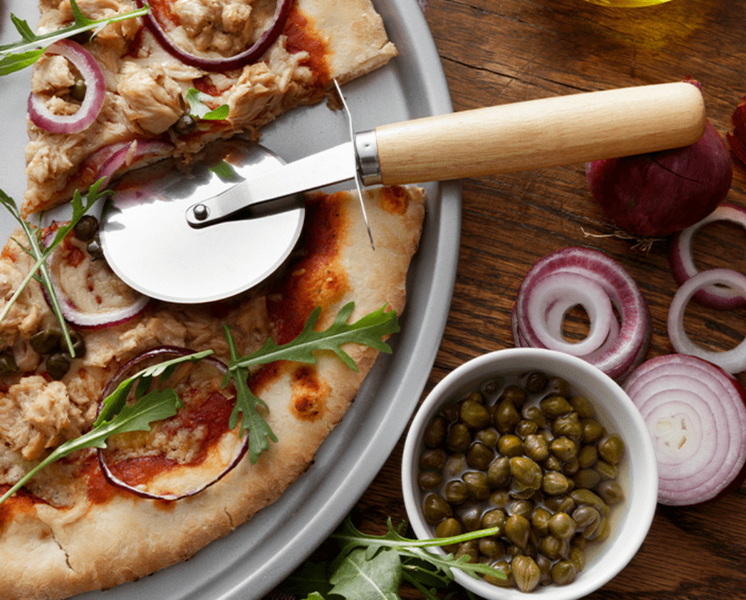
Durable blades typically use hardened stainless steel with corrosion resistance; some models incorporate protective coatings to reduce sticking and extend edge life.
Choose wheel diameter based on average pizza size and cutting speed requirements. Larger wheels cut faster on big pies; smaller wheels offer precision on smaller or thinner crusts.
Regular cleaning, avoiding harsh abrasives, and scheduled blade replacement or sharpening extend life. Detachable blades simplify maintenance in busy environments.
Yes. NSF-certified options exist and are often preferred for institutional and international buyers seeking sanitary performance.
OEM programs can adjust branding, packaging, and component specs, which may affect lead times and unit costs. Transparent planning and clear MOQs help manage expectations.


