- All
- Product Name
- Product Keyword
- Product Model
- Product Summary
- Product Description
- Multi Field Search

Views: 222 Author: Ann Publish Time: 2025-11-28 Origin: Site


Content Menu
● Customization of Household Knife Sets Packaging
>> Packaging Design and Materials
● Packaging Types for Household Knife Sets
>> Retail Counter Display Boxes
>> Gift Boxes with Magnetic Closures or Drawers
>> Blister Packs and Clamshell Packaging
>> Bulk Packaging for Wholesale
● Advanced Packaging Features and Customization
>> Custom Inserts and Compartments
>> Branding and Labeling Innovations
>> Personalization of Knife Blades and Handles
>> Sustainability and Environmental Considerations
● Case Examples in Packaging Customization
● How OEM Clients Collaborate on Packaging
● Expanded Considerations for Packaging Customization
>> Pricing and Cost Efficiency
>> Integrating Customer Feedback
● Frequently Asked Questions About Household Knife Set Packaging
>> 1. What customization options are available for household knife set packaging?
>> 2. How does packaging affect the perceived value of household knife sets?
>> 3. Can OEM clients request low minimum order quantities for custom packaging?
>> 4. Are eco-friendly packaging materials available?
>> 5. How long does the packaging design and production process take?
In the competitive kitchenware market, customized packaging plays a crucial role in differentiating household knife sets and enhancing brand value for OEM clients. Household knife sets not only require high-quality knives but also appealing, functional packaging that resonates with target customers. This article deeply explores diverse packaging options for household knife sets, focusing on customization strategies adapted for OEM clients worldwide, highlighting materials, designs, branding, and logistics.

Packaging design for household knife sets begins with selecting the right materials and finishes to convey product quality and brand ethos. Customized retail boxes made from SBS paperboard or corrugated Kraft cardboard are popular choices, available in thicknesses such as 14pt to 24pt for durability and premium feel. Surface finishing options like matte or glossy lamination, spot UV, embossing, debossing, and hot stamping create tactile appeal and visual interest. For example, embossing a logo on the box or using holographic coatings can elevate shelf presence.
Eco-friendly packaging options are gaining traction, with recycled cardboard and biodegradable foam inserts becoming standard to appeal to environmentally conscious markets. Custom die-cut foam or molded inserts tailored to each knife securely hold the pieces in place and protect blade edges during transit, reflecting care and value. Options like magnetic closures, ribbon ties, or clasp locks add functional elegance.
These boxes are designed for visibility and convenience, often featuring transparent windows to showcase knife handles or blades. Their compact structure is meant for retail shelves or counters, supporting impulse buying or gift purchases. Visual merchandising benefits from custom printed graphics and brand color schemes aligned with the overall product line.
Premium household knife sets frequently use gift boxes with magnetic flap closures or sliding drawer compartments. These boxes offer a luxurious unboxing experience, appealing to higher-end markets or special events such as weddings or corporate gifting. Custom artwork, foil stamping, and reinforced corners enhance durability and aesthetic.
For mid-range knife sets, blister packs or clamshell packaging provide tamper resistance and consumer confidence. Transparent plastic shells enable product inspection while protecting the knives. Printed backing cards often carry product information, care instructions, and branding in this cost-effective packaging.
When OEM clients supply wholesale buyers or distributors, bulk packaging with heavy-duty corrugated cartons is common. Sets are packed with cushioning inserts to prevent damage during shipping and handling. These cartons feature clear branding and product labeling for easy identification through the supply chain.
Modern equipment allows manufacturing knife set boxes in varied shapes and dimensions, meeting OEM clients' specific needs. Some brands implement unique packaging geometries to stand out, such as hinged boxes or trapezoidal shapes, providing visual differentiation.
Beyond standard foam inserts, some packaging includes compartments for accessories like sharpeners, cutting boards, or recipe booklets. Customized trays hold miscellaneous kitchen utensils alongside knives for convenience and added value.
High-resolution digital printing technology enables vibrant color reproduction and fine detail on packaging surfaces. Incorporating QR codes linking to online product demos, care videos, or brand stories enhances customer engagement post-purchase.
Some OEM clients offer individualized engraving or laser etching on blades and handles, adding monograms, logos, or custom artwork. Packaging then complements this exclusivity with matching personalized boxes and certificates of authenticity.
Sustainable practices influence packaging choices extensively. Beyond materials, some manufacturers reduce packaging size to minimize waste, incorporate reusable packaging elements, or print with soy-based inks to lower environmental impact. These initiatives resonate well in markets valuing green consumerism.
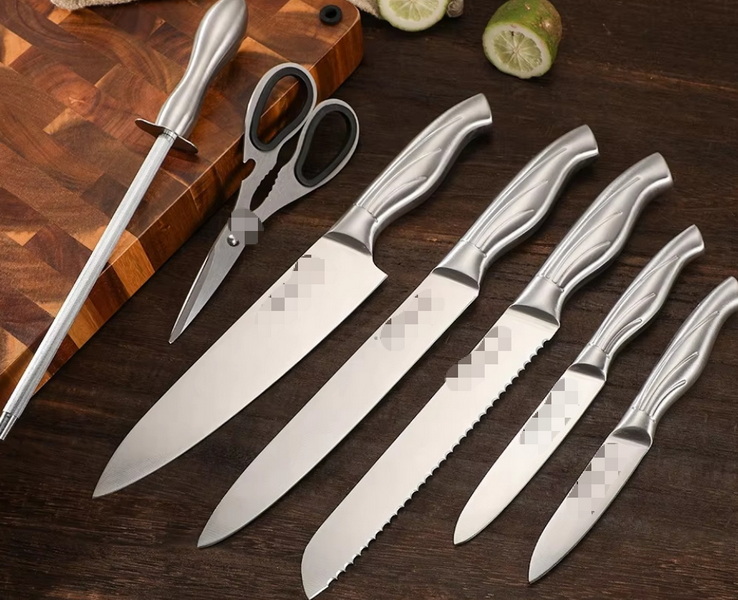
One manufacturer offers no-minimum custom kitchen knife boxes in diverse styles with free design services and fast turnaround, incorporating bespoke shapes, UV coatings, ribbons, and die-cut windows. This flexibility accommodates OEM clients targeting various market segments, from gift packaging to environmentally friendly options with recycled paperboard. Another brand emphasizes personalized engraved knives paired with elegant packaging, making the unboxing experience part of the product's appeal—for occasions like weddings or housewarmings.
Drawer-style wooden knife boxes with vintage, rustic finishes and custom engravings are trending, adding warmth and personality to household knife sets. These boxes often have customizable compartments and non-slip interiors to securely store knives and other utensils. Such packaging blends utility with aesthetics, increasing the perceived product value.
The packaging customization process typically starts with OEM clients sharing brand guidelines, target market insights, and functional requirements with the manufacturer's design team. Collaborative design iterations ensue, producing 3D mockups and physical prototypes. Adjustments address aesthetics, protection, cost, and shipping logistics. Final packaging samples are approved for mass production only after satisfying client expectations for look, feel, and durability.
Packaging production timelines may range from 4 to 8 weeks depending on complexity and volume. Minimum order quantities vary, with some manufacturers offering low MOQs to support smaller brands or test marketing campaigns.
Packaging must withstand multiple shipping stages without damage, necessitating robust materials and secure internal fittings. OEM manufacturers often conduct drop tests or transit simulations to validate design.
Packaging designs must comply with regional labeling laws, safety warnings, and environmental regulations. OEM clients must consider import standards, including recyclable material certifications.
Balancing quality and cost is imperative. Strategic use of print finishes and inserts can manage costs while maintaining premium impressions. Bulk order discounts and selecting local manufacturing reduce expenses.
Feedback from retailers and end consumers informs ongoing packaging improvements. Trends such as minimalism, sustainability, or multifunctionality guide iterations.
Customized packaging for household knife sets is a strategic asset for OEM clients looking to elevate brand identity and market competitiveness. A comprehensive approach encompassing material choice, design innovation, functional protection, and sustainability aligns packaging with evolving consumer expectations. By partnering closely with manufacturers throughout design and production, OEM clients can deliver household knife sets that captivate buyers from first sight to unboxing, solidifying brand loyalty and driving sales globally.
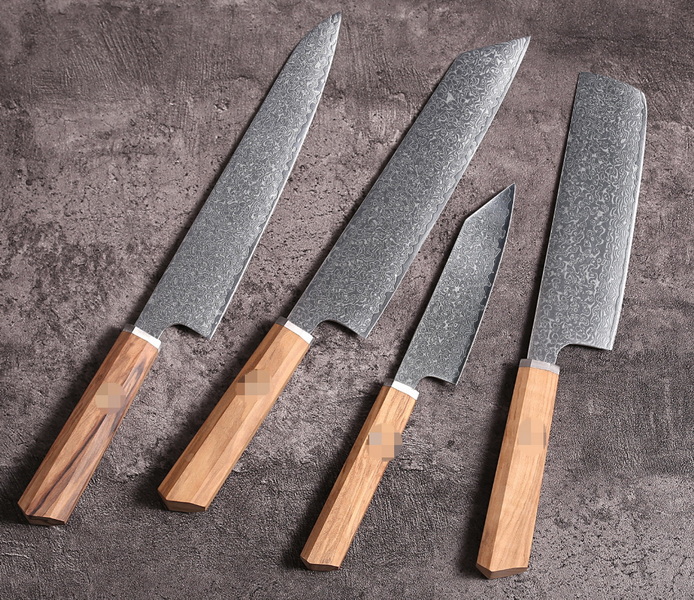
Options include varied box types (gift, retail, bulk), materials (eco-friendly and luxury), surface finishes (lamination, embossing), inserts (foam, compartments), branding (logos, colors, QR codes), and functional elements like magnetic closures.
Packaging significantly influences customer perception by enhancing product appeal, signaling quality, protecting contents, and delivering memorable unboxing experiences.
Yes, many manufacturers support low MOQs, enabling clients to prototype packaging and test market response before committing to large volumes.
Sustainable materials like recycled cardboard, biodegradable foam, and soy-based inks are widely available to meet environmental and regulatory demands.
The process generally spans 4 to 8 weeks, including design iteration, prototyping, approval, and manufacturing depending on order size and customization complexity.


