- All
- Product Name
- Product Keyword
- Product Model
- Product Summary
- Product Description
- Multi Field Search

Views: 299 Author: SAAFI-Kitty Publish Time: 2025-07-10 Origin: Site


Content Menu
● Why Cleaning Your Knife Block is Important
>> Extending the Life of Your Knives
>> Maintaining Aesthetic Appeal
● Materials Needed for Cleaning
● Step-by-Step Guide to Cleaning a Knife Block
>> Step 6: Dry the Knife Block
● Additional Tips for Maintaining Your Knife Block
>> 1. How often should I clean my knife block?
>> 2. Can I use bleach to clean my knife block?
>> 3. What should I do if my knife block has mold?
>> 4. Is it safe to put my knife block in the dishwasher?
>> 5. How can I prevent my knife block from getting dirty?
Keeping your knife block clean is essential for maintaining hygiene in your kitchen. Over time, knife blocks can accumulate dust, crumbs, and bacteria, which can affect the quality of your knives and your food preparation. This comprehensive guide will walk you through the steps to effectively clean your knife block, ensuring it remains a safe and functional part of your kitchen.
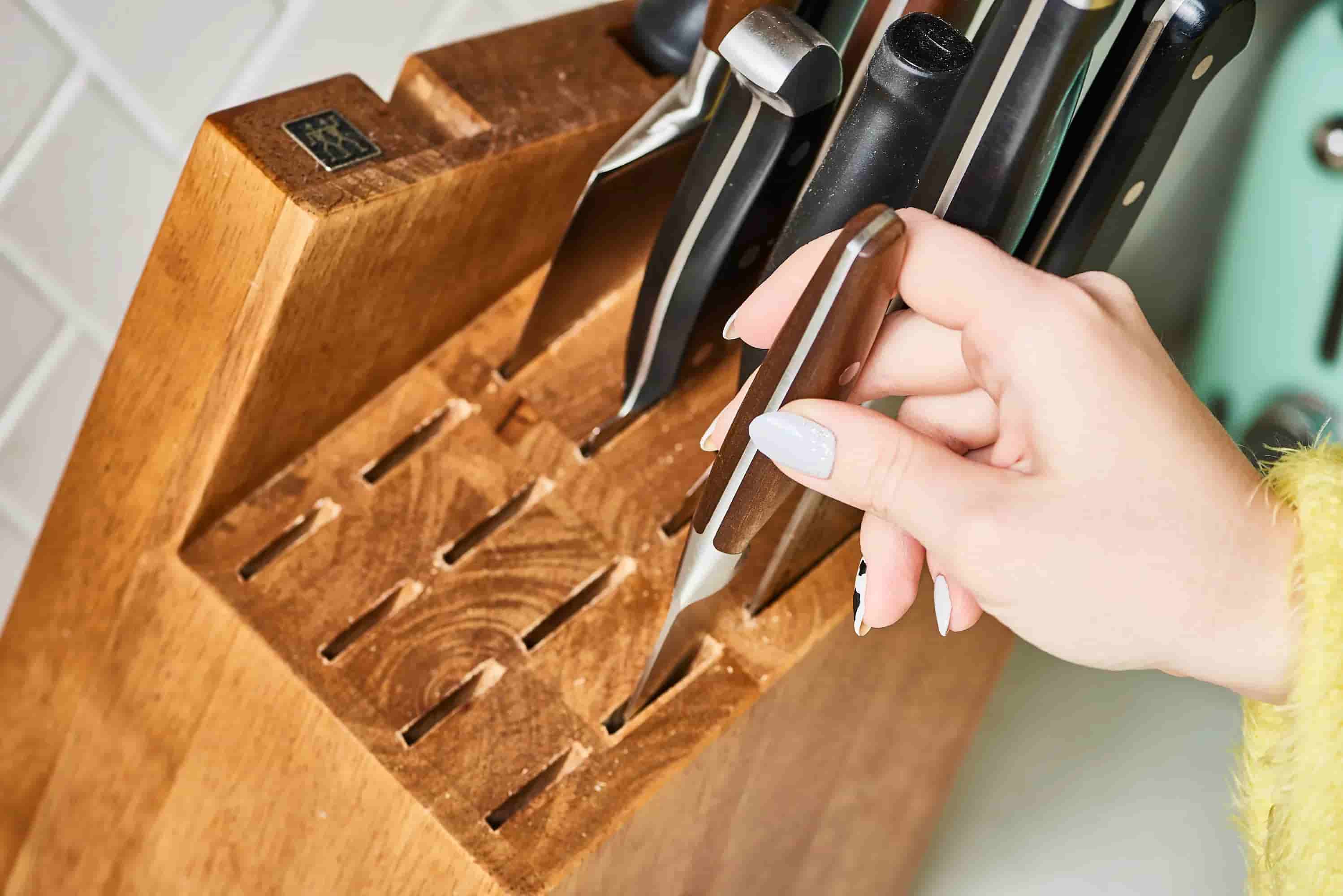
Knife blocks can harbor bacteria if not cleaned regularly. Food particles and moisture can create an environment conducive to bacterial growth, which can transfer to your knives and food.
A clean knife block helps maintain the integrity of your knives. Dirt and debris can dull the blades and cause damage over time.
A clean knife block looks better on your countertop. Regular cleaning helps maintain its appearance and prevents unsightly stains or odors.
Before you start cleaning your knife block, gather the following materials:
- Mild dish soap
- Warm water
- Soft sponge or cloth
- Pipe cleaner or bottle brush
- White vinegar or bleach (for sanitizing)
- Dry towel
Start by carefully removing all knives from the block. This allows you to clean the block thoroughly without any obstructions.

Turn the knife block upside down and gently shake it to dislodge any crumbs or debris that may have fallen into the slots. You can also tap the bottom lightly to help remove stubborn particles.
Using a soft sponge or cloth, wipe down the exterior of the knife block with a mixture of warm water and mild dish soap. Avoid soaking the block, as excess moisture can damage the wood.
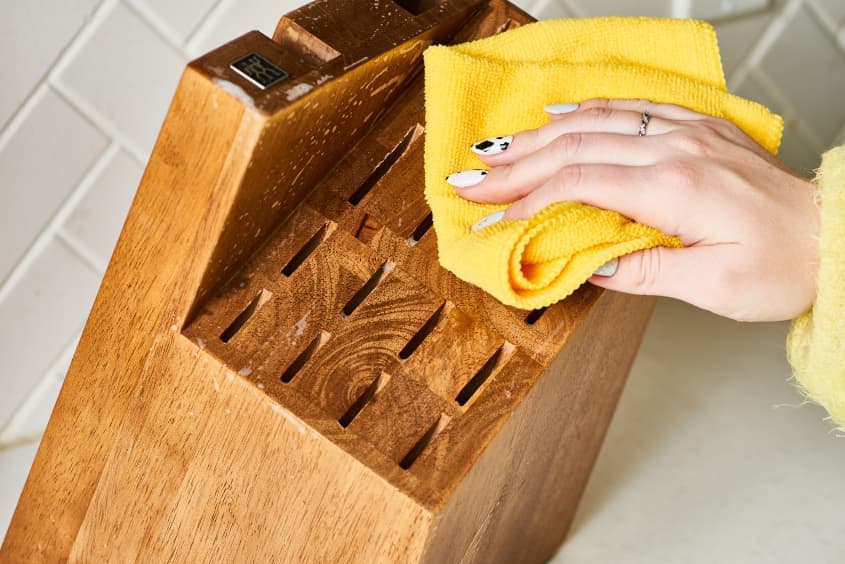
To clean the slots, use a pipe cleaner or a bottle brush. Dip it in the soapy water and scrub each slot thoroughly to remove any trapped debris.
After cleaning, rinse the knife block with a damp cloth to remove any soap residue. For sanitizing, you can use a solution of white vinegar or a diluted bleach solution. Apply it to the block and let it sit for a few minutes before rinsing again.
Pat the knife block dry with a clean towel and allow it to air dry completely before reinserting the knives. This step is crucial to prevent moisture buildup, which can lead to mold.
Establish a regular cleaning schedule for your knife block. Depending on usage, aim to clean it every few weeks to maintain hygiene.
Never immerse your knife block in water or place it in the dishwasher. Excess moisture can warp the wood and promote bacterial growth.
Regularly inspect your knife block for any signs of damage or wear. If you notice cracks or mold, it may be time to replace it.
Always ensure that knives are clean and dry before placing them back in the block. This practice helps prevent moisture buildup and prolongs the life of both the knives and the block.
It is recommended to clean your knife block every few weeks, especially if you use your knives frequently.
Yes, you can use a diluted bleach solution to sanitize your knife block, but be sure to rinse it thoroughly afterward to avoid any residue.
If you find mold, clean the block with a mixture of vinegar and baking soda, then rinse and dry it thoroughly.
No, you should never put a wooden knife block in the dishwasher as it can warp and damage the wood.
To prevent dirt buildup, always store clean and dry knives in the block and keep the block in a dry, well-ventilated area.
Cleaning your knife block is a simple yet essential task that contributes to kitchen hygiene and the longevity of your knives. By following the steps outlined in this guide, you can ensure that your knife block remains clean and functional. Regular maintenance will not only keep your kitchen looking great but also enhance your cooking experience.


