
Views: 222 Author: Ann Publish Time: 2025-10-17 Origin: Site


Content Menu
>> Variants of Damascus Knives
● Blade Construction and Steel Quality
● Weight and Handling Differences
>> Ergonomics
>> Damascus Knife Maintenance Tips
● Cultural and Regional Preferences
● Can You Use a Cleaver and Damascus Knife Together?
>> 1. What makes Damascus knives special?
>> 2. Can a cleaver be used for delicate cutting?
>> 3. How do I maintain a Damascus knife?
>> 4. Is a cleaver suitable for home kitchens?
>> 5. Are Damascus knives more expensive?
When it comes to kitchen knives, the choice between a cleaver and a Damascus knife can significantly impact your cooking experience. Both knives have unique features, purposes, and craftsmanship. Understanding their differences will help you pick the best tool for your culinary needs.

A cleaver is a large, heavy knife characterized by a wide rectangular blade. It is traditionally used for chopping through bones, tough meat, and hard vegetables.
- Blade Size & Weight: The broad, thick blade provides the necessary force to cut through dense foods.
- Material: Usually made of stainless steel or carbon steel for durability and easy maintenance.
- Handle: Typically sturdy and ergonomic to withstand heavy chopping motions.
- Splitting meat and bones with ease.
- Crushing garlic or ginger by using the flat side of the blade.
- Chopping large vegetables, such as squashes or cabbages.
- Slicing through thick-skinned fruits like melons.
- Chinese Cleaver: Thinner compared to Western-style cleavers. It can be used both for slicing and chopping.
- Heavy-Duty Western Cleaver: Much thicker and heavier, designed mainly for butchering tasks.
- Vegetable Cleaver: Lighter with a thinner blade for finely slicing vegetables.
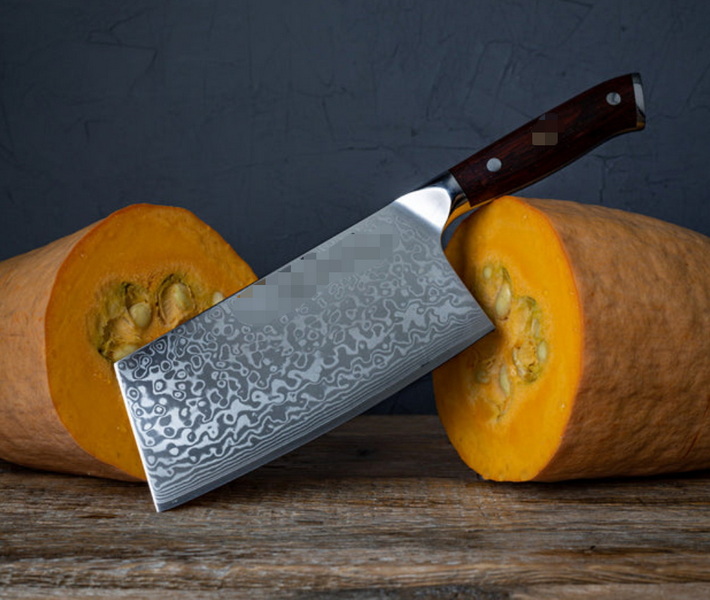
The term "Damascus knife" refers to knives made using Damascus steel, which is famous for its distinctive wavy or watery patterns on the blade resulting from the forging process.
- Blade Material: Created by layering different types of steel and forging them together. This layering process gives Damascus steel its strength, sharpness, and flexibility.
- Aesthetic Appeal: The intricate patterns are unique to each blade, making every Damascus knife a work of art.
- Blade Hardness: Generally harder than standard stainless steel knives, allowing a sharper edge.
- Handle: Crafted for balance and comfort; materials often include wood, micarta, or G10.
- Precision cutting, slicing fruits, vegetables, and boneless meats.
- Chef's everyday knife for versatile kitchen tasks, from dicing onions to filleting fish.
- Ideal for detailed culinary work requiring sharpness and control.
- Chef Knives: Versatile for general kitchen use.
- Santoku Knives: A Japanese style with a slightly shorter blade, great for slicing and chopping.
- Paring Knives: Smaller knives for detailed work like peeling and trimming.
The biggest difference between cleavers and Damascus knives lies in blade construction and materials.
- Cleavers are mostly made from a single piece of thick steel, sometimes carbon or stainless, optimized for toughness and durability.
- Damascus knives use the layered forging technique combining hard and soft steels, resulting in a blade that is both hard and flexible.
The layered structure makes Damascus knives less prone to chipping, and the steel composition allows a sharper and longer-lasting edge, but they require more maintenance to prevent corrosion.
- Cleavers are heavy, weighing anywhere from 12 to 20 ounces or more. Their weight allows them to cut through bones effectively by using the blade's momentum.
- Damascus knives are much lighter and balanced for long periods of use without fatigued wrists. They provide precision rather than power.
- Cleaver handles are often larger and thicker to accommodate the heavy strikes.
- Damascus knives come with ergonomic handles designed for comfort and precise control.
| Feature | Cleaver | Damascus Knife |
|---|---|---|
| Cutting Power | Extremely powerful for bones and tough cuts | Excellent for delicate and precise slicing |
| Sharpness | Moderate, with thick edge | Very sharp, can be sharpened finely |
| Versatility | Limited to heavy chopping | Highly versatile for many kitchen tasks |
| Maintenance | Low, stainless steel easy to clean | Higher, requires careful maintenance |
| Durability | Very durable, resists damage from hard impacts | Durable but requires careful handling |
- Cleaver: Best for butchering large cuts of meat, chopping bones, and smashing ingredients.
- Damascus Knife: Ideal for slicing fruits and vegetables neatly, filleting fish, and fine chopping.
Proper care affects the longevity of both knives.
- Usually made of stainless or carbon steel that tolerates rough use.
- Can be lightly sharpened with standard knife sharpeners.
- Requires occasional oiling if made from carbon steel to prevent rust.
- Must be hand washed and dried immediately to maintain blade quality.
- Sharpened using whetstones or professional sharpening tools to preserve the layered steel structure.
- Periodic oiling helps prevent oxidation.
- Avoid cutting hard items like bones which can chip the fine edge.
- Cleavers are utilitarian tools designed for function over form but can look robust and impressive.
- Damascus knives are prized for their artistic blade patterns and craftsmanship, often serving as collector's pieces or luxury kitchen tools.
- Cleavers are generally affordable, with prices varying by brand and material but mostly accessible to home cooks and professionals alike.
- Damascus knives tend to be more expensive due to the complex forging process and premium materials involved.
- Cleavers are more commonly found in Asian cuisine, especially in Chinese cooking, where the cleaver (or "Chinese chef's knife") is a versatile tool.
- Damascus knives have roots in Middle Eastern and Japanese tradition, but modern Damascus knives are sought worldwide for both functional and decorative purposes.
Many professional kitchens have both types. The cleaver tackles the heavy-duty, rough chopping tasks, whereas the Damascus knife excels in delicate work. This combo covers a wide variety of kitchen needs efficiently.
Both cleaver and Damascus knives have their unique strengths. If your cooking involves butchering or chopping bones regularly, a cleaver is invaluable due to its strength and weight. For precision slicing, delicate cuts, and culinary artistry, the Damascus knife stands out with its sharpness, beauty, and balance.
Choosing the right knife ultimately depends on your cooking style, preferences, and the types of food you prepare. Many cooks and professionals keep both in their kitchens, using them for their distinct advantages.
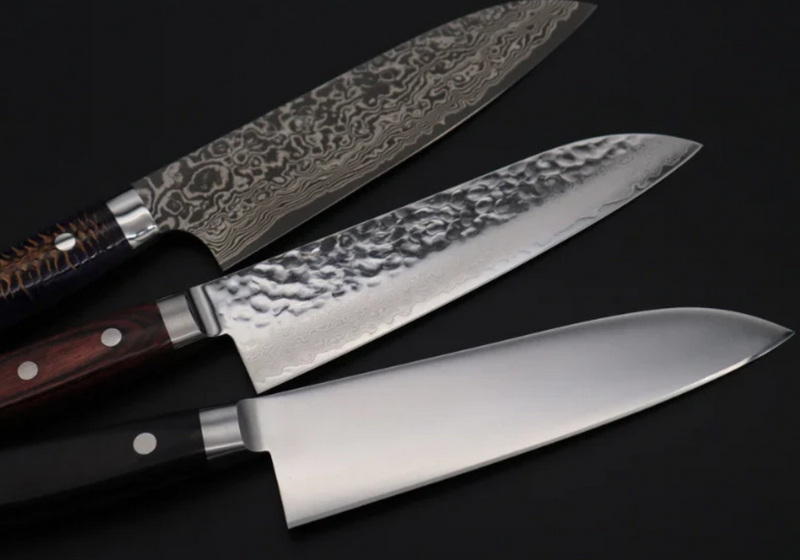
Damascus knives feature a unique layered steel construction that provides superior sharpness, edge retention, and beautiful blade patterns.
Not ideally; cleavers are heavy tools best suited for chopping bones and large, tough ingredients rather than fine slicing or precision work.
Hand wash it, dry immediately, sharpen regularly with proper tools, and oil the blade occasionally to prevent rust.
Yes, especially for home cooks who prepare meat or need a multi-purpose chopping tool.
Generally, yes, due to their handcrafted nature and the complex forging process involved in making Damascus steel.


