- All
- Product Name
- Product Keyword
- Product Model
- Product Summary
- Product Description
- Multi Field Search

Views: 222 Author: Ann Publish Time: 2025-11-24 Origin: Site


Content Menu
● History and Evolution of Cheese Knives
● Traditional Cheese Knife Design
● Design Features and Functionality
>> Traditional cheese knives emphasize multipurpose utility with features such as:
>> Modern cheese knives incorporate specialized design aspects such as:
● Cultural Significance and Usage Trends
● Integration with Cheese Boards and Accessories
>> 1. What cheeses are best cut with traditional cheese knives?
>> 2. Can modern cheese knives cut hard cheeses effectively?
>> 3. Are cheese knives dishwasher safe?
>> 4. What materials are commonly used in cheese knife handles?
>> 5. What features reduce cheese sticking on knife blades?
Cheese knives are indispensable tools for cheese enthusiasts, designed to handle the unique textures and presentation challenges posed by various types of cheese. Over the years, cheese knife designs have evolved significantly, transitioning from traditional styles that focus primarily on classic functionalities to modern innovations that blend aesthetics with enhanced ergonomics and specialized features. This comprehensive article compares traditional and modern cheese knife designs, detailing their history, materials, design features, usability, and cultural significance. It aims to help readers understand the unique attributes of each style and make informed choices when selecting cheese knives.

The history of cheese knives began with simple blades designed to cut through different cheese textures without damaging the product. Traditional cheese knives became popular in the mid-20th century, with designs focused on preventing cheese from sticking to the blade and ensuring neat slices. One notable development was during the 1940s when Harold Fairchild, a WWII engineer, invented a specialized knife to cut soft cheeses like Velveeta without sticking. Although initially a personal invention, this design eventually influenced broader production years later.
The evolution also includes the Scandinavian cheese slicer, invented in Norway by Thor Bjørklund in 1925. Bjørklund adapted the carpenter's plane to create the cheese slicer, resulting in a tool widely embraced in Nordic countries and the Netherlands for slicing semi-hard cheeses. Over time, companies such as BOSKA and others have expanded the offerings for cheese tools, including various knife styles, slicers, and accessories, often marrying traditional craftsmanship with contemporary design trends.
Traditional cheese knives typically feature long, wide blades with holes or perforations designed to reduce surface area contact and prevent soft cheeses from sticking. The blade is usually made of high-carbon stainless steel, ensuring durability and sharpness for cutting through soft to semi-firm cheeses such as Brie, Camembert, and Havarti without crushing them. The handles tend to be made from classic materials like thermoresin, wood, or metal, designed for comfortable grip during use.
These knives often include multipurpose features, such as a pointed tip or prongs for picking up slices or breaking chunks from larger wheels. The hallmark of traditional cheese knives is their versatility and timeless aesthetic, making them a staple in formal dining and cheese boards. The ergonomic simplicity ensures that users can handle a variety of cheeses with a single tool, which is why many chefs and cheese connoisseurs prefer traditional designs for general use.
Modern cheese knives reflect advances in materials and ergonomic design, frequently aimed at addressing the specialized needs of different cheese types. They often feature shorter, more agile blades with unique geometry, combining slicing and chipping capabilities in one knife. Blade materials include advanced stainless steel alloys, often enhanced with coatings to prevent adhesion and corrosion.
Handle designs in modern cheese knives utilize a wide range of materials such as sustainable wood, resin composites, silicone, and metals with non-slip coatings. Ergonomics are enhanced through balanced weight distribution and contouring that reduce hand fatigue, promoting prolonged use without discomfort. Modern designs may also include magnetic or detachable features for convenience and storage efficiency.
Many modern sets include knives tailored for specific cheeses: a soft cheese knife with holes, a hard cheese chisel knife, a cheese cleaver, and specialty tools for blue cheeses. This specialization supports precise cutting and optimal cheese presentation, adding to the artistry of cheese serving. Moreover, modern knives often emphasize stylish, minimalist aesthetics to complement contemporary kitchen and dining spaces.
The difference in materials between traditional and modern cheese knives is noteworthy. Traditional knives commonly use high-carbon stainless steel for blades due to its sharpness, durability, and corrosion resistance. Handles are often made from thermoresin or polished wood, which provide a classic look and comfortable grip. These materials are durable but can sometimes be less resistant to modern dishwasher standards unless hand-washed.
Modern knives, on the other hand, incorporate cutting-edge materials like powder-coated stainless steel, ceramic composites, and anti-stick blade treatments which improve performance and maintenance. Handles may include ergonomic silicone grips or eco-friendly materials, reflecting contemporary values of sustainability and user comfort. Additionally, many modern designs employ precision engineering to perfect blade thickness and edge angles, optimizing cutting performance for diverse cheese varieties.
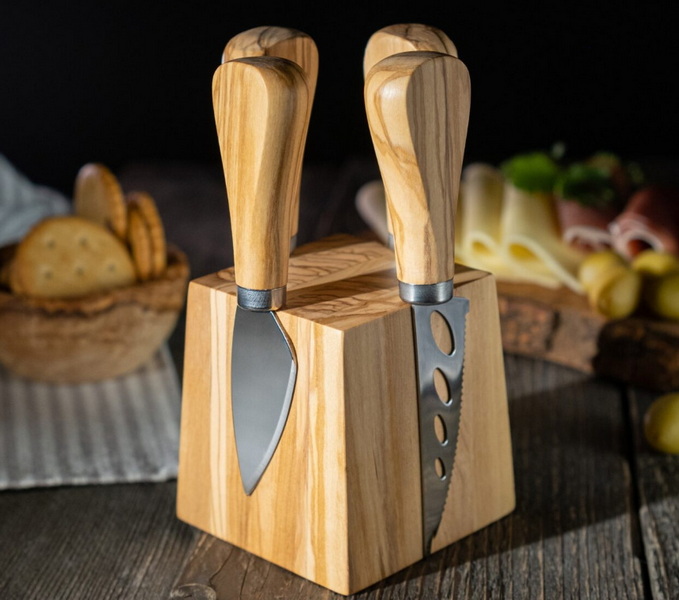
- Blade holes to reduce cheese adhesion
- Pointed tips for spearing cheese chunks
- Wide blades to support soft cheese slices
These features make traditional knives suitable for a wide range of cheeses but primarily soft and semi-firm types.
- Short, sharp blades for controlled slicing and dicing
- Textured or perforated surfaces to prevent sticking
- Weighted handles and balanced design for effortless use
- Modular knife sets for specific cheese types (soft, hard, blue)
- Innovative blade coatings for clean cuts
This targeted design improves user experience and cheese presentation by enabling precise cuts tailored to cheese hardness and texture.
Traditional cheese knives hold cultural associations with classic European cheese-serving traditions, often featured in festive gatherings, wine pairings, and gourmet cheese boards. They symbolize heritage and craftsmanship, appealing to users who value nostalgic and multifunctional tools.
Modern cheese knives, often embraced by younger consumers and design enthusiasts, reflect trends toward culinary specialization and stylish kitchenware. The rise of cheese as a gourmet staple in home cooking and entertaining has prompted demand for knives that blend functionality with visual appeal. Modern designs support niche cheese preferences and encourage creativity in cheese serving techniques.
Traditional cheese knives, with their classic materials, generally require manual cleaning to preserve blade sharpness and handle quality. The solid construction endures frequent use; however, prolonged exposure to moisture or dishwasher detergents may degrade wooden handles or cause blade tarnish.
Modern knives often feature materials and finishes designed for easier maintenance, including dishwasher-safe components, rust-resistant coatings, and antimicrobial surfaces. These enhancements extend tool longevity and reduce care requirements, especially for busy kitchens and professional environments.
Both traditional and modern cheese knives are often sold as part of cheese board sets, including cutting boards, cheese forks, spreaders, and storage trays. Traditional sets usually emphasize wood and classic styling, complementing rustic and elegant table aesthetics.
Modern sets tend toward sleek, compact designs with multifunctional tools, integrating magnetic closures, stackable storage, and innovative presentation features. This integration appeals to minimalist and contemporary consumers seeking convenience and aesthetic coherence in their kitchenware.
Selecting between traditional and modern cheese knife designs hinges on user preferences, cheese types, and presentation style. Traditional knives offer versatile, time-tested designs ideal for soft and semi-firm cheeses with classic aesthetics and solid performance. Modern knives bring precision, specialized functionality, and ergonomic innovations suited for a wider range of cheeses, especially hard and aged varieties, while complementing modern kitchen decor. Understanding these distinctions empowers consumers, chefs, and cheese aficionados to enrich their cheese experience uniquely.
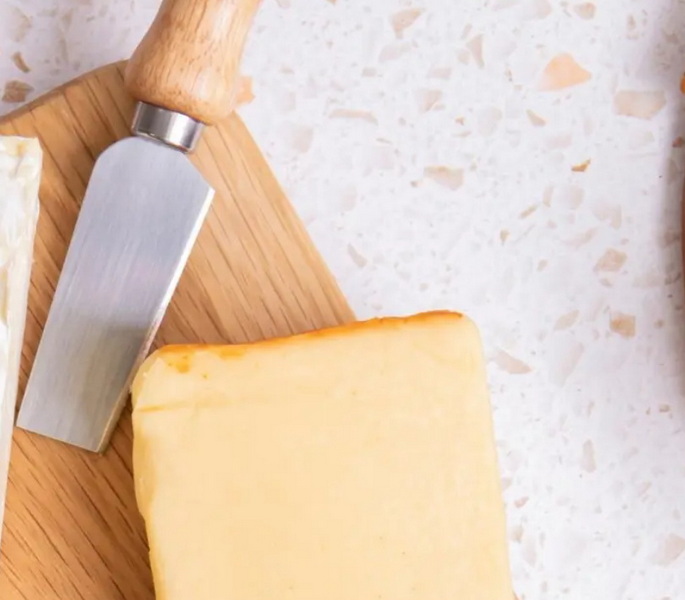
Traditional knives excel at slicing soft and semi-firm cheeses like Brie, Camembert, and Havarti due to their perforated blades and wide slicing surface.
Yes, modern cheese knives often include specialized blades and geometry designed to handle hard and aged cheeses like Parmesan and aged cheddar with ease.
It depends on the knife's material and manufacturer. Many traditional knives require hand washing to maintain blade and handle longevity, while some modern knives are designed to be dishwasher safe.
Traditional knives use materials such as thermoresin, polished wood, or metal. Modern knives employ ergonomic materials like silicone, resin composites, or eco-friendly woods.
Perforations, holes, and textured or coated blade surfaces help reduce cheese adhesion, facilitating cleaner cuts and easier serving.


