- All
- Product Name
- Product Keyword
- Product Model
- Product Summary
- Product Description
- Multi Field Search

Views: 222 Author: Ann Publish Time: 2025-10-10 Origin: Site


Content Menu
● Types of Professional Butcher Knives
>> 1. Traditional Butcher Knife
>> 2. Cleaver
● Key Features of Professional Butcher Knives
>> Blade Material and Construction
● Selecting the Right Butcher Knife for Your Meat Shop or Restaurant
● Maintaining Butcher Knives for Optimal Performance
● Safety Practices When Using Butcher Knives
● Enhancing Efficiency with Butcher Knife Sets
● Innovations in Butcher Knife Technology
● Integrating Butcher Knives in Commercial Kitchens
>> 1. What distinguishes a butcher knife from other kitchen knives?
>> 2. How often should professional butcher knives be sharpened?
>> 3. Can butcher knives be used for non-meat tasks?
>> 4. Are there specialized knives for different kinds of meat?
>> 5. What is the best way to store butcher knives safely?
Butcher knives are indispensable tools in meat shops and restaurants where meat preparation is a daily task. These knives are specifically designed to handle large cuts of meat with precision and efficiency, making the process of breaking down carcasses and preparing portions easier and safer.

A butcher knife is typically characterized by its large, heavy-duty, curved blade, which ranges from 6 to 14 inches. Unlike common kitchen knives, butcher knives are designed for robust cutting tasks like chopping through meat, fat, and bones. The curved blade facilitates a rocking motion that aids in efficient slicing and carving. The strength and sharpness of the blade are critical to clean cuts without causing damage to the meat tissue.
Various types of butcher knives cater to different meat processing needs. Understanding these types helps meat shops and restaurants optimize their toolkits for efficiency.
The traditional butcher knife features a long, curved blade that excels in cutting large sections of meat and trimming fat. Its versatility allows butchers to perform multiple tasks with a single knife, from slicing to breaking down larger pieces.
Known for its thick and broad blade, the cleaver is the go-to knife for chopping through bones and dense meat portions. The weight of the cleaver adds force to cuts, making it ideal for heavy-duty tasks in meat shops.
Boning knives have a thin, flexible blade designed to separate meat cleanly from bones and cartilage. Their precision makes them essential for tasks that require detailed trimming, such as poultry and fish preparation.
Smaller than the traditional butcher knife but similarly shaped, breaking knives are specialized for cutting through tough connective tissues. They provide control needed to break down large meat sections effectively.
Other specialty butcher knives may include fillet knives, skinning knives, and scissors, each serving specific purposes in meat and seafood processing.
Professional butcher knives are commonly made from high-carbon stainless steel, combining strength, sharpness, and corrosion resistance. This material ensures the blade remains sharp longer and resists rusting in the moist, demanding environment of meat preparation.
The shape and size of the blade influence the knife's suitability for specific tasks. Curved blades enable a slicing technique that maintains steady contact with the cutting surface. While longer blades handle large cuts, shorter blades are preferred for precision work.
Handles crafted from wood, composite materials, or plastics are designed ergonomically to reduce hand strain during extended use. Non-slip features are essential when dealing with slippery meat and wet conditions, enhancing safety and control.
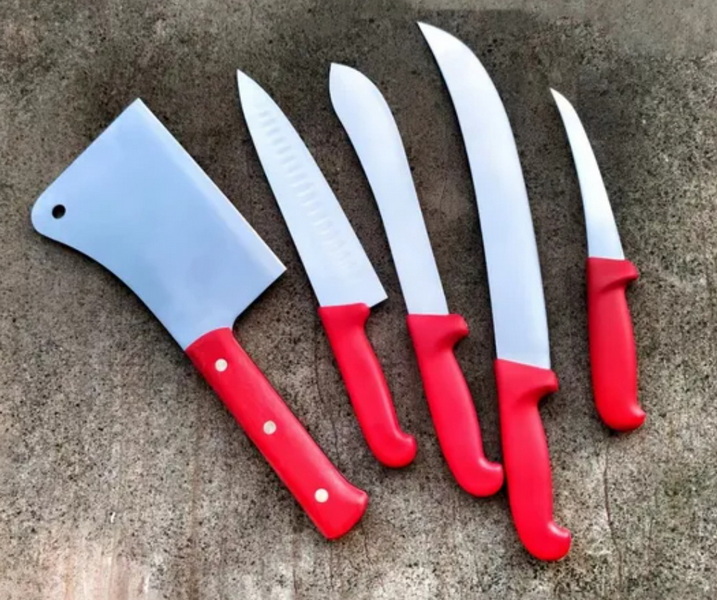
Choosing the ideal butcher knife depends on the specific needs of the establishment. Factors to consider include:
- The types of meat processed — beef, pork, poultry, or fish may require different knives.
- Volume of meat processed daily — high volume demands durable, sharp knives with easy maintenance.
- User comfort and ergonomics — especially for prolonged cutting sessions.
- Maintenance capabilities — knives that are easy to sharpen and clean extend service life.
Using a combination of different butcher knives tailored for various tasks enhances productivity and ensures high-quality meat cuts.
Proper maintenance is critical to extending the life of butcher knives and ensuring their performance remains consistent:
- Sharpen knives regularly with whetstones, honing rods, or professional sharpeners.
- After each use, clean knives thoroughly with warm, soapy water, avoiding dishwashers which can cause damage.
- Dry knives immediately to prevent rust.
- Store knives in secure knife blocks or on magnetic strips to protect edges and prevent accidents.
- Periodically inspect knives for damage and get professional repairs if necessary.
Using butcher knives safely is vital in any meat processing environment:
- Always cut away from the body and use a stable cutting surface.
- Keep knives sharp to minimize the force required and reduce the risk of slipping.
- Wear protective gloves, especially for inexperienced users or when handling slippery meat.
- Maintain focus and avoid distractions while using sharp tools.
While a single versatile butcher knife can suffice for small shops, larger operations benefit from specialized sets. A butcher knife set typically includes a cleaver, boning knife, breaking knife, and sometimes skinning and fillet knives. Using the appropriate knife for each specific task reduces processing time and improves cut quality, impacting customer satisfaction positively.
Modern butcher knives incorporate advancements such as ergonomic handle materials that reduce fatigue and antimicrobial coatings that maintain hygiene. Some knives feature blade designs optimized for specific types of meat, improving precision. These innovations empower meat processors to work faster, safer, and more efficiently.
For restaurants specializing in meat dishes, quality butcher knives are essential kitchen tools. They allow chefs to prepare consistent meat portions and execute detailed trimming for presentation. Proper knife selection, maintenance, and safe use integrate seamlessly into kitchen workflows, enhancing culinary quality and operational efficiency.
Professional butcher knives are vital tools that enable meat shops and restaurants to work efficiently, safely, and with precision. Understanding the different types of butcher knives and their specialized uses helps businesses select the right tools tailored to their needs. Investing in quality knives made of durable materials, combined with proper maintenance and safety practices, maximizes productivity and customer satisfaction. Whether breaking down large carcasses or preparing fine cuts for gourmet dishes, the right butcher knives empower professionals to deliver excellence daily.
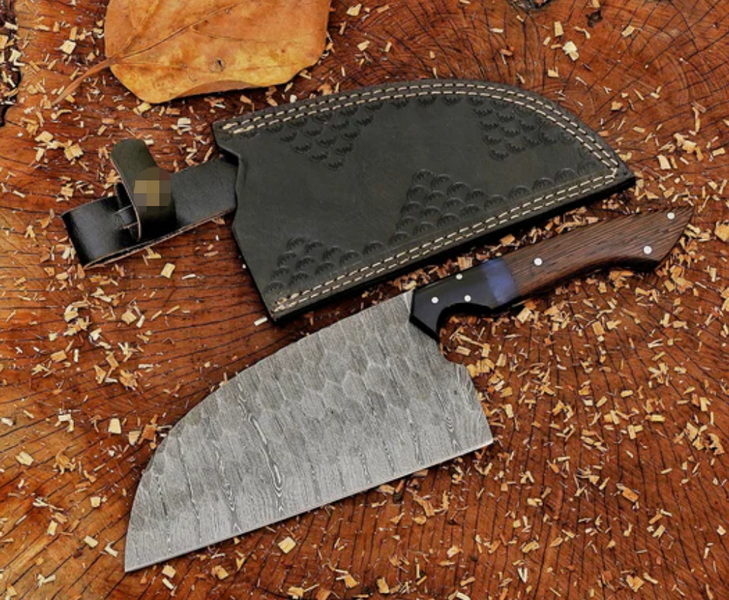
A butcher knife has a large, heavy, curved blade designed for cutting through large meat sections and bones, unlike typical kitchen knives which are more general-purpose.
Sharpening frequency depends on usage but generally every few weeks for daily use ensures optimal cutting performance.
Yes, butcher knives can handle tough vegetables or other heavy-duty kitchen work but are optimized for meat processing.
Yes, for instance, boning knives for poultry and fish, cleavers for heavy beef cuts, and breaking knives for tough connective tissue.
Use designated knife blocks, magnetic strips, or blade guards to protect the knives and ensure safety in busy environments.


