- All
- Product Name
- Product Keyword
- Product Model
- Product Summary
- Product Description
- Multi Field Search

Views: 222 Author: Ann Publish Time: 2025-07-14 Origin: Site


Content Menu
● Overview of Japanese Steak Knife Manufacturing
● Leading Japanese Steak Knife Manufacturers and Suppliers
>> 1. Miyabi
>> 2. Tojiro
● Specialty Steak Knife Brands
>> Togiharu
● The Importance of Ergonomics and Design
● Why Japanese Steak Knives Are Preferred Worldwide
● Frequently Asked Questions (FAQs)
>> Q1: What makes Japanese steak knives different from Western steak knives?
>> Q2: Are Japanese steak knives suitable for home use?
>> Q3: How do I maintain a Japanese steak knife?
>> Q4: Can I order Japanese steak knives for OEM from these manufacturers?
>> Q5: What types of steel are commonly used in Japanese steak knives?
Japan is renowned worldwide for its exceptional craftsmanship in kitchen knives, particularly steak knives. The country's rich history of blade making, combined with modern technology, has produced some of the finest steak knives available on the global market. For international brands, wholesalers, and manufacturers seeking Steak Knife Manufacturers and Suppliers, Japan offers a wealth of options that blend tradition, innovation, and quality.
This article explores the top steak knife manufacturers and suppliers in Japan, highlighting their unique features, craftsmanship, and product lines. It also provides insights into the types of steak knives available, the materials used, and why Japanese steak knives are highly sought after.

Japanese steak knives are distinguished by their sharpness, durability, and elegant designs. Many manufacturers use traditional forging techniques combined with modern steel technology such as VG-10, Damascus layered steel, and powder metallurgy steels to create blades that are not only functional but also works of art.
The key characteristics of Japanese steak knives include:
- Extremely sharp edges with fine bevels (often 15 degrees per side)
- Hardness ratings (HRC) typically above 60, allowing long-lasting sharpness
- Beautiful blade patterns, especially in Damascus steel knives
- Comfortable and ergonomic handles made from wood, micarta, or aluminum
- Hand-forged craftsmanship combined with precision machine finishing
Miyabi is one of the most prestigious brands, owned by Zwilling J.A. Henckels. It combines German precision with Japanese artistry, producing steak knives that feature:
- Cryodur ice-hardened blades with HRC 64+
- 101-layer Damascus steel blades (5000 MCD series)
- Birchwood handles with steel end caps
- Hand-honed and polished finishes
Miyabi steak knives are perfect for those seeking both performance and aesthetic appeal, often considered collectible pieces as well as kitchen tools.
Based in Sanjo City, Tojiro offers high-quality steak knives at accessible prices, making them a favorite among both professionals and home cooks. Their DP series, featuring VG-10 steel, provides excellent edge retention and durability.
- Affordable yet professional-grade steel
- Variety of blade styles including Western and Japanese designs
- Open Factory concept showcasing their manufacturing process
With over 175 years of history, Masamoto Sohonten is one of Japan's oldest knife makers. Their steak knives are prized for:
- High-carbon steel blades with superior edge retention
- Traditional and Western-style options
- Custom-made knives tailored to chef preferences
Masamoto knives are highly respected by professional chefs worldwide.
- Swedish stainless steel (UX-10 series)
- Molybdenum 440 steel for affordability
- Comfortable handles designed for long use
Their steak knives are well-balanced and ideal for professional kitchens.
Located in Sakai City, the largest knife-making hub in Japan, Sakai Takayuki offers a wide range of steak knives, including:
- Damascus steel blades with striking layered patterns
- Hand-forged craftsmanship
- A blend of traditional and modern designs
Their knives are favored by chefs globally for sharpness and durability.
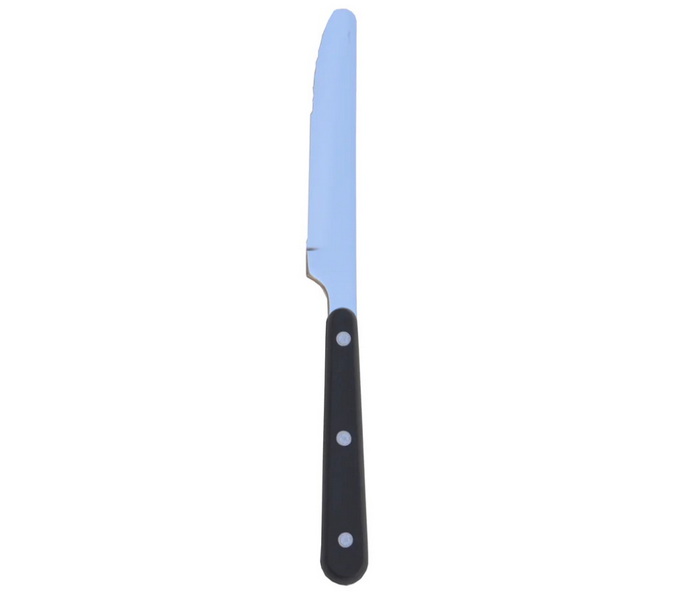
Ryusen Hamono is known for its award-winning steak knives made from VG10 and VG2 multi-layer steel with a hardness of 62 HRC. Their product lines include COLORS, NATURE, and PRECIOUS, featuring handles made from aluminum, cocobolo wood, ebony, and coated in traditional Urushi lacquer.
Since 1964, Mac has been producing steak knives crafted from molybdenum high-carbon steel with razor-sharp 15-degree edges, favored for their sharpness and ease of maintenance.
Togiharu's Hammered Damascus steak knives are stylish and affordable, with hammered finishes that reduce food sticking to the blade. They offer a wide selection suitable for professional chefs and serious home cooks.
Japanese steak knife manufacturers utilize a variety of advanced materials and forging techniques to ensure exceptional blade performance:
- VG-10 Steel: A high-quality stainless steel known for excellent edge retention and corrosion resistance. Common in many mid to high-end Japanese steak knives.
- Damascus Steel: Created by layering different steels and forging them together, Damascus steel offers unique, beautiful patterns and enhanced blade strength.
- Powder Metallurgy Steel (e.g., SG2, R2): These steels are made from powdered metal, resulting in ultra-fine grain structures that provide superior sharpness and durability.
- High Carbon Stainless Steel: Balances sharpness with rust resistance, often used in traditional knives.
- Handle Materials: Handles may be crafted from exotic woods (ebony, cocobolo), micarta, pakkawood, or stainless steel, designed for comfort and durability.
Japanese steak knife manufacturers pay close attention to handle design and balance to reduce hand fatigue and improve cutting precision. Ergonomic handles often feature contours that fit naturally in the hand, non-slip textures, and materials that resist moisture and temperature changes.
The blade's weight distribution is also carefully calibrated to provide a balanced feel, allowing users to cut through steak effortlessly without excessive force.
While many Japanese steak knives feature Western-style double bevel edges, some manufacturers also produce traditional single bevel knives for specialized cutting techniques. The blade length typically ranges from 4 to 6 inches, optimized for slicing steak and other meats cleanly.
Some knives have serrated edges, which are excellent for cutting tougher cuts of meat, while others have straight edges for precision slicing.
Japanese steak knives have earned a global reputation for their:
- Sharpness: Thanks to harder steels and precise bevel angles, Japanese knives maintain razor-sharp edges longer than many Western counterparts.
- Durability: High-quality materials and expert forging result in blades that resist chipping and corrosion.
- Aesthetic Appeal: The artistry of Damascus patterns, hand-polished finishes, and elegant handles make these knives desirable for collectors and chefs alike.
- Versatility: Suitable for professional kitchens and home use, Japanese steak knives cater to a wide range of users.
- OEM Opportunities: Many Japanese manufacturers offer OEM services, allowing international brands and wholesalers to customize knives with their logos, handle designs, and packaging.
Japan remains a global leader in the production of high-quality steak knives, combining centuries-old traditions with modern technology. The Steak Knife Manufacturers and Suppliers featured here—Miyabi, Tojiro, Masamoto Sohonten, Misono, Sakai Takayuki, Ryusen Hamono, Mac, and Togiharu—offer a diverse range of products that meet the needs of professional chefs, wholesalers, and international brands looking for OEM partnerships.
Choosing Japanese steak knives means investing in precision, durability, and artistry that enhances the culinary experience. Whether for commercial or retail purposes, these manufacturers provide reliable, beautifully crafted knives that stand the test of time.
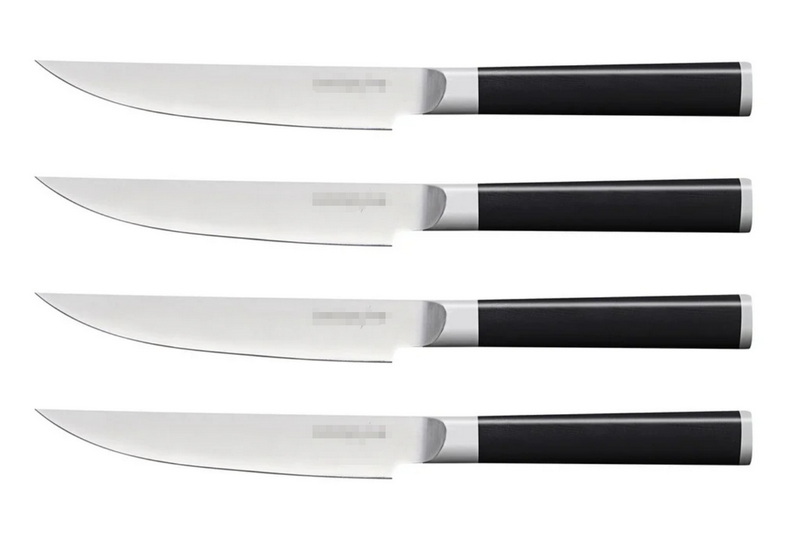
A1: Japanese steak knives typically have thinner, harder blades with sharper edges (around 15 degrees) and often feature traditional hand-forged craftsmanship and layered Damascus steel, offering superior sharpness and aesthetics.
A2: Yes, many Japanese steak knives are designed for both professional chefs and home cooks, providing excellent performance and ease of use.
A3: Regular honing and careful hand washing are recommended. Avoid dishwashers and use a whetstone for sharpening when needed.
A4: Yes, many Japanese manufacturers offer OEM services for international brands, wholesalers, and producers.
A5: Common steels include VG-10, VG-2, high-carbon stainless steels, molybdenum high-carbon steel, and layered Damascus steel, each offering a balance of sharpness, durability, and corrosion resistance.


