- All
- Product Name
- Product Keyword
- Product Model
- Product Summary
- Product Description
- Multi Field Search

Views: 222 Author: Ann Publish Time: 2025-10-13 Origin: Site


Content Menu
● Introduction to Damascus Knives
● The History and Origin of Damascus Steel
● How Damascus Knives Are Made
● Advantages of Damascus Knives
● Incorporating Damascus Knives in Modern Kitchens
● OEM Opportunities for Damascus Knives
● Frequently Asked Questions (FAQ)
>> Q1: What makes Damascus knives different from regular kitchen knives?
>> Q2: Are Damascus knives rust-resistant?
>> Q3: How should I sharpen a Damascus knife?
>> Q4: Can Damascus knives be customized through OEM manufacturing?
>> Q5: Are Damascus knives expensive?
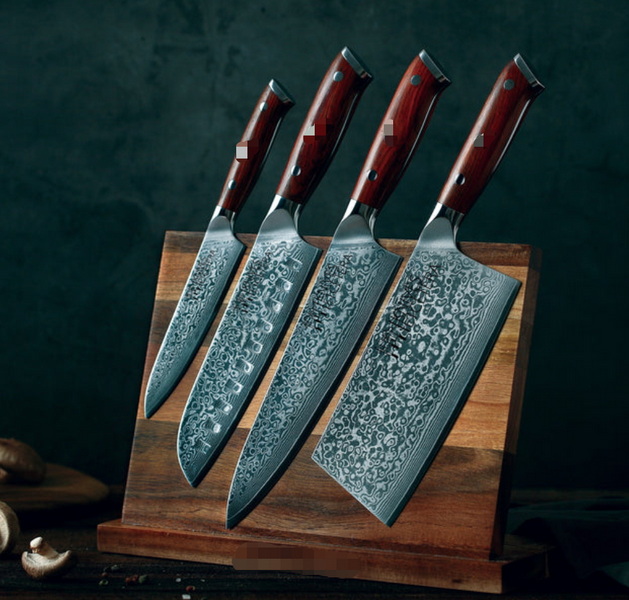
A Damascus knife is a remarkable type of kitchen knife renowned for its distinctive wavy or watery blade patterns, exceptional sharpness, and outstanding durability. These knives originate from a centuries-old steel-making tradition that blends metallurgical mastery with aesthetic beauty. Damascus knives have become highly popular among professional chefs, home cooks, collectors, and kitchen enthusiasts worldwide, admired not only for their cutting performance but also for their artistic appeal.

The name “Damascus” originally referred to a type of steel produced in the Near East, famed in ancient times for its strength, resilience, and unique patterns. The original Damascus steel was made from wootz steel, imported from India and Sri Lanka, and processed through a complex forging technique. This steel was prized for its ability to hold sharp edges and display beautiful surface patterns due to the way different steel layers combined.
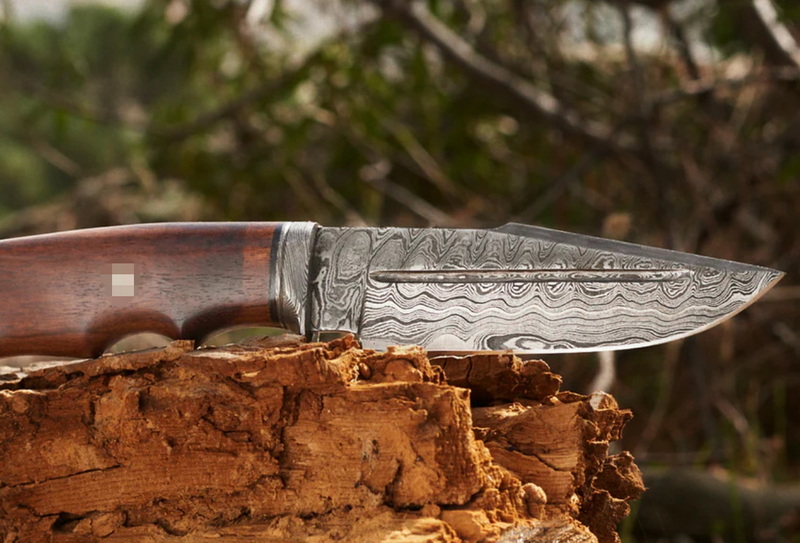
Today's Damascus knives are made with modern methods that replicate these layered patterns through a process called pattern welding. Multiple layers of different steels are forged and folded repeatedly to create thousands of microscopic layers. This gives the blade a striking appearance with flowing, waterfall-like surface patterns that are unique to each knife. Modern Damascus steel thus combines the functional benefits of composite steels with attractive aesthetics.
The manufacturing of Damascus knives involves several intricate steps. First, knife makers select steels with different properties—often a high-carbon steel for hardness and an iron-rich or stainless steel for corrosion resistance. These steels are layered, stacked, and heated until molten enough to be forge-welded together.
The blade is then hammered and folded multiple times to develop alternating layers, usually resulting in hundreds or thousands of layers throughout the blade. This layering enhances strength, edge retention, and flexibility. After shaping and heat treating, artisans etch or polish the blade to bring out the signature Damascus patterns. The entire process requires great skill and precision to balance performance, appearance, and durability.
Damascus knives enjoy a well-earned reputation for several key advantages:
- Superior Sharpness: The combination of hard steels layered with tough steel allows Damascus blades to achieve and sustain razor-sharp edges.
- Durability: The folding and layering process reduces impurities and increases blade toughness, making these knives resistant to chipping and wear.
- Unique Aesthetics: Every Damascus knife is one of a kind, with exclusive swirling or flowing patterns on its blade, admired as functional art.
- Corrosion Resistance: Depending on steel choice, many Damascus blades resist rust and stains better than traditional blades.
- Versatility: Damascus knives come in many forms, including chef knives, cleavers, paring knives, and more, serving different kitchen roles efficiently.
Many people confuse Damascus steel with “damask” pattern steel or believe that its visual appeal is only surface deep. However, the performance benefits come from the blade's layered steel core, not just surface decoration. Also, quality Damascus knives are typically forged rather than stamped, ensuring stronger blades with superior edge retention.
Proper care ensures the long life and beauty of Damascus knives. These knives benefit from:
- Hand washing with mild soap and drying immediately to avoid moisture exposure.
- Avoiding abrasive materials or dishwasher use that can damage the patterned surface.
- Regular honing and careful sharpening to maintain edge sharpness without harming layers.
- Applying mineral oil occasionally to protect against rust, especially if the blade contains high carbon steel.
Professional chefs and cooking enthusiasts often select Damascus knives not only for their cutting ability but also as statements of craftsmanship and style. The unique patterns complement premium kitchen designs, while the sharp edges enable precision slicing, dicing, and chopping.
For manufacturers and brands, offering Damascus knife OEM services is an attractive business avenue. Skilled factories can customize designs, handle ergonomics, blade sizes, and packaging to meet the exact needs of foreign brands, wholesalers, and retailers. With increasing global demand for premium kitchen tools, Damascus knives stand out as high-value products that combine tradition, technology, and aesthetics.
Damascus knives are a perfect fusion of ancient metallurgical art and modern manufacturing precision. Their strikingly beautiful layered patterns, combined with unmatched sharpness and durability, make them highly popular among chefs and collectors around the world. Offering OEM Damascus knives taps into a niche with strong global demand, where craftsmanship meets functionality.
Maintaining these knives with proper care ensures their longevity and keeps their distinctive appearance vibrant. Whether in home kitchens or professional environments, Damascus knives continue to be prized tools that enhance culinary performance and style.
A1: Damascus knives feature layered steels forged to create unique patterns, offering superior sharpness, toughness, and aesthetics compared to regular single-steel knives.
A2: Many Damascus knives provide good corrosion resistance due to the combination of stainless and high-carbon steels, but some require care to prevent rust.
A3: Use fine whetstones or professional sharpening tools. Avoid electric sharpeners that may damage the layered blade structure.
A4: Yes, skilled factories provide OEM services including custom blade sizes, handle materials, patterns, and packaging for foreign brands.
A5: High-quality Damascus knives tend to be more expensive due to complex manufacturing and premium materials, but prices vary by maker and customization.


