- All
- Product Name
- Product Keyword
- Product Model
- Product Summary
- Product Description
- Multi Field Search

Views: 222 Author: Ann Publish Time: 2025-11-26 Origin: Site


Content Menu
● Composition and Properties of Stainless Steel and Carbon Steel
● Mechanical Performance Characteristics
● Stainless Steel Grades Explained
● Carbon Steel Varieties Common in Household Knife Sets
● The Knife Manufacturing Process: Stainless Steel vs Carbon Steel
● Maintenance and Care for Household Knife Sets
● Usage Scenarios and Recommendations
>> 1. Which steel is better for everyday household knives?
>> 2. Do carbon steel knives rust easily?
>> 3. How often should I sharpen my household knives?
>> 4. Can I put stainless steel knives in the dishwasher?
>> 5. Why do chefs prefer carbon steel knives?
When selecting materials for a household knife set, stainless steel and carbon steel stand as two of the most prevalent and thoughtfully debated options. Both materials possess unique attributes shaping their performance, longevity, maintenance demands, and cost. This comprehensive article offers an extensive analysis of stainless steel versus carbon steel in household knife sets, helping consumers and professionals alike understand their differences to make well-informed choices.
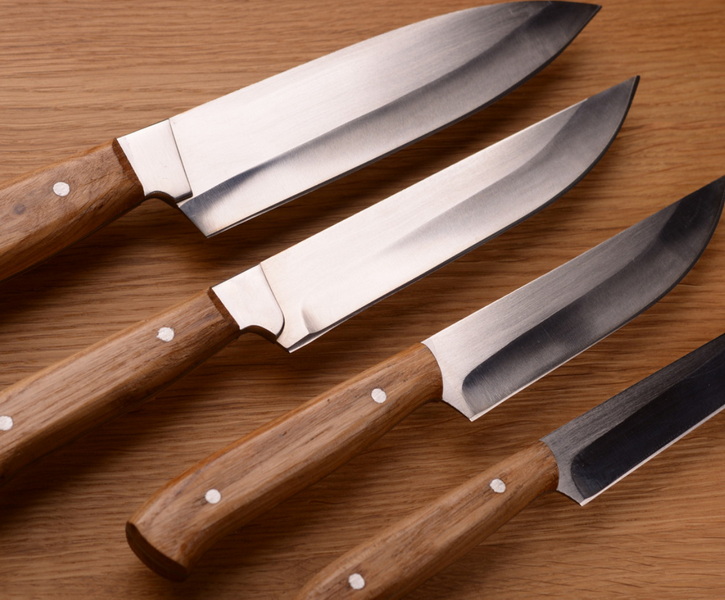
Steel is an alloy primarily made from iron and carbon, with additional alloying elements influencing its properties. Carbon steel, with carbon content ranging from 0.12% to 2%, typically contains less than 10.5% of other alloying elements, emphasizing hardness and edge retention. Stainless steel must contain a minimum of 10.5% chromium, which forms a chromium oxide layer on the surface creating resistance to rust and corrosion.
Stainless steel is subdivided into ferritic, austenitic, martensitic, and duplex types, each offering different balances of hardness, corrosion resistance, and toughness. Martensitic stainless steel is widely used in household knife sets for its combination of edge retention and moderate corrosion resistance. Carbon steel, favored for its ability to attain incredibly sharp edges, is highly valued for cutting precision but requires diligent maintenance to prevent rust and discoloration.
- Sharpness and Edge Retention: Carbon steel knives can be sharpened to a finer edge and typically retain that edge longer compared to stainless steel knives. This quality is preferred for precision kitchen tasks requiring clean, effortless cuts.
- Corrosion Resistance: Stainless steel's chromium oxide layer shields it from oxidation, making it highly resistant to rust and staining — ideal for wet kitchen environments and low-maintenance care.
- Toughness and Durability: Stainless steel exhibits greater toughness and resistance to chipping or cracking, suitable for daily household use. Carbon steel, though harder, can become brittle if improperly handled.
- Maintenance Needs: Stainless steel knives generally require only regular washing and drying. Carbon steel knives necessitate more care including thorough drying, occasional oiling, and proper storage to prevent rust.
- Cost and Production: Carbon steel knives tend to be less expensive to manufacture and modify, appreciated by custom knife-makers. Stainless steel knives, while often costlier, serve general consumers with convenience and rust-free handling.
1. Ferritic: Magnetic, contains 10.5-18% chromium, offers moderate corrosion resistance, uncommon in premium kitchen knives.
2. Austenitic: Contains chromium and nickel, non-magnetic, highly corrosion-resistant but less hard, more common in cookware.
3. Martensitic: Common in kitchen knives, contains 12-18% chromium and carbon, balances hard edges with corrosion resistance and is heat-treatable to high hardness.
4. Duplex: Hybrid offering superior super strength and corrosion resistance, uncommon in household knives.
- Low Carbon Steel: Softer, easier to shape, but less edge retention.
- High Carbon Steel: Includes steels like 1095 and Japanese blue (Aogami) and white (Shirogami) steels; offers high hardness, supreme sharpness, but requires rust prevention.
- Appreciated for exquisite sharpness that professional chefs seek, with a characteristic patina forming with use which many endorse for aesthetic and protective reasons.
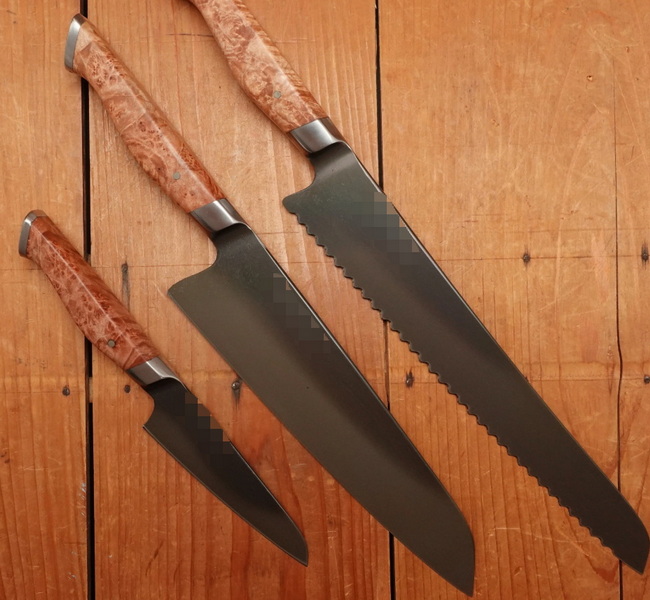
The knife manufacturing process shares some universal steps for both stainless steel and carbon steel, but the heat treatments and finishing details differ to optimize material traits.
- Material Cutting and Forging: Steel billets are cut to size and heated (around 1150°C) to forge them into rough blade shapes under a drop hammer. Stainless steel, with its chromium content, requires careful control to maintain protective layers.
- Heat Treatment: Tempering hardens blades. Both steel types are heated (around 1060°C) then cooled rapidly, followed by reheating to 200-300°C for hardness control. Stainless steel tempering is designed to optimize corrosion resistance and toughness, while carbon steel tempering maximizes hardness and edge retention.
- Grinding and Polishing: Precise grinding shapes the blade bevel, followed by polishing to finish. Advanced grinding machinery ensures consistent edge geometry and surface smoothness, with polishing conferring a satin or mirror finish.
- Handle Attachment: Handles are fitted to tangs and secured, often using rivets or epoxy, tailored to ergonomic design and material preferences.
- Sharpening: Final sharpening with whetstones or specialized systems achieves razor-sharp edges suitable for household or professional use.
- Quality Control and Packaging: Every knife undergoes inspection to meet rigorous standards before final protection and packaging for shipment.
More specialized techniques such as forge welding (san mai construction) sandwiching high carbon steel between stainless steel layers combine benefits of both steels, providing toughness, corrosion resistance, and sharpness in one blade.
- Stainless Steel Knives: Require simple washing and thorough drying immediately after use; they handle dishwasher exposure better but hand washing preserves edge life.
- Carbon Steel Knives: Need immediate drying and occasional application of food-safe oils to prevent oxidation; storing in dry environments is essential.
- Over time, carbon steel knives develop a patina that protects the blade and adds character; avoid letting food acids contact the blade for extended periods.
- Everyday Household Use: Stainless steel is ideal for busy kitchens due to low maintenance and rust resistance.
- Culinary Enthusiasts and Professionals: Carbon steel provides superior cutting performance and edge retention.
- Outdoor or Specialty Knives: Carbon steel's toughness and sharpness make it preferred for rugged tasks.
- Hybrid Knife Sets: Combining stainless and carbon steel knives allows users to select tools suited to specific tasks.
Choosing stainless steel or carbon steel for a household knife set hinges on user needs and kitchen habits. Stainless steel offers enduring ease of care, corrosion resistance, and toughness, perfect for typical household settings. Carbon steel excels in sharpness and edge retention but asks for more attentive maintenance. Both steels have rightful places in a well-rounded household knife set, often complementing each other to cover a broad spectrum of kitchen tasks.
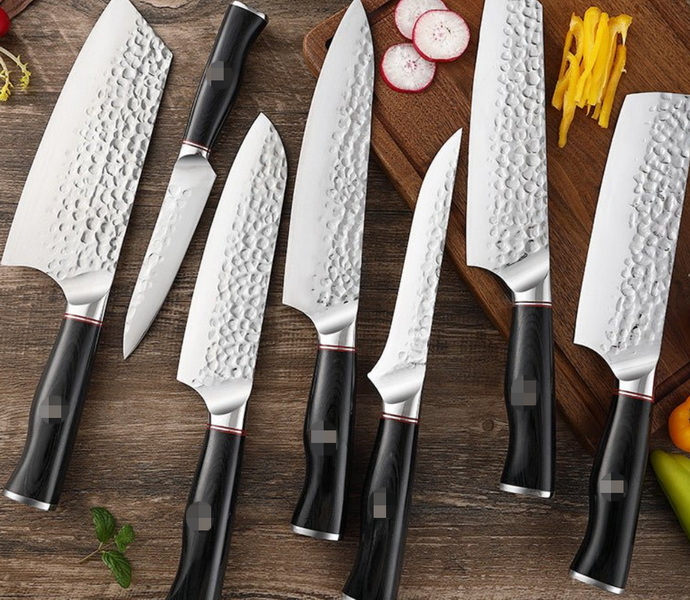
Stainless steel is preferred for everyday use because of its low maintenance and corrosion resistance.
Yes, carbon steel is prone to rust if not cleaned and dried properly after use.
Carbon steel knives require more frequent sharpening due to sharper edges; stainless steel knives are tougher but harder to sharpen often.
It is technically possible but not recommended as it can dull blades and damage handles faster than hand washing.
Chefs choose carbon steel for precise sharpness, edge retention, and ease of re-sharpening that supports exacting culinary tasks.


