- All
- Product Name
- Product Keyword
- Product Model
- Product Summary
- Product Description
- Multi Field Search

Views: 222 Author: Site Editor Publish Time: 2025-11-27 Origin: Site


Content Menu
● Keep Your Household Knife Set Sharp and Well-Maintained
● Use the Right Knife for Each Kitchen Task
● Master Proper Cutting Techniques for Safety
>> Proper technique significantly reduces accidents.
>> Handle and Carry Knives with Care
● Clean and Store Your Household Knife Set Properly
● Additional Household Knife Set Safety Tips
● Choosing the Right Cutting Board to Protect Knives and Enhance Safety
● Mindful Kitchen Practices to Support Knife Safety
● Special Considerations for Children and Knife Safety
● What to Do in Case of a Knife Accident
● Frequently Asked Questions (FAQs)
>> 1. Why is it safer to use a sharp knife rather than a dull one?
>> 2. How should I store my Household Knife Set safely?
>> 3. Can I use Household Knife Set knives for non-food tasks?
>> 4. What is the best hand position while cutting?
>> 5. How often should I sharpen and hone my knives?
A Household Knife Set is an indispensable collection in any kitchen, essential for effective food preparation and culinary enjoyment. However, these sharp tools require respect and care to prevent injury. This article provides an extensive guide of safety tips for every user to understand how to properly use, maintain, and store a Household Knife Set safely. Emphasizing proper techniques and habits will ensure a safe kitchen environment for you and your family.

Maintaining a sharp blade is crucial for safety. A sharp knife requires less force to cut, reducing the likelihood of slips that can cause serious cuts. Dull blades not only hinder efficiency but also increase accident risks.
- Hone your knives regularly with a honing rod to keep edges aligned.
- Sharpen your knives periodically using a whetstone, electric sharpener, or professional sharpening service.
- Avoid using knives on overly hard surfaces like frozen food or bones, which can chip blades.
- Always dry knives immediately after washing to prevent rust and corrosion.
Each knife in your Household Knife Set is designed for specific tasks. Using the correct knife enhances control and safety.
- Chef's knives are ideal for chopping vegetables and slicing meat.
- Paring knives are perfect for peeling and intricate cuts.
- Bread knives have serrated edges for slicing crusty bread without squashing.
- Avoid using any kitchen knife for non-food activities like opening cans or prying lids.
- Practice the “claw grip” with your non-cutting hand by curling fingertips inward and holding food firmly to protect fingers from the blade.
- Cut on a stable, non-slip cutting board secured with a damp towel or mat underneath.
- Always cut away from your body and hands to prevent injury.
- Never attempt to catch a falling knife — step back and let it drop safely.
How you hold and transport knives affects safety significantly.
- Hold knives firmly by the handle with the blade pointing downwards when moving around.
- Never carry knives with the sharp edge facing upward or the blade exposed.
- When handing a knife to someone, place it flat on a stable surface or pass it by the handle.
- Avoid leaving knives unattended in sinks or on edges where they can fall.
Proper cleaning and storage prolong the life of your knives and reduce hazards.
- Wash knives immediately after use by hand with warm soapy water; avoid dishwashers which dull blades.
- Dry knives thoroughly to avoid rust.
- Store knives in a knife block, magnetic strip, protective sheath, or knife drawer insert.
- Keep knives out of reach of children using child-proof storage solutions like locked drawers or mounted strips placed high.
- Keep hands dry and knife handles free of grease to avoid slipping.
- Consider wearing cut-resistant gloves when handling very sharp knives or when new to knife skills.
- Regularly inspect knives for chips, cracks, or loose handles; repair or replace damaged knives immediately.
- Educate all kitchen users, including children, on proper knife use and risks.
- Use knife guards when transporting knives to prevent accidents and blade damage.
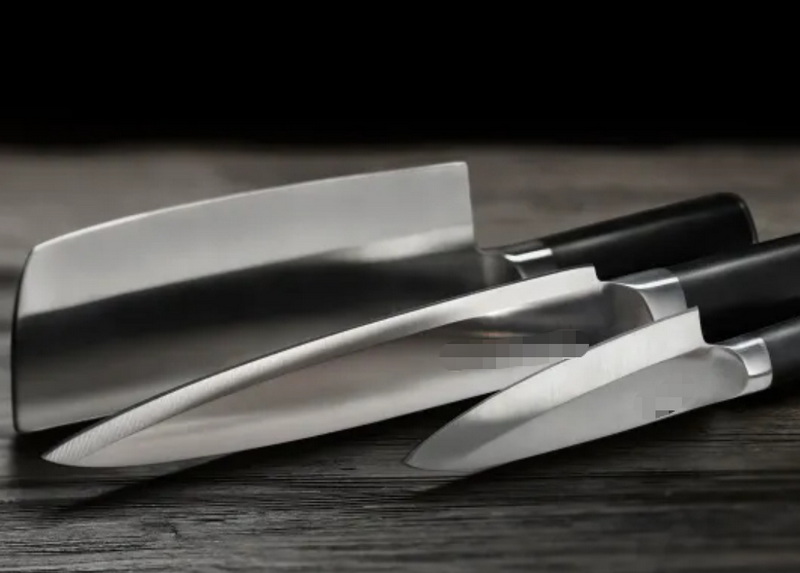
The cutting board you use with your Household Knife Set directly impacts safety and blade longevity. Wooden and plastic cutting boards are ideal as they are gentle on blades and reduce slipping.
- Avoid glass, ceramic, or stone boards as they dull knives quickly and can shatter.
- Secure the board with a damp cloth or non-slip mat underneath to prevent movement while cutting.
- Replace boards regularly to avoid grooves where bacteria can accumulate.
- Always clear your cutting area of clutter or obstacles to avoid distractions or objects catching your blade.
- Avoid reaching across or over a knife when working; keep your motions deliberate and focused.
- Do not use knives when tired, distracted, or under the influence of substances impairing coordination.
- Keep a first aid kit accessible in the kitchen equipped to manage minor cuts quickly and effectively.
- Regularly refresh knife safety knowledge, especially if new users join your kitchen.
Teaching knife safety from a young age is vital if children will use the Household Knife Set.
- Start with child-safe knives designed specifically for beginners.
- Teach the claw grip and safe cutting techniques under adult supervision.
- Store adult knives separately in locked or out-of-reach cabinets.
- Emphasize that knives are tools, not toys, and require respect.
Even with precautions, accidents can happen. Being prepared is key.
- Clean minor cuts with antiseptic and cover with sterile bandages.
- Apply pressure to stop bleeding and elevate the injured area if possible.
- Seek professional medical help for deep cuts or if bleeding does not stop.
- Consider taking a basic first aid course for emergencies.
- Promptly report kitchen injuries in workplace or professional environments and review safety procedures.
A Household Knife Set is an invaluable kitchen companion that must be respected and handled responsibly. Implementing these safety tips—maintaining sharp blades, using correct knives, mastering safe cutting techniques, careful handling, and proper cleaning and storage—dramatically reduces the risk of injury. By fostering safe habits and educating all users, your kitchen will be a safer, more efficient space for culinary creativity.
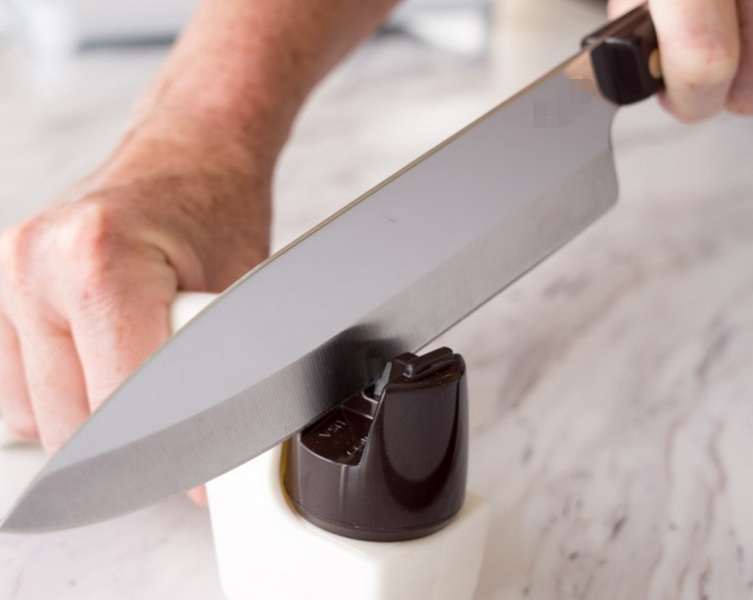
A sharp knife requires less force to cut, offering better control and reducing the risk of slipping and injury.
Store knives in a knife block, magnetic strip, or sheath and keep out of reach of children to avoid accidents.
No. Using kitchen knives for opening cans or other non-food tasks can damage blades and increase injury risk.
Use the claw grip by tucking fingertips under and holding the food firmly, keeping fingers safe from the blade.
Hone regularly before or after use to maintain the edge and sharpen every few months depending on usage frequency.


