- All
- Product Name
- Product Keyword
- Product Model
- Product Summary
- Product Description
- Multi Field Search

Views: 222 Author: Ann Publish Time: 2025-11-14 Origin: Site


Content Menu
● Understanding Your Pizza Cutter
>> Pizza Cutter varieties and their OEM considerations
>> Material science and surface treatments
>> Disassembly-friendly designs for OEM
>> Drying and storage after cleaning
>> Preventive storage and rust control
>> Material-specific maintenance
>> Storage, handling, and transport
>> Can a Pizza Cutter be safely washed in a dishwasher?
>> How often should the pivot be lubricated on a Pizza Cutter?
>> What is the best way to remove stubborn cheese from the blade?
>> Are wooden handles safe for dishwashers?
>> How do I prevent rust on carbon steel pizza cutters?
Pizza Cutter plays a pivotal role in professional kitchens, pizzerias, and home entertaining alike. For OEM manufacturers and brands that supply kitchen tools globally, ensuring longevity, reliability, and pristine performance of each Pizza Cutter is not just a feature—it is a promise to customers. This article provides an in-depth, practical guide on maintaining and cleaning Pizza Cutters to maximize their lifespan, with clear steps, material-specific cautions, storage and transport considerations, and a concise FAQ designed for training materials and product documentation. It emphasizes that good maintenance reduces downtime, improves cutting quality, and strengthens brand trust in international markets.
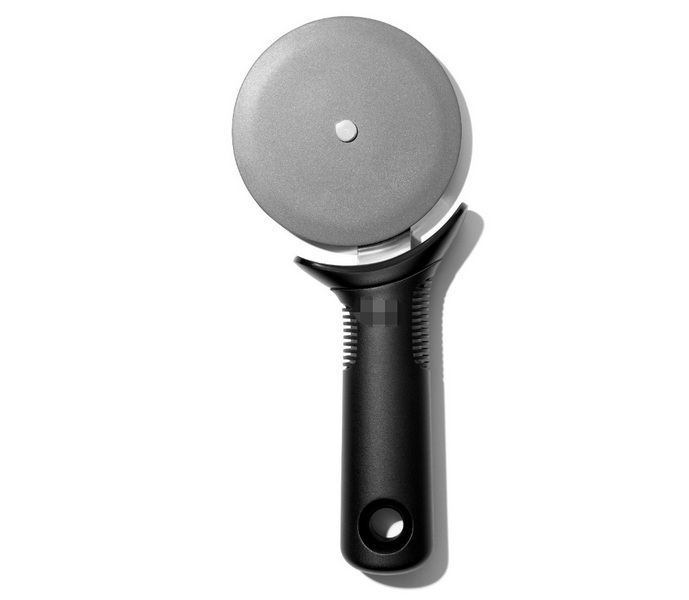
- Types you will encounter include wheel-style Pizza Cutters, Rocker (mezzaluna) cutters, and specialized hand-held circular blades. For OEM projects, selecting the right type depends on customer requirements, expected throughput, and target market preferences. Key performance drivers are blade material, blade geometry, hub construction, handle ergonomics, and ease of disassembly for cleaning. Each variant demands distinct maintenance receptivity and care schedules.
- Major components and their longevity implications: blade material (stainless steel, carbon steel, coated blades), hub/axle connection, and handle materials (stainless steel, high-grade plastics, wood or composite). Durable, corrosion-resistant blades help with frequent cleaning, while easy-disassembly reduces moisture exposure in crevices.
- Stainless steel blades resist rust and are easier to sanitize in commercial settings, but proper drying and occasional lubrication (where permitted by the design) extend life. Carbon steel blades offer excellent edge retention but require diligent anti-corrosion care. Surface treatments such as plating or protective coatings can enhance corrosion resistance but must remain food-safe and compliant with regional regulations. These material choices influence cleaning routines, maintenance frequency, and SKU differentiation in OEM programs.
- A design that allows safe disassembly for cleaning—without compromising structural integrity—increases the effectiveness of routine maintenance and lowers the risk of hidden grime. For OEM partners, providing model-specific disassembly instructions, torque specs, and lubrication guidelines helps distributors perform consistent maintenance across regions.
- After each use, rinse off loose cheese, tomato sauce, and other debris with warm water. A quick initial rinse reduces baked-on residue and makes subsequent cleaning faster and safer. Avoid leaving acidic residues for prolonged periods, as they can corrode certain finishes.
- Use a brush or soft sponge to remove crusted food from the blade edge and hub area, taking care to avoid contact with the sharp edge. Dry the blade and hub thoroughly to prevent water entrapment.
- Do not soak entire Pizza Cutter in water or place it in the dishwasher if the design warns against it. Dishwashers can dull blades, affect coatings, and trap moisture in joints. Instead, wash by hand with mild dish soap and warm water. Rinse well and dry completely. For OEM campaigns, specify dishwasher compatibility in the product literature only if applicable to the model.
- When lubricants are approved for a given model (often in high-use environments), apply a food-grade lubricant sparingly to pivot points or bearing interfaces as directed by the manufacturer. Avoid lubricant contact with the blade edge. Document lubrication intervals in the maintenance SOP provided to brand partners.
- After washing, thoroughly dry all parts, including the inside of any hollow handles or joints. Air-drying on a clean surface or rack with good airflow minimizes water spots and rust risk. For OEM documentation, include a drying guideline and a checklist to ensure complete moisture removal.
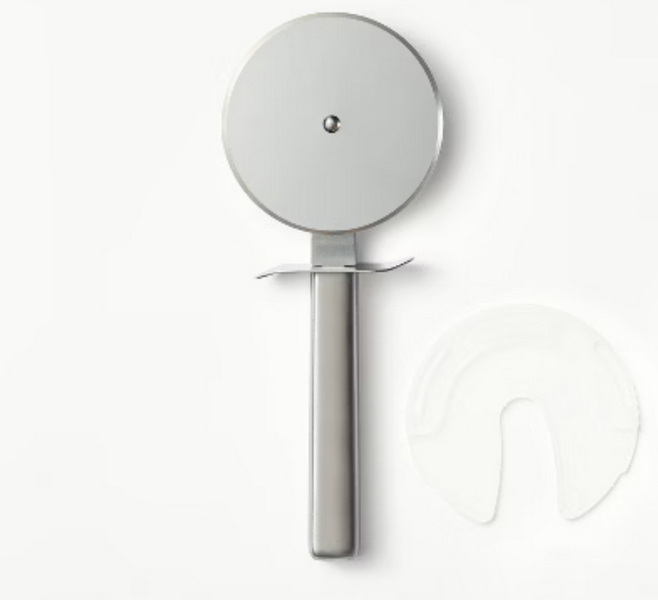
- Store Pizza Cutters in a dry, ventilated area away from moisture-prone environments. Use protective sheaths, blade guards, or soft-lined storage cases to prevent nicks and scratches and to minimize corrosion exposure. For shipments, packaging should incorporate desiccants and moisture barriers consistent with OEM packaging standards.
- Regular inspection cadence helps catch wear before it affects performance. Check blade alignment, hub tightness, handle integrity, and coatings for signs of wear or corrosion. OEM manuals should define inspection intervals and acceptable tolerances.
- Stainless steel blades: Routine cleaning and drying are usually sufficient; consider light, food-grade lubrication on non-cutting surfaces if the design allows and if the watchwords of the brand include rust prevention in humid markets.
- Carbon steel blades: If anti-corrosion coatings are present, follow coating manufacturer guidance for re-application during the product lifetime; keep blades dry and avoid prolonged exposure to moisture.
- Coatings and plating: For elements with protective coatings, avoid abrasive cleaners. Use soft cleaning tools and mild detergents to preserve coating integrity, which is essential for aesthetic and corrosion resistance in OEM contexts.
- Use protective packaging that minimizes impact, prevents blade-edge contact, and maintains dryness during transport. Label maintenance requirements clearly on the packaging so downstream partners can follow OEM SOPs easily. Visual cues like “Keep Dry” and “Do Not Submerge” help in multi-market distribution.
- Training materials for distributors and end-users should emphasize safe handling, blade discipline, and proper storage to prevent accidents and extend product life.
Maintenance and cleaning are not ancillary tasks but core to the longevity, performance, and perceived value of Pizza Cutters in OEM programs. By adopting clean-as-you-go practices, enabling safe disassembly for thorough cleaning, and applying material-specific care, brands can deliver consistently high-quality tools that resist rust, maintain sharpness, and withstand commercial use. For OEM partners, offering model-specific SOPs, clear packaging with maintenance guidance, and training resources helps distributors educate end-users, reduces after-sales issues, and reinforces brand trust in diverse markets. If customization is needed, a tailored maintenance manual, multilingual training materials, and region-specific compliance guidance can be produced to fit each brand's product lineup. A well-maintained Pizza Cutter is not only a tool but a durable ambassador for quality across global kitchens.

- In most cases, hand washing is recommended to preserve blade sharpness and coatings. Always follow the manufacturer's guidance for each model; OEM documentation should specify dishwasher compatibility if applicable.
- Lubrication should follow the manufacturer's specification, typically during periodic maintenance in high-usage environments. Avoid lubricants on the blade edge. For OEM partners, include clear intervals in the maintenance SOP.
- Use warm soapy water with a soft brush or plastic scraper. Avoid abrasive tools that can scratch coatings. Dry thoroughly after cleaning.
- Wooden handles are generally not dishwasher-safe; exposure to moisture can cause swelling or cracking. Cleaning with a damp cloth and thorough drying is encouraged. Include handle care notes in OEM manuals where relevant.
- Ensure rapid drying, consider periodic light lubrication on non-edge surfaces if approved, and store in a dry environment. For brands using carbon steel, emphasize anti-corrosion protocols in regional guides.


