- All
- Product Name
- Product Keyword
- Product Model
- Product Summary
- Product Description
- Multi Field Search

Views: 222 Author: Ann Publish Time: 2025-11-15 Origin: Site


Content Menu
>> Product design and materials
>> Quality systems and certifications
>> Manufacturing capabilities and scale
● How to assess reliability in practice
>> Quality assurance in operation
>> Commercial terms and after-sales support
● Practical steps for selecting the right pizza cutter partner
>> Define specifications and compliance
>> Evaluate and shortlist suppliers
>> Verification and pilot work
● Crafting a compelling supplier profile for foreign brands
● Frequently asked questions (FAQs)
>> 1: What materials are commonly used for pizza cutter blades, and how do they affect performance?
>> 2: How important is a factory audit when selecting an OEM partner?
>> 3: What should be included in a guarantee or warranty framework for pizza cutters?
>> 4: Can a manufacturer support private-label branding?
>> 5: What indicators demonstrate a reliable pizza cutter supplier?
In the global kitchenware market, finding a reliable pizza cutter manufacturer is a strategic necessity for foreign brands, wholesalers, and contract manufacturers. A dependable partner translates design concepts into durable, safe, and market-ready products, while maintaining consistent quality, compliance, and timely delivery. This article presents practical criteria to evaluate pizza cutter manufacturers, explains how to verify capabilities, and outlines steps to establish a successful OEM relationship. The emphasis on reliability helps ensure that every pizza cutter delivered to markets worldwide meets safety standards, performance expectations, and brand promises.

- A trustworthy pizza cutter manufacturer should clearly document blade material options (high-carbon stainless steel, 420/430-series stainless steels, or specialty alloys), edge geometry, thickness, and corrosion resistance. Providing comparative data on hardness (HRC), wear resistance, and food-contact compliance demonstrates engineering rigor.
- Customization capabilities matter: can the factory accommodate different blade widths, wheel diameters (for rocker-style cutters), handle materials (polymer, POM, wood, or composite), finishes (polished, satin, or non-slip coatings), and brand logos? A strong OEM partner typically offers rapid prototyping, design for manufacturability input, and scalable tooling.
- Ask for formal quality management documentation such as ISO 9001 and any food-safety certifications (e.g., FSSC 22000, BRCGS, or equivalent local standards). These attest robust QA processes, traceability, and consistent output across batches.
- Demand visibility into supplier audits, incoming material controls, in-process inspections, final QC data, and batch traceability. A reliable supplier should provide sample QC reports and clear nonconformance handling procedures.
- Verify the breadth of production capabilities: number of distinct pizza cutter models supported, volumes for high-demand SKUs, and whether the facility can manage multi-SKU, private-label programs with consistent lead times. A diversified capability base often correlates with resilience in supply chains.
- Consider logistics readiness: proximity to stainless steel and coating suppliers, packaging providers, and distribution hubs; plus the ability to consolidate shipments for international clients. Efficient logistics reduce idle time and protect product quality.
- Seek verifiable references from foreign brands and distributors. A credible track record with international clients suggests familiarity with regulatory expectations, documentation, and approval processes across continents.
- Look for transparency about factory location, workforce qualifications, and certifications. Where possible, request a virtual tour or on-site audit to validate operations and working conditions.
- Inquire about blade sharpening and edge-holding tests, ergonomic assessments for handle design, and safety features (blade guard, finger protection, and storage). Documented QA routines that trace tests to specific lots help minimize post-sale issues.
- Understand sampling policy, rework and repair processes, and the supplier's corrective action procedures for defects. A strong partner has a formal deviation management system and clear timelines for resolutions.
- Review pricing structures, minimum order quantities (MOQs), and flexibility for mixed orders. Transparent terms and predictable pricing reduce collaboration friction.
- Confirm warranty terms, replacement policies for defective items, spare-part availability, and after-sales service networks in key markets. Robust after-sales support lowers total cost of ownership for buyers.
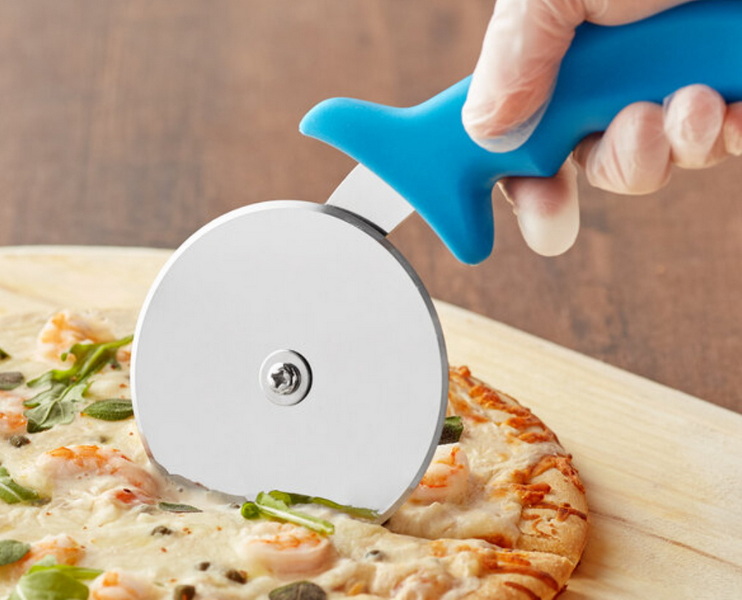
- Prepare a comprehensive spec sheet covering blade materials, hardness ranges, edge geometries, blade thickness, handle materials, finishes, packaging, labeling, and sanitary requirements. Align these with target market regulations and customer expectations.
- Compile a list of required certifications and testing reports to request during the RFQ process.
- Prioritize manufacturers with proven OEM experience, visible certifications, and transparent communication. Distinguish between true manufacturers and multi-brand trading outfits by requesting factory information and production capabilities.
- Request physical samples or virtual demonstrations to evaluate cutting performance, ergonomic feel, and packaging presentation. Assess consistency across multiple samples and batch-to-batch stability.
- Conduct a factory audit (onsite or remote) to verify QA infrastructure, equipment condition, and workplace safety. Combine audit findings with third-party test data and supplier-provided QC records.
- Start with a pilot run to validate design feasibility, production readiness, packaging integrity, and communication cadence before scaling to full production.
- Avoid vendors that rely primarily on intermediaries for core manufacturing without visibility into factory operations. Direct factory engagement typically yields better QA alignment and timeliness.
- Be cautious of vague or unverifiable material specifications, unclear certifications, or missing batch traceability. Insist on third-party test reports and clear documentation of compliance.
- Company overview: include location, years in business, core capabilities (OEM/ODM), and notable international clients.
- Capabilities: detail product range, customization options, tooling, prototyping speed, and QA processes.
- Certifications and compliance: list ISO 9001, food-safety standards, and market-specific certifications relevant to target regions.
- Case studies and media: present anonymized success stories and a media kit with high-quality product imagery and demonstration videos.
- Selecting a reliable pizza cutter manufacturer is pivotal for product quality, brand reputation, and international market success. Prioritize partners with rigorous QA systems, clear certifications, robust OEM capabilities, and proven experience with foreign brands. A careful, staged supplier relationship—encompassing specification clarity, transparent testing, pilot production, and strong after-sales support—enables faster time-to-market, reduced risk, and scalable growth.
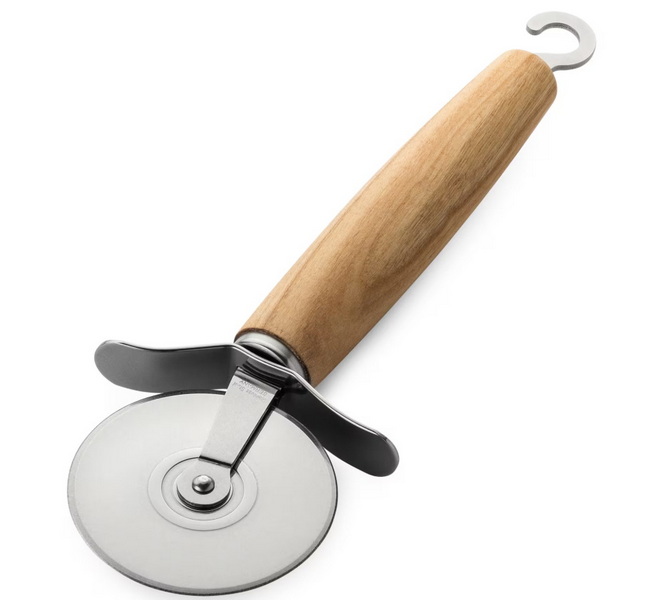
- High-carbon stainless steels and corrosion-resistant stainless alloys are typical, chosen for edge retention and hygiene. Hardness and heat treatment influence sharpness retention and longevity.
- A factory audit provides direct insight into QA practices, equipment condition, labor safety, and process controls, complementing certifications and sample testing.
- A clear warranty should cover manufacturing defects, specify claim windows, define responsibilities for shipping costs, and outline replacement or repair processes.
- Yes. Private-label capabilities often include laser etching, customized packaging, and label design aligned with brand guidelines.
- Consistent on-time delivery, transparent communication, enforceable certifications, traceable lot records, and positive international client references are strong reliability signals.


