- All
- Product Name
- Product Keyword
- Product Model
- Product Summary
- Product Description
- Multi Field Search

Views: 222 Author: Ann Publish Time: 2025-08-11 Origin: Site


Content Menu
● Tradition in Knife Making: The Foundation of Quality
● Modern Innovation: Materials and Design Enhancements
● What Does a Modern-Traditional Knife Set Include?
● Benefits of Combining Tradition with Modern Innovation in Knife Sets
● OEM Services: Customizing Your Knife Set with Tradition and Innovation
● Care and Maintenance Tips for Long-Lasting Knife Sets
● Frequently Asked Questions (FAQs)
>> Q1: Why choose a knife set that combines traditional and modern methods?
>> Q2: What materials are best for a high-quality knife set?
>> Q3: How to maintain a modern-traditional knife set?
>> Q4: Can an OEM factory customize knife sets for branding?
>> Q5: What knives should be included in a comprehensive kitchen knife set?
In the world of culinary arts, the right knife set is essential for both professional chefs and home cooks. A knife set that combines tradition with modern innovation offers the perfect balance of timeless craftsmanship and contemporary technology, enabling precision, durability, and comfort. As a Chinese kitchen knife factory providing OEM services to international brands, wholesalers, and manufacturers, we specialize in delivering knife sets that marry heritage techniques with cutting-edge materials and design.
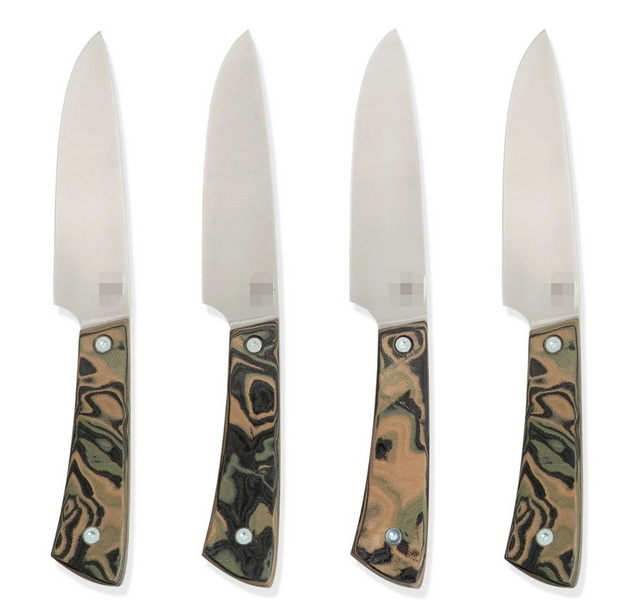
Traditional knife making is rooted in centuries of careful handcrafting, attention to detail, and mastering the forging process. In China, as in other cultures, the heritage of blade making involves:
- Use of hand-forging techniques that enhance blade strength and durability.
- Incorporation of natural materials like carbon steel or layered Damascus steel to achieve a sharp, long-lasting edge.
- Handles crafted from wood or pakkawood, shaped ergonomically for comfort and control.
- Full tang construction for balance and solidity.
These traditions are reflected in knives that are not just tools but pieces of art and cultural history. Traditional craftsmanship ensures durability and sharpness suitable for varied culinary tasks.
The artistry and discipline involved in traditional forging methods, such as repeated heating, hammering, and folding of the steel, result in blades with exceptional strength and flexibility. These techniques create unique patterns on the steel surface, like those in Damascus knives, which not only add aesthetic value but also improve blade performance. Moreover, the choice of handle materials in traditional knives speaks to the cultural importance of comfort and durability—natural woods are often selected for their tactile warmth and resilience over time.
Modern innovation in knife sets focuses on material science and ergonomic design to improve performance and user experience:
- High-carbon German stainless steel and Japanese super steel (such as AUS-10V) are now widely used for blades. These materials combine rust resistance, exceptional sharpness, and edge retention.
- Handles are made from food-safe polymers, G10 composite, or stabilized wood to resist moisture, heat, and wear while providing a comfortable grip.
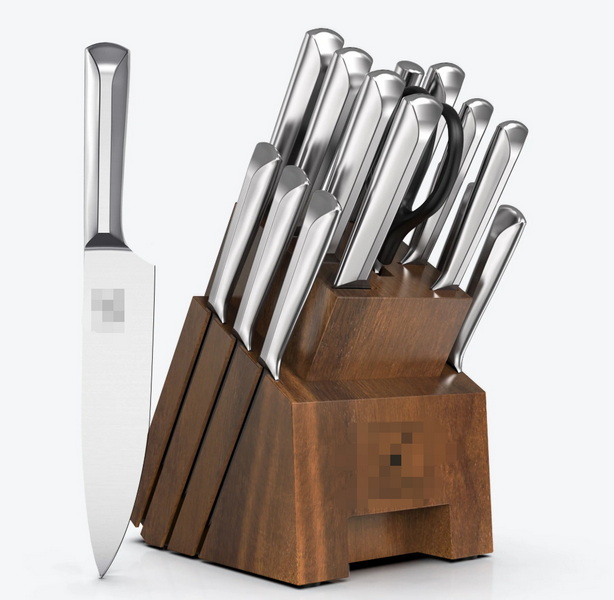
- Knife blocks come with angled slots to protect blade edges and smart safety features preventing tipping, designed to optimize kitchen countertop space.
- Precision engineering with edge angles as low as 8-12 degrees per side ensures razor-sharp cutting performance, facilitating every slice and dice with minimal effort.
- Advanced heat treatment processes improve steel toughness and hardness without sacrificing blade flexibility, extending the lifespan of the knives significantly.
Beyond materials, the ergonomic improvements focus on reducing user fatigue and enhancing control. Handles are designed to fit the contours of the hand, providing textured grips that prevent slipping even when wet. Additionally, innovations such as balanced weight distribution ensure that the knife feels natural during use, which is critical for professional chefs who rely on these tools for hours on end.
A balanced knife set tailored for diverse cooking needs typically includes:
| Knife Type | Function |
|---|---|
| Chef's Knife | Multipurpose for chopping, slicing, dicing |
| Santoku Knife | Japanese style for precision cutting |
| Paring Knife | Handling small, intricate tasks |
| Bread Knife | Serrated for slicing crusty bread |
| Utility Knife | For medium-sized cutting jobs |
| Steak Knives | For cutting cooked meat at the table |
| Carving Knife Set | For roasts, turkeys, and special occasions |
These knives are often housed in an elegant block made of walnut or acacia wood, ensuring organization and easy access.
In some premium sets, you'll also find specialty knives adapted to specific culinary traditions, such as a boning knife for filleting fish or a cleaver designed for heavy-duty chopping of bones and tougher ingredients. These additional tools broaden the versatility of the set while maintaining the harmony of traditional craftsmanship and modern design.
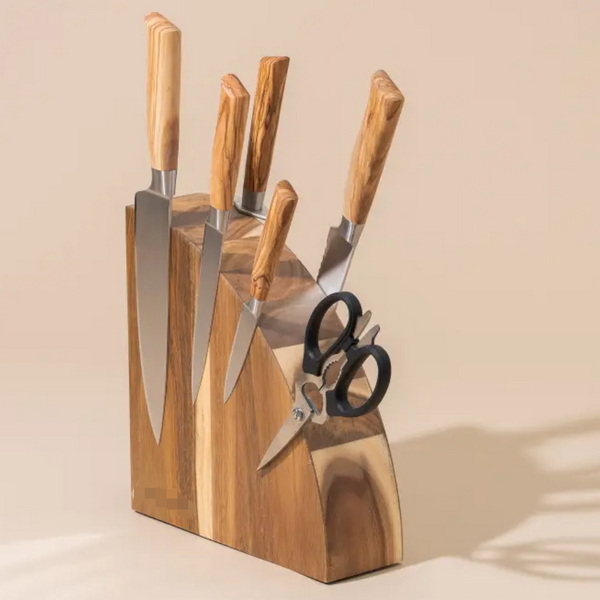
- Superior Sharpness and Longevity: Traditional forging techniques combined with modern steel provide blades that maintain sharpness for longer use.
- Enhanced Durability: Modern rust-resistant materials reduce corrosion while traditional methods ensure structural integrity.
- Ergonomic Comfort: Contemporary handle materials and shapes reduce fatigue, allowing longer use without discomfort.
- Aesthetic Appeal: The natural beauty of wood handles and the sleek finishes of modern blocks create elegant kitchen centerpieces.
- Versatility: A well-curated knife set covers a broad spectrum of kitchen tasks, suitable for both everyday cooking and special culinary projects.
- Environmental Responsibility: Some factories now integrate eco-friendly practices in sourcing wood for handles and minimize waste during steel processing, aligning with modern sustainability trends.
- Consistent Quality Control: Combining tradition with technology allows strict quality checks at every stage, ensuring each knife meets international standards for performance and safety.
Our factory specializes in OEM services, allowing brands to:
- Customize blade materials, including high-carbon steels or innovative alloys.
- Choose handle styles from traditional wood to modern composites.
- Design unique knife blocks or packaging tailored to brand identity and market preferences.
- Incorporate logos, engravings, and other personalization features.
- Ensure quality control adhering to international standards, including rust resistance, edge precision, and ergonomic design.
- Collaborate on innovative product development, blending client ideas with our manufacturing expertise.
This flexibility helps businesses create exclusive knife sets that meet target consumers' demands and market trends, all while preserving craftsmanship and quality.
To extend the life and performance of your modern-traditional knife set, it is important to practice proper care and maintenance:
- Always hand wash knives with mild soap; avoid soak or dishwasher use that can damage blades and handles.
- Dry knives immediately after washing to prevent rust, especially for carbon steel blades.
- Use a honing rod regularly to maintain the cutting edge; schedule professional sharpening periodically depending on use frequency.
- Store knives safely in blocks or magnetic strips to prevent dulling and accidents.
- Avoid cutting on hard surfaces such as glass or granite; prefer wooden or plastic cutting boards.
- Inspect handles and blades periodically for signs of wear or damage to maintain safety and effectiveness.
Proper maintenance not only preserves the function but also respects the legacy of traditional craftsmanship combined with modern improvements.
A knife set that marries tradition with modern innovation represents the ultimate kitchen tool, offering unmatched sharpness, durability, ergonomic comfort, and beauty. By respecting time-honored craftsmanship while integrating advanced materials and smart design, these knife sets meet the evolving needs of chefs and home cooks worldwide. For international brands and wholesalers seeking high-quality OEM solutions, partnering with a skilled Chinese factory ensures access to premium products that honor tradition and embrace modernity.
A1: It provides the durability, precision, and comfort of traditional craftsmanship with the material performance and ergonomic design of modern innovation, enhancing overall kitchen experience.
A2: High-carbon German steel or Japanese super steel for blades, combined with pakkawood or composite handles offer long-lasting sharpness and durability.
A3: Regular honing, proper drying after washing, and using magnetic strips or blocks for storage maintain the edge and prevent rust.
A4: Yes, OEM factories provide customization options, including blade material, handle design, packaging, and logo engraving.
A5: Essential knives include a chef's knife, paring knife, bread knife, utility knife, and steak knives, augmented with carving knives if needed.


