- All
- Product Name
- Product Keyword
- Product Model
- Product Summary
- Product Description
- Multi Field Search

Views: 222 Author: Ann Publish Time: 2025-10-22 Origin: Site


Content Menu
● Handle Materials & Ergonomics
● Edge Construction & Maintenance
● FAQs
>> Q1: What is the best blade material for a paring knife?
>> Q2: How should I care for a paring knife to extend its life?
>> Q3: What size paring knife should I choose?
>> Q4: Are Damascus or pattern-welded blades better for paring knives?
>> Q5: What are common OEM customization options?
As a China-based kitchen knife factory offering OEM services to foreign brands, wholesalers, and manufacturers, we understand how critical it is to pick the right paring knife for precise tasks in professional kitchens and home use. This comprehensive guide expands on materials, blade types, ergonomics, care tips, branding considerations, and practical buying strategies to help your brand communicate value to customers while optimizing production choices. By emphasizing the Paring Knife as a core tool in professional prep, this article serves as a practical resource for product developers, marketers, and OEM partners seeking to align on quality, aesthetics, and performance.

A paring knife is a small, versatile blade designed for delicate tasks like trimming, peeling, coring, and intricate cutting. Its compact size (typically 3.5 to 4.5 inches) enables precise control, making it a staple in professional kitchens and home setups. When you market paring knives, emphasize precision, comfort, edge retention, and durability. For OEM programs, highlight customization options such as blade finish, handle design, tang construction, bolster styling, and packaging that aligns with customer brand aesthetics. A well-chosen paring knife complements larger knife sets, helping chefs and home cooks complete fine-detail work with speed and confidence.
The paring knife family includes several distinct shapes designed for specific tasks. The classic pointed paring knife excels at peeling and trimming small contours. The Bird's Beak (or Score) paring knife is ideal for delicate fruit shaping and decorative work. Some models feature a tip-forward or tanto-like tip to enable precise incisions in tight spaces. In regions embracing multifunctional tools, a Santoku-style paring knife offers a broader blade for slicing and garnishing tasks. When developing OEM lines, clarify which shapes are produced, the intended culinary tasks, and how blade geometry affects control, safety, and ease of sharpening.
Selecting blade material influences edge retention, corrosion resistance, ease of sharpening, and overall value perception. Key blade materials commonly used for paring knives include:
- Stainless steel (including X-grade, 420/440-series equivalents): Excellent corrosion resistance and low maintenance, suitable for general use and dishwasher-safe designs in some models.
- High-carbon stainless steel (HRC around 58–60): Balances sharpness, edge retention, and corrosion resistance. Widely favored for kitchen knives intended for professional and home use.
- Damascus or pattern-welded steel: Distinctive layered appearance with premium marketing appeal. Performance depends on the base steel and heat treatment; often paired with high-end handles.
- Premium steels (VG-10, SG2, M390 equivalents): Offer superb edge retention, toughness, and corrosion resistance for flagship lines, though at higher production costs.
- Specialty steels (Powder metallurgy powders such as ZDP-189 equivalents): For extreme hardness and long edge life; typically reserved for premium customer segments.
For OEM collaborations, provide precise specifications: base steel type, hardness (HRC), heating/tempering process, and any surface finishes (mirror, satin, or stonewashed). Transparent data helps buyers compare performance across models and supports consistent manufacturing quality.
Paring knives come in various shapes to suit different tasks and branding narratives:
- Classic pointed paring: Slim, versatile tip ideal for trimming skins, de-veining, and detailed work.
- Bird's Beak (score): Very small, curved blade for delicate peeling and shaping of fruit and vegetables.
- Tip-forward paring: Narrow, precise tip for intricate incisions and micro-detail work.
- Santoku-style paring: Slightly wider blade offering more versatility for small slicing tasks and garnish work.
- Serrated paring: Small serrations facilitate working with slightly tough skins or citrus zest with reduced slipping.
For OEM partnerships, define which shapes you offer, intended culinary tasks, and how blade geometry influences control and safety. Edge geometry matters: bevel angle, flat-ground versus hollow-ground profiles, and micro-bevels affect cutting feel, edge retention, and ease of maintenance. Clear engineering data supports accurate marketing claims and enables consistent production tolerances across batches.
A comfortable handle reduces fatigue during long prep sessions and enhances tactile feedback during delicate cuts. Common handle materials include:
- Pakkawood and Micarta: Durable, moisture-resistant, and aesthetically appealing; widely used in premium lines for their tactile quality.
- Polypropylene (PP) and ABS: Cost-effective, dishwasher-safe, lightweight, and easy to color-match with branding.
- G10 or layered composites: High durability and moisture resistance with premium tactile feel; often used in professional lines.
- Stainless steel handles with polymer inlay: Modern aesthetics with easy cleaning.
- Full-tang vs partial-tang: Full-tang construction generally offers better balance, durability, and long-term reliability under professional use.
Ergonomic considerations matter: finger grooves, palm swell, balance point, and limb alignment influence control for fine tasks like peeling citrus zest or shaping vegetables. For OEM programs, offer multiple handle scales, textures, and color options to fit different markets and branding needs. Consider adding optional texturing, anti-slip coatings, and logo placement opportunities on the handle.
Edge quality is central to performance and customer satisfaction:
- Beveling: Most kitchen paring knives use double-beveled edges for universal use, but single-bevel blades exist for specialized professional tasks or cultural preferences.
- Grinding and honing: Precise bevels around 15°–18° per side (Western-style) provide sharpness; micro-bevels around 0.5°–1° can improve durability and edge life.
- Edge finishing: Mirror-polished, satin, or matte finishes affect aesthetics, corrosion behavior, and maintenance routines.
- Sharpening guidance: Provide user-friendly sharpening recommendations, including stone grit ranges (e.g., 1000–6000 for regular maintenance) and compatible sharpening tools (whetstones, ceramic rods, guided sharpeners).
Maintenance tips to include in product details:
- Hand-wash recommended; dry immediately to minimize corrosion risk and preserve edge life.
- Regular sharpening with a fine whetstone or ceramic rod maintains a keen edge.
- Avoid cutting on hard materials such as bones or frozen foods that can chip edges; use appropriate tools for heavy-duty tasks.
- Store safely in a knife block, magnetic strip, or sheath to prevent accidental contact and edge damage.
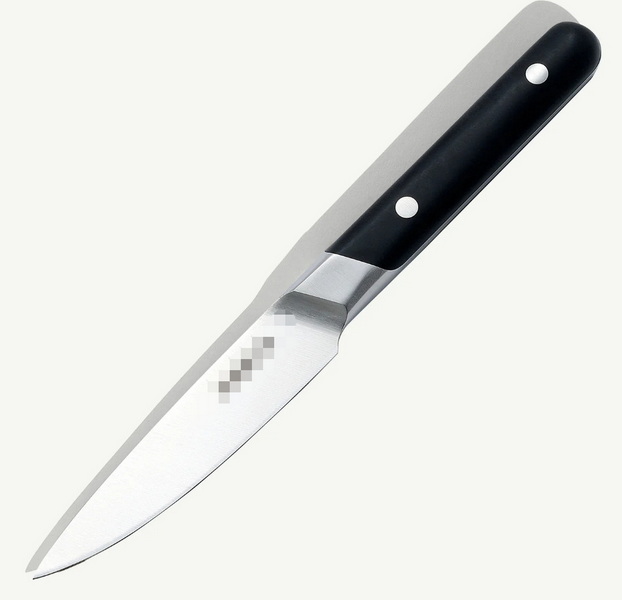
- 3.5–4.0 inches: Ideal for peeling, trimming herbs, de-veining small shrimp, and decorative garnishes. This range is favored by professional chefs for precise detail work and by home cooks who value maneuverability.
- 4.0–4.5 inches: Balanced for more versatile use, including small fruit work, de-pithing, and skin removal. A slightly longer blade can provide more reach while preserving control.
- Proportional design: The blade length should harmonize with handle length to achieve a comfortable balance point. For OEM lines, offer matched blade/handle sets with consistent balance and weight across models.
Use-case scenarios to help brand buyers map to target markets: restaurant kitchens requiring precise prep, hotels with banquet-style cooking, catering services that demand efficiency and consistency, culinary schools for training, and home cooks seeking professional-grade tools. Providing application notes and demonstration captions enhances product pages and marketing collateral.
- Material transparency: Provide clear specifications (blade steel type, hardness, heat treatment, corrosion resistance). OEM buyers expect consistency of performance across production batches and reliable supplier chains.
- Packaging and imagery: Invest in high-resolution images and videos that showcase blade edge geometry, handle grip, and quick-use demonstrations such as peeling citrus or performing delicate micro-cuts. A short, captioned video showing a peeling action can significantly elevate perceived value.
- Customization options: logo engraving, handle materials, color finishes, blade finishes (mirror, satin, stonewashed), packaging design, and accessory offerings like sheaths, magnets, or storage blocks. Consider regional branding preferences and regulatory requirements for packaging and labeling.
- Quality control and compliance: Outline inspection protocols (blade straightness, edge sharpness, handle alignment, tang integrity) and provide documentation such as material certificates and heat-treatment logs. A robust QC story helps build trust with international buyers.
- After-sales support: Offer warranties, replacement parts, and clear service channels. Provide guidance on repairability and long-term maintenance to reduce downtime for customers.
- Always handle paring knives with care; keep fingers away from the blade edge.
- Use a stable cutting board to prevent slips; avoid hard surfaces that dull or chip blades.
- Hand-wash and dry promptly to preserve corrosion resistance and edge life.
- Store in a knife block or magnetic strip designed to minimize contact with other utensils.
- Use protective sheaths or blade covers when transporting or storing for travel or catering events.
- Blade material and hardness (HRC)
- Edge geometry and grind (double vs single bevel; micro-bevels)
- Handle material and tang construction
- Weight, balance, and ergonomics
- Packaging options and branding potential
- Lead times and MOQs (minimum order quantities)
- After-sales support and warranty terms
- Availability of related accessories (sheaths, magnetic strips, knife blocks)
Paring Knife selections should balance material performance, ergonomic design, and branding flexibility for OEM partners. A well-communicated paring knife story supports better consumer education, higher conversion rates, and stronger partnerships with distributors and retailers. This guide serves as a reference for product development teams and marketing content creators to align on quality, aesthetics, and customer-facing storytelling.
A1: High-carbon stainless steel (HRC around 58–60) is a widely favored balance of sharpness, edge retention, and corrosion resistance. It performs well in professional kitchens and home use with reasonable maintenance.
A2: Hand wash with mild detergent, dry promptly, and use a fine whetstone or ceramic rod to maintain the edge. Store in a knife block or magnetic strip to protect the blade and prevent accidents.
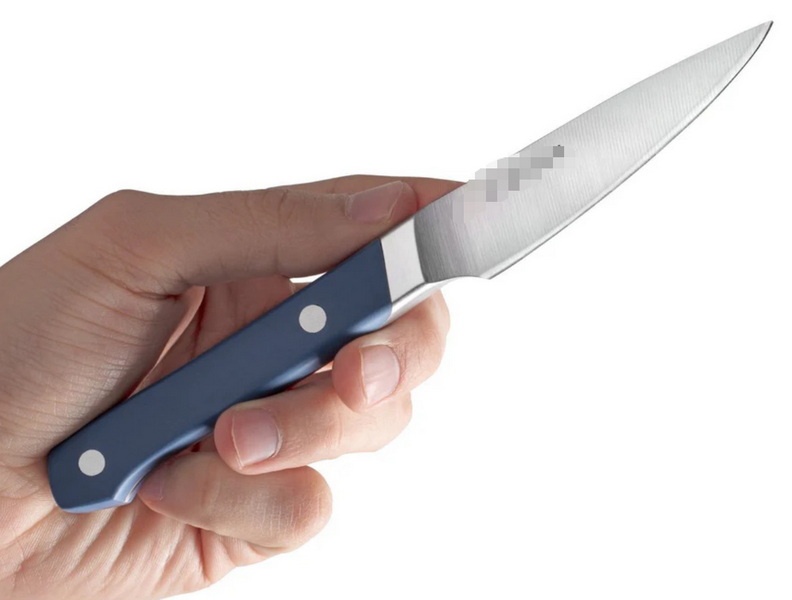
A3: Most users prefer 3.5 to 4 inches for precise tasks; 4.5 inches offers a bit more versatility while preserving control for delicate work.
A4: Damascus blades offer aesthetic appeal and competitive edge retention, but performance depends on the base steel and heat treatment. They are often chosen for premium lines with strong marketing stories.
A5: Logo engraving, handle materials, blade finishes, packaging design, and optional accessories like sheaths or magnetic blocks. It is also common to customize packaging language and regional labeling to meet market regulations.


