- All
- Product Name
- Product Keyword
- Product Model
- Product Summary
- Product Description
- Multi Field Search

Views: 222 Author: Ann Publish Time: 2025-11-13 Origin: Site


Content Menu
● Core Factors That Define Durability
● Materials Matter: Blade Composition and Coatings
● Geometry That Aids Longevity
● Ergonomics and Build Quality
● Maintenance Habits That Extend Life
● Practical Buying Guidelines: What to Look For
● Value Proposition: Budget vs Premium
● Real-World Scenarios and Testing Protocols
● Practical Buying Guide Checklist (Expanded)
● Industry Insights: Why Durable Pizza Cutters Matter
● FAQ
>> What is the best material for aPizza Cutter blade?
>> How should aPizza Cutter be maintained to maximize lifespan?
>> Are Pizza Cutters dishwasher-safe?
>> Which design is best for busy commercial kitchens?
>> How long does a durable Pizza Cutter last under daily use?
This comprehensive guide delves into what makes a pizza cutter durable, how blade design and material choices impact longevity, and practical strategies to select a cutter that withstands the rigors of daily kitchen use. From ergonomic handling to maintenance routines, this article equips readers with a clear path to choosing a tool that combines reliability, performance, and value. The keyword Pizza Cutter is woven throughout to reinforce relevance for buyers researching dependable cutting tools for home and professional use.
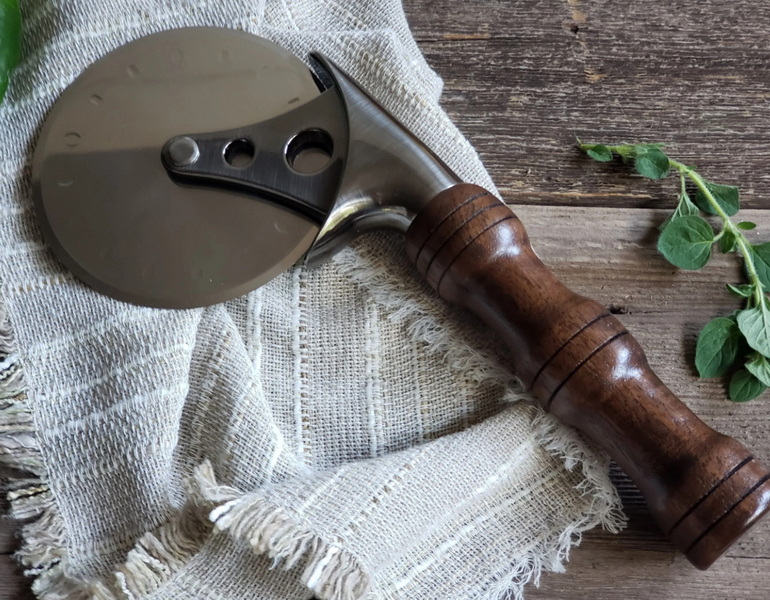
A durable Pizza Cutter hinges on four pillars: blade material, blade geometry, handle ergonomics, and overall construction quality. Stainless steel blades resist corrosion and maintain sharpness with routine use, while high-grade alloys can offer superior edge retention when paired with proper care. The design of the wheel or blade—whether round, curved, or rocker—affects cutting efficiency, control, and longevity. Finally, robust attachment methods (rivets, screws, or snap-fit joints) determine how well the tool holds up to heavy, repetitive slicing.
Stainless steel blades are the workhorse for most Pizza Cutters due to their corrosion resistance and low-maintenance profile. Look for blades with hardness ratings that strike a balance between sharpness and durability, ensuring the edge stands up to cheese, toppings, and crust without dulling quickly. Carbon steel offers exceptional initial sharpness but requires meticulous drying and occasional oiling to prevent rust, making it more suitable for users who follow strict cleaning routines. Some premium offerings employ coated or reinforced blades to resist wear and staining, extending service life in busy kitchens.
Blade geometry—wheel diameter, thickness, and edge profile—directly influences durability and performance. Larger wheels cover more cutting surface per stroke but may demand steadier handling; thicker blades provide ruggedness but can feel heavier during use. Edge geometry that minimizes snagging on toppings and crust irregularities reduces wear on both the blade and the user's wrist. Rocker and curved designs offer distinct control advantages in various crust types, making the right geometry a critical durability choice for different applications.
An ergonomic handle reduces fatigue, enabling longer service life for both home cooks and professionals. Non-slip textures, balanced weight distribution, and comfortable grip contours enhance control during repetitive cutting, lowering the risk of accidents and mishandling that could compromise durability. The connection between blade and handle should be tight and vibration-free; looseness can accelerate wear and lead to component failure. In commercial settings, professional-grade Pizza Cutters often feature reinforced joints and easier maintenance access, which translates into longer usable lifespans under heavy use.
Sustained durability begins with proper care. After use, rinse and dry the blade promptly to minimize corrosion risk. If dishwasher cleaning is not recommended for certain materials, follow manufacturer instructions to avoid coatings or finishes degrading. Periodic inspection of rivets, screws, and blade mounting helps catch loosening before it becomes a safety issue. For metal blades and carbon steel variants, light oiling or coating as advised by the maker can deter rust and preserve smooth operation. Establishing a routine cleaning and storage protocol contributes significantly to the long-term reliability of a Pizza Cutter.
- Material quality: prioritize blades with proven corrosion resistance and robust edge retention.
- Wheel or blade size: select based on typical crust thickness and topping density.
- Handling: ensure a comfortable, secure grip and balanced weight.
- Maintenance compatibility: confirm dishwasher-safe status and recommended cleaning methods.
- Replacement parts and warranty: verify availability of spare parts and a meaningful warranty.
- Safety features: consider blade guards or protective sheaths for storage and transport.
Budget Pizza Cutters are suitable for casual use, offering reasonable performance but potentially shorter lifespans under heavy daily use. Premium models tend to deliver superior edge life, smoother operation, and longer warranties, which can translate into lower total cost of ownership for frequent users or commercial environments. In high-volume kitchens, the upfront investment in a durable tool often yields meaningful savings through reduced replacement frequency and more consistent cutting results.
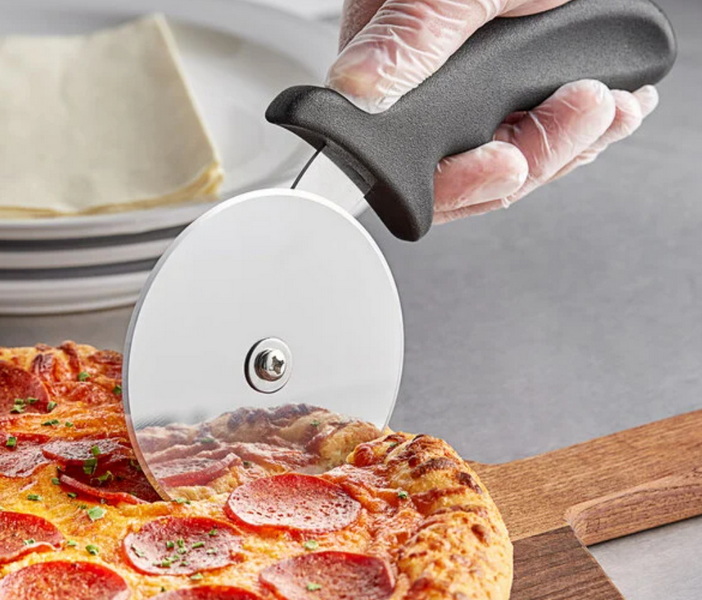
To assess durability, simulate typical workloads: cutting through thin, thick, and mixed crusts; repeated slices with dense toppings; and cleaning cycles including dishwasher or hand-wash routines. Document performance metrics such as glide smoothness, edge retention, and any looseness in components. A structured test protocol provides objective data to compare different Pizza Cutter models side by side, ensuring buyers select tools that endure real-world conditions.
- Blade material and hardness: choose based on expected use intensity and cleaning practices.
- Wheel/blade diameter and thickness: match to crust thickness and desired speed.
- Handle comfort and balance: test for fatigue resistance in prolonged sessions.
- Cleaning and maintenance: confirm recommended methods and drying steps.
- Warranty and parts: prioritize brands with comprehensive coverage and easy access to replacements.
- Additional features: ensure added accessories do not compromise core durability or safety.
- Overlooking maintenance requirements that, if ignored, accelerate wear.
- Choosing a design that looks impressive but fails under heavy, repetitive use.
- Ignoring availability of replacement parts or service support from the manufacturer.
- Selecting designs that compromise grip or weight distribution in real-world use.
In professional kitchens and robust home setups, a high-quality Pizza Cutter reduces fatigue, improves consistency, and minimizes downtime due to tool failures. Durable cutters contribute to safer food prep by maintaining sharp edges that require fewer passes, lowering the risk of slips or accidental contact with hot surfaces. Sourcing reliable tools is essential for brand reputations and customer satisfaction in the broader kitchenware market.
Durability in a Pizza Cutter is a function of material science, precise geometry, ergonomic design, and disciplined maintenance. By prioritizing high-quality blade materials, reinforced construction, and thoughtful handling ergonomics, users can achieve reliable performance, safer cutting experiences, and longer tool lifespans. The most cost-effective choice often blends premium durability with practical maintenance, yielding lower replacement frequency and steadier results in both home kitchens and professional settings.
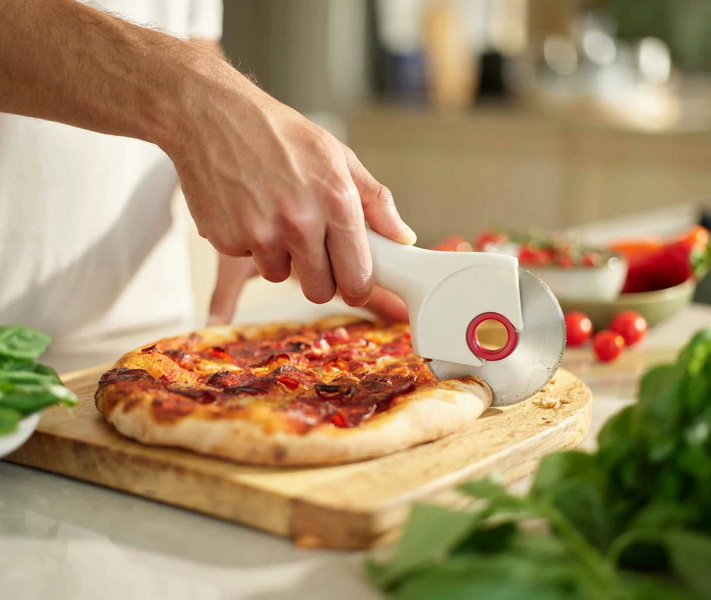
Answer: Stainless steel offers strong corrosion resistance and dependable durability, while carbon steel can provide exceptional initial sharpness with more maintenance. The optimal choice depends on usage patterns and cleaning practices.
Answer: Rinse and dry after use, follow manufacturer cleaning recommendations, check for loose screws, and perform any recommended sharpening or lubrication as advised. Regular upkeep preserves performance and longevity.
Answer: Many models are advertised as dishwasher-safe, but for premium blades or coatings, hand washing is often recommended to extend life and protect finishes. Always verify manufacturer guidance.
Answer: A design with a robust wheel/blade, ergonomic handle, and durable mounting, plus easy maintenance access and parts availability, tends to excel in high-volume environments.
Answer: With proper care and quality construction, a well-chosen Pizza Cutter can last several years of daily use, while budget options may wear faster under the same conditions.


