- All
- Product Name
- Product Keyword
- Product Model
- Product Summary
- Product Description
- Multi Field Search

Views: 222 Author: Ann Publish Time: 2025-11-24 Origin: Site


Content Menu
● Specialized Design for Cheese Types
● High-Quality Materials and Ergonomics
● Precision and Texture Preservation
● Enhancing Culinary Presentation
● Longevity and Investment Value
● Types of Professional Cheese Knives
● Performance in Professional Kitchen Settings
● Sustainability and Environmental Considerations
● Customization and OEM Opportunities
● Frequently Asked Questions (FAQs)
>> 1. Why do cheese knives have holes in the blades?
>> 2. Can I use a regular kitchen knife instead of a cheese knife?
>> 3. How do I choose the right cheese knife for different cheeses?
>> 4. What materials are best for a professional cheese knife?
>> 5. How should I maintain my cheese knife's sharpness?
Cheese knives are specialized tools designed to handle the unique textures and properties of various cheeses. A professional chef requires a cheese knife that not only cuts well but also preserves the integrity and appearance of the cheese served. This article explores the essential features, design aspects, and benefits of using professional cheese knives, explaining why these tools are indispensable in professional kitchens and fine dining setups.

A professional cheese knife is crafted with unique features that cater to different cheese varieties. Not all cheeses are the same; soft cheeses like Brie or Camembert need a knife that prevents sticking and tearing, while hard cheeses such as Parmesan require strong, sturdy blades. The typical professional cheese knife will have:
- Holes along the blade to reduce suction and prevent cheese from sticking while cutting.
- A thin, sharp edge that slices smoothly without crushing the cheese.
- Forked or pointed tips for easy lifting and serving.
- Different blade shapes specific to soft, hard, or semi-hard cheeses.
For example, soft cheese knives often have thin blades with holes, while hard cheese knives may look like small cleavers with more robust blades. This specialization ensures the best texture, flavor preservation, and ease of cutting that professional chefs demand.
Professional cheese knives are made from materials that enhance durability, hygiene, and ease of use. Food-grade stainless steel is the most common material due to its corrosion resistance, ease of cleaning, and ability to maintain sharpness. High-carbon steel and premium Damascus steel are also used for superior sharpness and aesthetic appeal in luxury knife collections. Handles are ergonomically designed for comfort during extended use and can be made from materials like pakkawood, acrylic, or polymers.
The design balances performance and comfort, with ergonomic handles that allow chefs to maintain control and precision without fatigue. Hygiene is critical in professional kitchens; cheese knives are easy to clean and resistant to odor absorption, which is essential for maintaining kitchen standards.
One of the core reasons chefs prefer professional cheese knives is their ability to create precise cuts that preserve the cheese's texture and flavor. Soft cheeses are particularly sensitive and can smear or lose their shape if cut with an improper knife. The right cheese knife reduces mechanical damage by minimizing friction and drag, allowing smooth, clean slices.
For hard cheeses, a sturdy blade with the right sharpness makes it easier to break or slice the cheese without crumbling. For example, knives designed for Parmesan allow breaking off chunks rather than cutting, preserving the grainy texture and flavor. By using the appropriate knife, chefs ensure their cheese presentations are elegant and appetizing.
Using professional cheese knives elevates the overall presentation of cheese platters and charcuterie boards. These knives not only perform well but also enhance the aesthetic appeal during serving. Many professional knives feature sleek designs and polished finishes, making them visually appealing in front-of-house settings such as upscale restaurants and wine bars.
The precise cuts improve the visual appeal of cheese servings, which is crucial in environments where presentation impacts the dining experience. Professional cheese knives communicate attention to detail and culinary craftsmanship, important elements in premium hospitality and catering services.
Investing in a professional-grade cheese knife is cost-effective in the long run. These knives are crafted for longevity and require proper maintenance to retain their sharpness and appearance for years. High-quality materials prevent corrosion and wear, making them durable for daily use in busy kitchens.
A well-maintained professional cheese knife reduces replacement costs and ensures consistent cutting performance. For manufacturers and brands, offering durable, high-quality cheese knives in their product lines represents both a practical value and a premium market positioning.
To fully comprehend what makes a cheese knife suitable for professional chefs, understanding the different types of cheese knives and their specific uses is critical. Different cheese textures require distinctly designed knives for optimal cutting and serving.
- Soft Cheese Knife: Designed for spreadable cheeses like Brie and Camembert, these knives feature thin blades often perforated with holes to prevent sticking. The forked tip helps pick up slices for serving without damage.
- Hard Cheese Knife: These sturdy knives have thick blades and reinforced handles that provide leverage for cutting through hard cheeses such as Parmesan and aged Gouda. The blades often have sharp edges for clean breaks.
- Cheese Cleaver: A semi-hard cheese specialist, the cleaver has a wide blade that enables uniform thick slices of cheeses like cheddar and gouda. It balances the need for force and delicate handling to maintain texture.
- Cheese Plane: Used for shaving thin slices, cheese planes work well with semi-soft cheeses like Havarti or Swiss. They are practical for fine presentations and garnishes.
- Parm Knife: Also known as the spade or almond knife, it has a sharp pointed tip designed for chipping off chunks of very hard cheeses, like Parmesan, elegantly and efficiently.
The best cheese knives for professional use combine superior craftsmanship and high-grade materials, ensuring performance and durability. Stainless steel provides the necessary corrosion resistance and ease of maintenance, while premium knives forged from high-carbon or Damascus steel offer unmatched sharpness and resilience. The handle design focuses on ergonomics to reduce hand fatigue, often shaped to align with the natural grip of chefs during repetitive cutting.
Quality craftsmanship in blade forging and handle construction guarantees smooth, consistent cuts that preserve cheese integrity and minimize crumbling or sticking. These features are vital in professional kitchens that demand speed, precision, and aesthetic excellence in service.
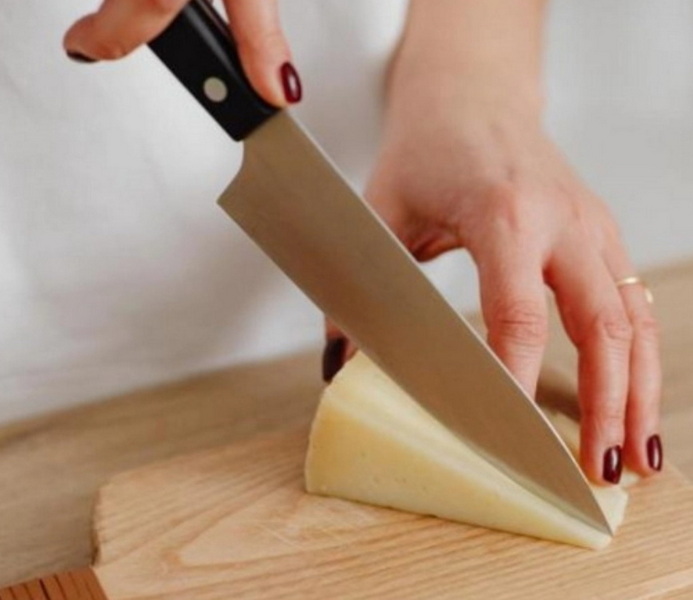
Maintaining a professional cheese knife is essential to sustain its functionality and longevity. Chefs are advised to hand wash knives immediately after use to prevent discoloration and corrosion often caused by acidic cheese residues. Avoiding dishwasher cleaning preserves blade sharpness and handle material integrity.
Regular honing and occasional sharpening keep the knife's edge precise, ensuring effortless slicing and minimal cheese damage. Storing knives in protective sheaths or on magnetic strips further protects blades from damage during busy kitchen operations.
In high-volume professional kitchens or gourmet restaurants, cheese knives must perform flawlessly under frequent use. Professional chefs often require a range of cheese knives available to cater to the diverse types of cheese served, from soft, creamy varieties to aged, crumbly blocks.
Having specialized cheese knives ensures chefs work efficiently without compromising presentation quality. Each knife's design reduces waste by cutting precise portions and maintaining the structural integrity of the cheese, crucial for customer satisfaction and premium dining experiences.
Cheese presentation is a vital part of the dining experience, especially in charcuterie boards, tasting menus, and upscale hospitality. Professional cheese knives contribute to this by enabling perfectly shaped portions that look inviting and elegant.
The correct knife also prevents tearing or smearing, which can detract from the cheese's appearance and texture. Well-cut cheese slices reflect a chef's skill and attention to detail, elevating the meal's overall quality and the establishment's reputation.
As sustainability grows in importance, many professional kitchens seek cheese knives made from eco-friendly materials and sustainable production methods. High-quality knives built to last reduce waste compared to disposable or low-quality alternatives.
Selecting knives from manufacturers that prioritize environmentally friendly practices helps businesses meet sustainability goals without sacrificing performance or quality. Long-lasting knives with easily replaceable parts also align with cost-efficient and sustainable kitchen management.
For kitchen knife manufacturers and suppliers serving professional chefs, opportunities abound in customizing cheese knives to brand specifications. OEM services can tailor blade shapes, handle materials, and packaging to align with client branding, market positioning, and target audiences.
Customization enhances product differentiation, meeting the unique needs of professional kitchens and marketing strategies of brands targeting gourmet or hospitality sectors. This OEM flexibility is a valuable competitive edge for manufacturers in the kitchenware industry.
A professional cheese knife is an essential tool for chefs who want precision, texture preservation, and aesthetic excellence when serving cheese. The specialized design tailored to different cheese types, high-quality materials, ergonomic construction, and the ability to enhance culinary presentation all make professional cheese knives indispensable in commercial kitchens. Investing in these knives guarantees long-term durability and elevates the cheese-serving experience, aligning with the standards of professional chefs worldwide.
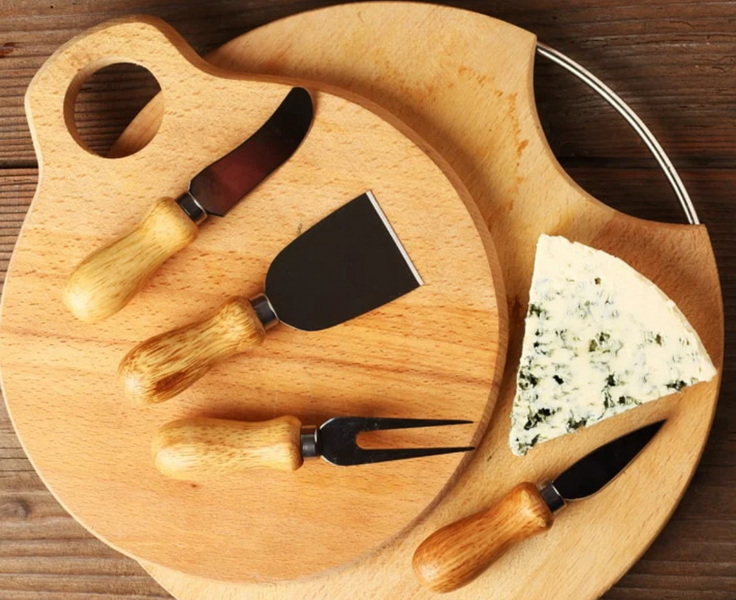
Holess reduce the surface area that touches the cheese, preventing sticking and making cleaner cuts.
Regular knives often crush or tear cheese and don't provide the precision and texture preservation of specialized cheese knives.
Soft cheeses require thin bladed knives with holes; hard cheeses need sturdy cleaver-like blades, and semi-hard cheeses benefit from knives with forked tips.
Food-grade stainless steel is common for durability, while high-carbon or Damascus steel offers sharper edges and luxury appeal.
Hand washing is recommended to avoid corrosion, and regular sharpening preserves blade precision.


