- All
- Product Name
- Product Keyword
- Product Model
- Product Summary
- Product Description
- Multi Field Search

Views: 222 Author: Ann Publish Time: 2025-11-11 Origin: Site


Content Menu
● What makes a great Bread Knife in the under-$30 tier
● Bread Knife families and how they align with OEM needs
● Key specifications to compare for OEM buyers
● Branding and packaging strategies for OEM programs
● Care and maintenance for longevity
● Practical usage tips for everyday bakers and professional kitchens
● OEM branding scenarios in depth
● Long-form content extension: deeper dives for reader value
● FAQ
>> Are bread knives under $30 durable for daily use?
>> What blade length is best for everyday slicing?
>> Can budget bread knives be branded for OEM programs?
>> How often should a budget bread knife be sharpened?
>> Is a forged-looking finish worth it on a budget knife?
Bread knives are essential tools in every kitchen, enabling clean, even slices without tearing crusts. For OEM suppliers and overseas brand owners, selecting a bread knife under $30 is about more than price: it is about reliability, manufacturability, and the ability to brand and scale. This article presents a comprehensive look at affordable Bread Knife options that deliver consistent performance for daily use, offers concrete criteria for evaluating them, and discusses how these knives can fit into OEM product lines with strategic packaging, warranties, and service options.

- Serration quality matters: A robust serrated edge that grips crusts without tearing crumb structure is critical for consistent results across bread types.
- Blade length matters: Most versatile options are in the 8–10 inch range, providing a good balance between control and slice width.
- Balance and grip: Even in budget knives, a comfortable, non-slip handle reduces fatigue during repetitive slicing tasks.
- Edge retention and durability: Materials and heat treatments in this price range vary; look for stainless steel with reasonable hardness and corrosion resistance.
- OEM considerations: For branding programs, stable tolerances, uniform finishes, and packaging compatibility are essential to minimize quality incidents across batches.
- 8-inch standard blade: A mainstream choice that pairs well with existing knife lines and OEM packaging solutions.
- 9-inch extended blade: A longer reach for bigger loaves; good for bakery-style lines or gift-packaged sets.
- Lightweight skews: Budget options that emphasize grip comfort and ease of use, often appealing for starter OEM programs.
- Forged-looking finishes at low cost: Some budget knives simulate a premium forged appearance, which can improve consumer perception; ensure actual material performance aligns with aesthetics.
- Bundled sets: Options sold as part of a budget knife set, increasing AOV (average order value) for retailers and feeder brands.
- Material: Stainless steel alloys commonly used in this tier; look for corrosion resistance and edge-holding tendencies.
- Blade geometry: Serration type, tooth count, and cut-through behavior across crusts and interiors.
- Handle design: Non-slip grip, ergonomic contouring, and compatibility with glove sizes in professional kitchens.
- Finish and coating: Note if coatings exist and how they will hold up in typical wash cycles, branding visibility on the blade, and compatibility with laser etching.
- Packaging fit: Whether the blade can be laser-etched with your logo and whether packaging supports your regional branding requirements.
- Packaging customization: Consistent typography, color schemes, and safety warnings across the line to preserve brand identity.
- Logo positioning and legibility: Ensure logos remain clear on metallic surfaces and in packaging inserts; consider matte vs. polished finishes and engraving compatibility.
- MOQ considerations: Align production capability with your launch plan; offer scalable MOQs to support pilot programs and full-scale rollouts.
- Warranty and after-sales: A straightforward warranty policy for OEM partnerships reduces risk for buyers and enhances brand trust.
- Cleaning guidance: Recommend hand washing to preserve serrations and edge finishes; avoid aggressive dishwasher detergents that can degrade metal and handle finishes.
- Sharpening guidance: Serrated Bread Knives require specialized tools or professional sharpening services; build relationships with suppliers who can maintain large batches for OEM customers.
- Storage and display: Provide protective sheaths or guards to protect the edge during transport and on retail displays; ensure packaging protects the blade during shipping.
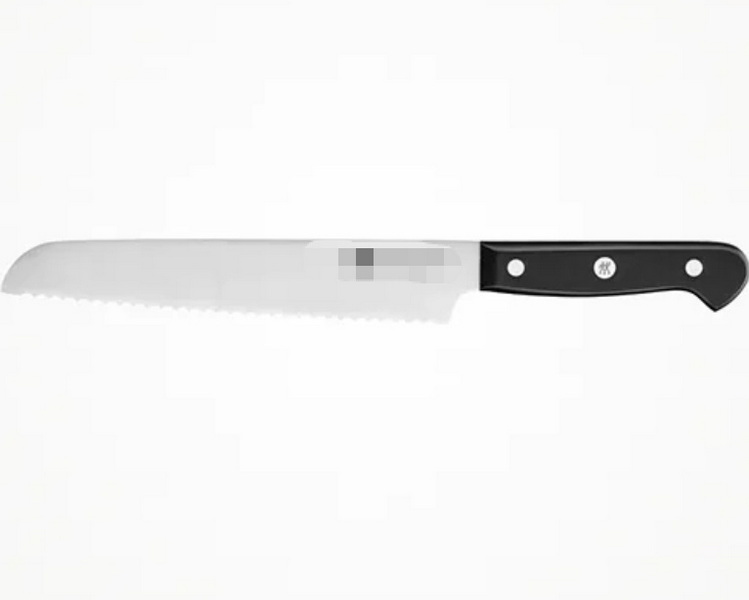
- Crumb control: Properly maintained serrations produce clean slices with minimal crumb damage, preserving the loaf's interior structure.
- Bread types and techniques: From soft sandwich loaves to crusty baguettes and rustic loaves, the right Bread Knife length and sharpness allow consistent slice thickness with steady motion.
- Safety considerations: Maintain a stable cutting surface, keep fingers away from the blade path, and use a controlled, steady sawing action.
- Retail branding strategy: Budget Bread Knives can anchor an OEM brand's entry-level tier, driving visibility and enabling cross-sell with higher-margin items.
- Catalog and e-commerce readiness: Prepare comprehensive spec sheets, care instructions, warranty terms, and high-quality lifestyle images to support retailers and direct-to-consumer channels.
- Regional customization and regulatory alignment: Adapt packaging language, iconography, and safety labeling according to regional requirements to improve market acceptance.
- Edge geometry and material science: Explore how serration tooth shape, tooth count, and edge geometry influence cutting efficiency and durability across bread types, including sourdough and ciabatta.
- Blade-length decision matrix: Provide a practical matrix showing when 8-inch vs 9-inch blades excel, including loaf dimensions, slicing angles, and typical kitchen workflows.
- Material and heat treatment overview: Compare common steels used in budget Bread Knives and how heat treatment affects hardness, toughness, and corrosion resistance; discuss why some brands may prioritize appearance over performance and how to verify real material quality.
- Maintenance workflows for scale OEMs: Outline a scalable maintenance program, including staff training, maintenance intervals, and partner sharpening services, to sustain performance across large orders.
The landscape of budget-friendly Bread Knife options offers many OEM-ready opportunities. By prioritizing serration quality, appropriate blade length, ergonomic handles, and packaging compatibility, brands can craft compelling, value-driven product lines that perform reliably in real kitchens. For OEM collaborations, align product strengths with brand identity, offer clear care and warranty information, and provide regional packaging variations to accelerate market entry. When executed thoughtfully, Under-$30 Bread Knives become not just tools for daily slicing, but foundational elements of a brand's reputation and a durable channel for ongoing partnerships.
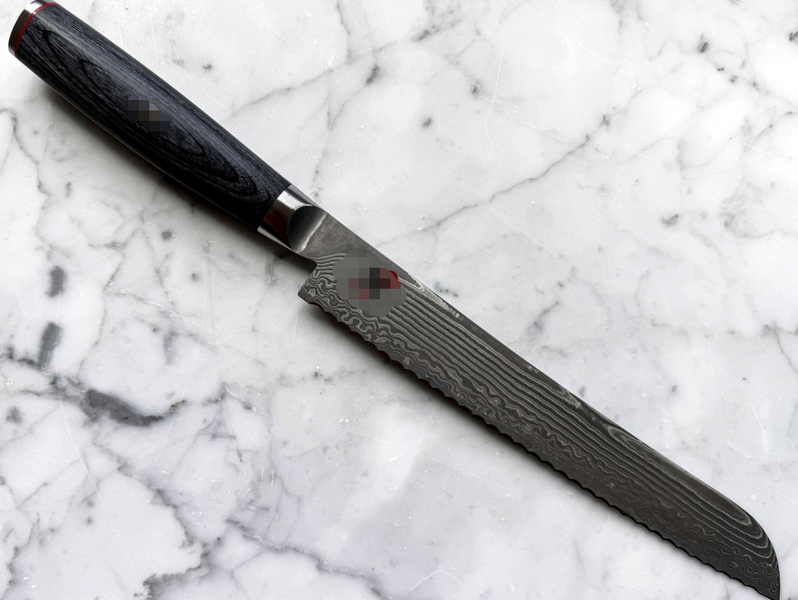
- Yes, many budget options deliver reliable performance for regular slicing when properly cared for and regularly maintained. For OEM projects, establish clear specifications for serration consistency, edge retention, and handle stability to ensure uniform performance across batches.
- An 8–10 inch blade generally offers the best balance of maneuverability and slice width for a wide range of breads, from sandwich loaves to artisanal crusts.
- Absolutely. Many manufacturers support branding at affordable MOQs, often with customizable packaging, logo placement, and care instructions.
- Serrated edges typically require less frequent sharpening than straight-edged blades, but routine maintenance depends on usage, cutting surfaces, and dishwasher exposure.
- It can enhance perceived value and consumer trust; verify that the underlying materials and construction meet durability expectations for long-term use.


