- All
- Product Name
- Product Keyword
- Product Model
- Product Summary
- Product Description
- Multi Field Search

Views: 222 Author: Ann Publish Time: 2025-10-09 Origin: Site


Content Menu
● Why Handle Material Matters in Butcher Knives
● Common Butcher Knife Handle Materials
>> Wood Handles
>> Composite Handles (Micarta, Resin-Based)
● Best Handle Shapes for Comfort and Grip
● Importance of Full Tang Construction
● How to Care for Butcher Knife Handles
● Incorporating Grip Enhancements
● Frequently Asked Questions (FAQ)
>> Q1: What handle material is best for a butcher knife?
>> Q2: Why is full tang important in butcher knives?
>> Q3: How do I maintain wooden butcher knife handles?
>> Q4: Are plastic handles slippery?
>> Q5: Can handle shape improve safety?
Butcher knives are essential tools in any kitchen where meat cutting and processing happen regularly. The performance of a butcher knife relies not only on a sharp blade but also on the handle, which greatly influences comfort, grip, and safety. This article explores the best handle types for butcher knives, focusing on comfort and grip to help users select knives that improve cutting experience and reduce fatigue during extended use.
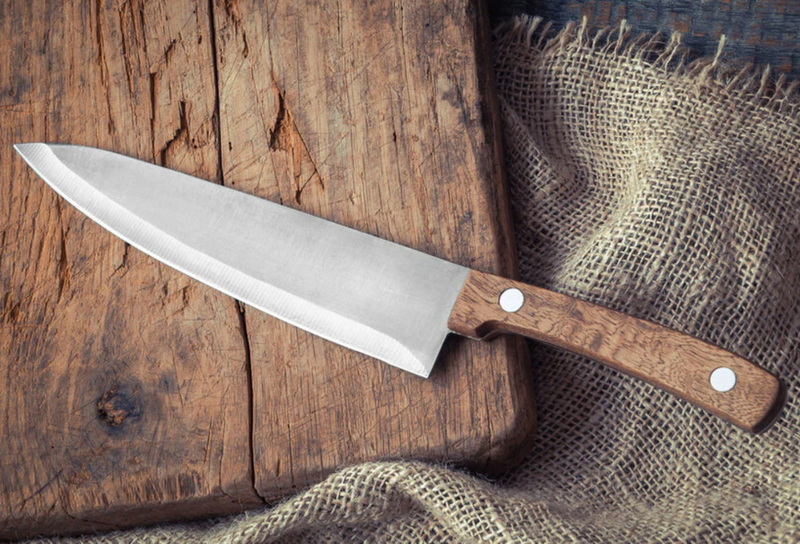
While the blade does the cutting, the handle is the part the user holds and controls, making it integral to overall knife performance. The handle material affects the knife's balance, weight, grip security, and how comfortable it feels in the hand. For butcher knives, good grip is crucial because users often work with raw meat, which can make handles slippery. Comfort is also important to prevent hand strain during prolonged use.
Wood is a traditional and popular choice for butcher knife handles. It provides a natural look and comfortable feel due to its warm texture and inherent grip characteristics. Types of wood commonly used include ebony, olive, rosewood, oak, walnut, and amaranth.
Advantages:
- Natural non-slip grip
- Comfortable to hold
- Aesthetically pleasing and classic design
Disadvantages:
- Requires regular maintenance such as oiling
- Can absorb moisture if not properly cared for, leading to warping or cracking
- Can harbor bacteria if not cleaned thoroughly
Plastic handles, particularly POM (polyacetal), are widely used in commercial butcher knives for their durability and hygiene. These handles are easy to clean and resistant to water and chemicals, making them suitable for professional kitchens.
Advantages:
- Hygienic and easy to sanitize
- Low maintenance
- Affordable and lightweight
Disadvantages:
- Can feel slippery when wet unless textured
- Less premium look compared to wood
Composite handles combine resin with natural materials like linen or wood fibers. Micarta is a well-known composite used for its strength, durability, and resistance to moisture and heat.
Advantages:
- Durable and tough
- Good grip, often textured for safety
- Resistant to wear and tear
Disadvantages:
- Can be pricier than plastic or basic wood
- Quality varies by manufacturer
Metal handles, usually stainless steel or aluminum, offer a sleek and modern look and exceptional durability. They are easy to maintain but can get slippery and feel cold in the hand.
Advantages:
- Very durable and long-lasting
- Easy to clean and maintain
- Provides a modern aesthetic
Disadvantages:
- Can be heavy and unbalanced
- Slippery without rubberized inserts
- Cold sensation in hand during prolonged use
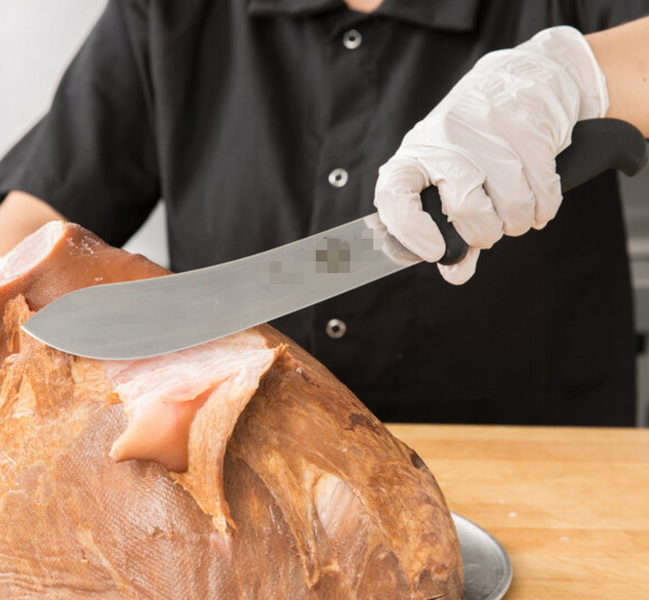
Beyond material, the shape of the butcher knife handle plays a significant role in comfort and control.
A D-shaped handle features a flat side that rests comfortably against the palm, offering a secure hold that reduces hand fatigue. This style is excellent for precision cutting and is common in Western butcher knives.
Wa handles are usually octagonal or oval, allowing excellent maneuverability and control. Lightweight with a comfortable grip, these handles are popular for their ergonomic design and aesthetic appeal.
These handles are designed to fit the natural curves of the hand, enhancing grip security and comfort even during prolonged work. Ergonomic contours prevent slipping and distribute pressure evenly.
Texturing materials or adding grooves increases friction and minimizes slippage, especially important when working with wet or greasy hands.
For butcher knives, a full tang design—where the blade's metal extends through the entire handle—is preferred. It adds strength, improves balance, and provides safety by preventing the handle from breaking or detaching during heavy use.
- Wood Handles: Regularly oil wooden handles with food-safe mineral oil to prevent drying and cracking. Avoid soaking in water or dishwashers.
- Plastic and Composite Handles: Easy maintenance with just hand washing and drying. Avoid abrasive cleaners.
- Metal Handles: Wipe dry promptly after washing to prevent water spots and maintain a non-slip surface if textured.
- General Care: Always hand wash butcher knives and dry immediately to protect the handle and blade.
Some butcher knives include handle inserts like rubber or synthetic grip pads that provide additional slip resistance and comfort. These are especially useful in professional kitchens where safety and efficiency are paramount.
Choosing the best handle type for a butcher knife is a balance between material, shape, and user preference. Wood handles offer comfort and aesthetics but require maintenance. Plastic and composites prioritize durability and hygiene with easier care. Metal handles provide strength but may lack comfort unless designed thoughtfully. The handle shape and full tang construction further influence grip security and comfort. Proper care ensures longevity and optimal performance. Understanding these factors will help you select butcher knives that maximize comfort and safety for your kitchen needs.
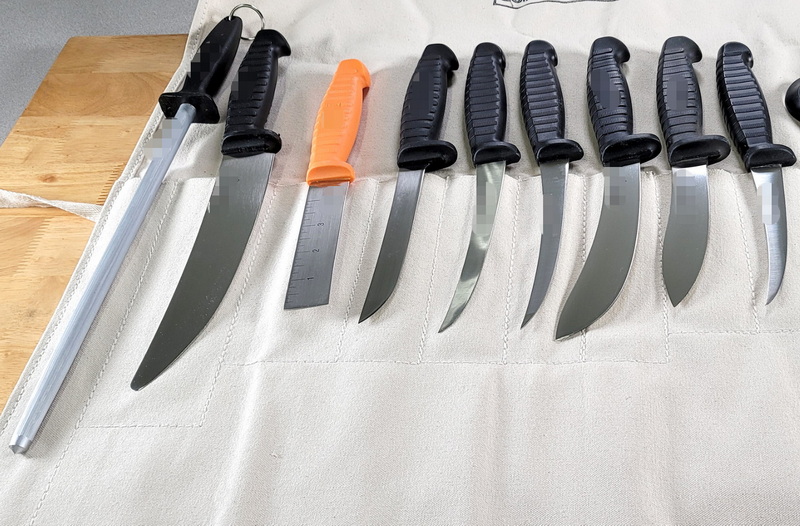
A1: Wood offers comfort and grip but requires maintenance; plastic and composites provide durability and hygiene; metal handles are robust but may feel less comfortable.
A2: Full tang construction ensures strength, balance, and safety by preventing handle breakage during heavy cutting tasks.
A3: Oil them regularly with mineral oil, avoid prolonged water exposure, and never place them in a dishwasher.
A4: Plain plastic can be slippery when wet, but textured or POM handles provide a better grip and are widely used in professional kitchens.
A5: Yes, ergonomic shapes like D-handles or contoured designs enhance grip security and reduce hand strain and accidents.


