- All
- Product Name
- Product Keyword
- Product Model
- Product Summary
- Product Description
- Multi Field Search

Views: 222 Author: Ann Publish Time: 2025-11-21 Origin: Site


Content Menu
● Understanding Cheese Knife Basics
● Types of Cheese Knife Blades
>> 3. Pronged Tip Cheese Knife
>> 5. Cheese Cleaver (Mini Cleaver)
● How to Choose the Right Cheese Knife for You
● OEM and Customization Opportunities
● Materials Used in Cheese Knife Manufacturing
● Maintenance Tips for Cheese Knives
● Additional Blade Types Worth Considering
>> Cheese Plane
>> Q1: What is the best Cheese Knife for beginners?
>> Q2: Is stainless steel better than carbon steel for Cheese Knives?
>> Q3: Can Cheese Knives be included in gift sets?
>> Q4: How should I maintain my Cheese Knives?
>> Q5: What is the minimum OEM order quantity?
Cheese lovers and professional chefs alike know how essential the right Cheese Knife is for cutting, slicing, and serving different cheese textures. Whether you're running a gourmet shop, a restaurant, or sourcing customized knives for your brand, understanding Cheese Knife blade types helps you choose the right design for both functionality and style.
In this guide, we'll compare various Cheese Knife blade types, explore their performance differences, and explain how your brand can benefit from OEM customization for your market.

A Cheese Knife is specially designed to cut cheese cleanly without sticking or breaking apart the slice. Unlike general kitchen knives, Cheese Knives come in different shapes, blade edges, and materials depending on cheese firmness.
Key design elements include:
- Blade perforations to reduce sticking.
- Forked or pronged tips for easy serving.
- Handle ergonomics for precision and control.
- Stainless or Damascus steel for durability and appearance.
OEM producers often tailor these design aspects for brand differentiation — offering unique handle materials, mirror-polished finishes, and laser-etched logos.
Different cheeses need different tools. Below are the major Cheese Knife blade types and how they perform.
Soft cheeses such as Brie, Camembert, or feta can stick easily to blades. A Soft Cheese Knife features thin, narrow, perforated blades that minimize surface contact and prevent sticking. Some have hollow edges for effortless glide.
Best for: Creamy and semi-soft cheeses.
OEM tip: Offer non-stick coatings or hollow grind finishes for upscale performance.
Thick, dense cheeses like Parmesan, Gouda, or aged Cheddar require a Hard Cheese Knife with a sturdy, weighted blade and robust spine. The edge is often straight or slightly curved to apply greater downward pressure.
Best for: Firm and aged cheeses.
OEM option: Full tang design with wood or G10 handles for premium feel.
Also called a “serving knife,” this versatile blade cuts medium cheeses like Havarti or Swiss. The pronged tip acts as a serving fork, letting users pick up slices elegantly without touching them.
Best for: Semi-hard cheeses and presentation serving.
OEM advantage: Attractive dual function adds value for home chefs and restaurants.
A minimalist yet effective tool, the Cheese Wire Cutter slices soft cheeses cleanly without applying pressure. Adjustable frames allow thickness control.
Best for: Creamy and delicate cheeses like blue or goat cheese.
OEM customization: Stainless steel frame, easy replacement wire design, or bamboo base.
Small but powerful, the Cheese Cleaver (or cheese chopper) is ideal for cube cutting or breaking hard cheeses. The flat blade shape also helps with portioning and plating.
Best for: Hard and semi-hard cheese blocks.
OEM feature: Laser-etched logo area for branding visibility.
When choosing a Cheese Knife, consider the following:
1. Cheese Texture – Match the blade firmness to cheese type.
2. Usage Environment – Home, restaurant, or retail serving.
3. Maintenance – Dishwasher-safe stainless steel vs. hand-polished options.
4. Aesthetic Appeal – Knife sets with matching handles elevate brand image.
5. OEM Potential – Create your own line of cheese knives under branded packaging.
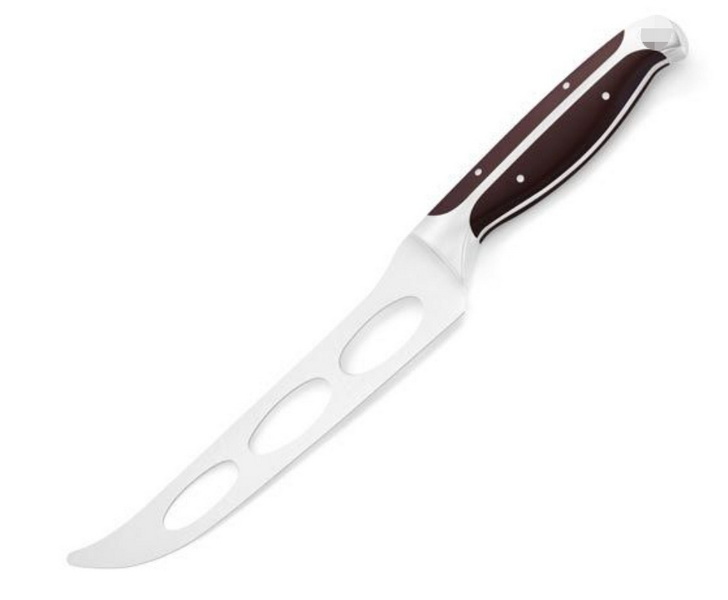
As a China-based kitchen knife factory, our OEM services enable customization across material, structure, and packaging design. We produce:
- Custom blade shapes tailored to different cheese categories.
- Handle materials: wood, resin, stainless, or dual texture.
- Branding options: laser engraving, logo stamping, or etching.
- Packaging: wooden box, paper sleeve, transparent gift box.
- Full knife set assembly with brand labeling.
Through OEM production, your company can offer distinctive Cheese Knife collections that meet your market style, from professional catering tools to household gift sets.
High-quality Cheese Knives are typically made from:
- Stainless Steel (420/430/440C) – Rust-resistant and affordable.
- Damascus Steel – Decorative layering with impressive sharpness.
- Carbon Steel – Ideal for high-end professional collections.
- Titanium Coating – Adds color and surface hardness.
Handle options include pakkawood, G10, acacia, ABS plastic, or stainless steel. The right combination delivers performance and luxury appeal.
To extend longevity:
- Wash immediately after cutting soft cheese to avoid residue buildup.
- Dry thoroughly before storage.
- Sharpen occasionally with fine-grade whetstone.
- Store separately from regular knives to protect fine edges.
Besides the main blade types discussed, other specialized knives offer unique benefits:
Also called a Parmesan knife or chisel knife, it has a short, robust blade with a pointed tip. It's designed to chip off chunks from crumbly, aged cheeses like Parmesan or Pecorino. The pointed tip doubles as a tool to pierce rinds.
A small, blunt-edged knife, perfect for spreading soft cheeses (e.g., cream cheese or goat cheese) evenly on crackers or bread. Often included in cheese knife sets for versatility.
Similar to a vegetable peeler, this tool shaves thin slices from semi-hard cheeses like Swiss or Havarti, enhancing flavor release and presentation.
Choosing the best Cheese Knife depends on the cheese type, cutting purpose, and desired brand style. Soft cheese knives prevent sticking, hard cheese knives slice dense aged cheeses, pronged knives enhance presentation, and cleavers enable portion control. Additional specialty knives like chisel knives and planes further extend functionality.
For brands, OEM customization transforms a standard kitchen tool into a signature product line with tailored materials, design, and packaging. Expert manufacturing ensures your Cheese Knife collection stands out, offering both functionality and premium appeal that resonates with your target market.
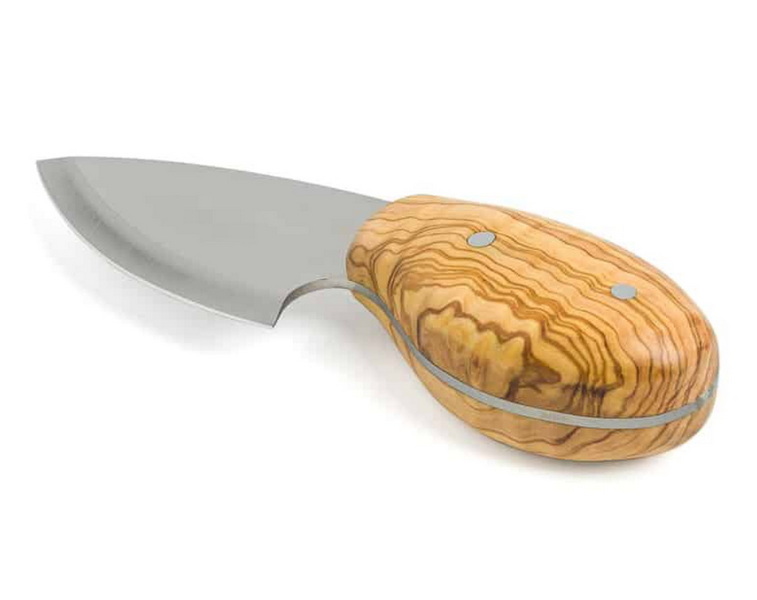
A soft cheese knife or pronged knife is ideal for versatility and ease of use with various cheese types.
Stainless steel offers better rust resistance and lower maintenance, while carbon steel yields superior sharpness favored by professionals.
Yes, OEM clients often order custom sets with branded packaging targeted for retail or promotional sales.
Handwash immediately, dry thoroughly, sharpen regularly, and avoid mixing with regular kitchen knives.
Typical MOQs range from 300–500 pieces per model, depending on materials and packaging customization.


