- All
- Product Name
- Product Keyword
- Product Model
- Product Summary
- Product Description
- Multi Field Search

Views: 222 Author: Ann Publish Time: 2025-11-15 Origin: Site


Content Menu
● Stainless Steel Pizza Cutters
>> Why Stainless Steel Dominates Professional Settings
>> Design Variants and Ergonomics
● Carbon Steel and Other Metals
>> Performance Characteristics
● Ceramic and Hybrid Materials
>> Advantages
>> Limitations
● Hybrid and Combined-Material Designs
● How to Choose for OEM Projects
● Care and Maintenance by Material (Practical Guide)
● Sustainability and Compliance Considerations
● Regional and Market Insights for OEM Strategy
● Quality Assurance and Manufacturing Considerations
● What End-Customers Value in a Pizza Cutter
● How to Demonstrate Value to OEM Clients
● FQA
>> Q1: What is the best material for a Pizza Cutter in professional kitchens?
>> Q2: Are plastic Pizza Cutters acceptable for everyday use?
>> Q3: How should I care for a carbon steel Pizza Cutter?
>> Q4: Can ceramic Pizza Cutters be durable?
>> Q5: Do hybrid designs provide genuine benefits for OEM products?
In the competitive world of kitchen tools, the right Pizza Cutter can make a significant difference for both professional kitchens and home cooks. For an OEM factory serving foreign brands, wholesalers, and manufacturers, understanding the material options, their pros and cons, and how they affect performance, hygiene, and cost is essential. This comprehensive guide delves into the most common Pizza Cutter materials—stainless steel, plastic, carbon steel, ceramic, and hybrid compositions—and provides practical guidance for selecting the best option for your product lineup. Throughout, the focus remains on delivering high-quality results for pizza preparation, whether in a bustling pizzeria, a hotel kitchen, or a home kitchen, while keeping production considerations in mind for OEM clients.
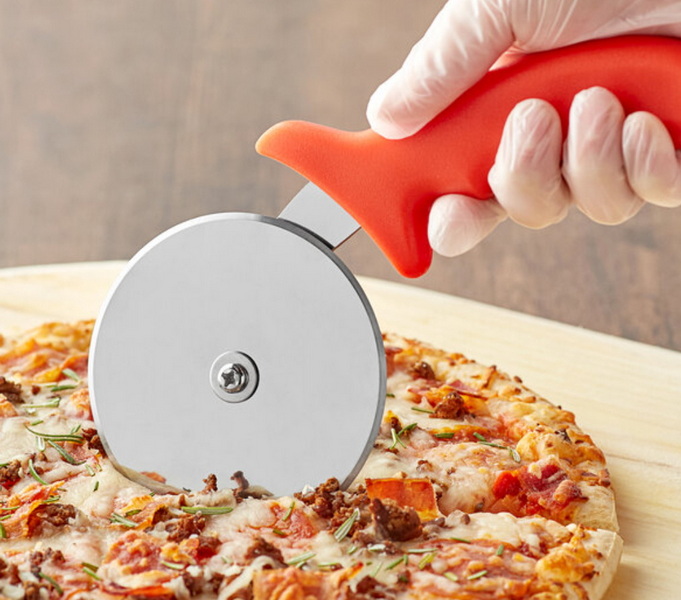
A Pizza Cutter is designed to separate slices from a freshly baked pie with minimal effort and maximum safety. Cutters come in various forms, including wheel-style cutters and rocker-style cutters, each with distinct handling characteristics. The blade material directly influences cutting performance, durability, and maintenance requirements. For OEM manufacturers, choosing the right material also impacts supplier choice, tooling investments, and post-sale service.
Stainless steel is the backbone of most high-end Pizza Cutter wheels. Its appeal lies in durability, edge retention, and ease of cleaning, which are critical in busy kitchens and food-service environments. Stainless steel wheels maintain sharpness through repeated use, resist corrosion from moisture and acidic sauces, and tolerate frequent washing.
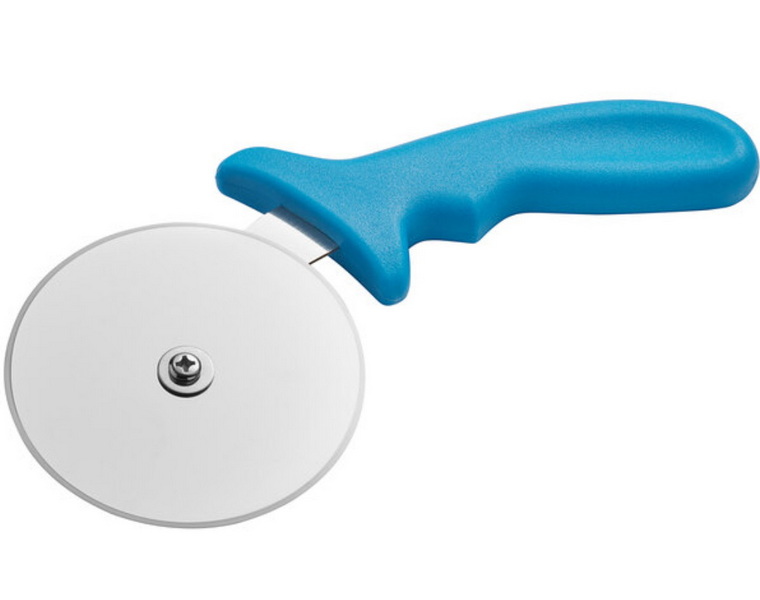
Many stainless steel Pizza Cutter designs feature ergonomic handles—often with a balanced weight distribution to reduce fatigue during long service periods. Some models pair a stainless steel wheel with a plastic or composite handle for cost savings and grip comfort. For OEM projects, standardizing on a stainless steel wheel can simplify replacement part logistics and warranty coverage.
Stainless steel blades are typically dishwasher-safe, but many pros prefer hand washing to extend edge life and prevent water spots. Quick drying after washing is essential to prevent corrosion at joints or rivets. For OEM lines, offering a dishwasher-safe option can be a strong selling point in markets prioritizing fast turnover.
Plastic Pizza Cutters are common in entry-level ranges and for brands targeting budget-conscious consumers. They are lightweight, colorful, and inexpensive to manufacture, making them attractive for promotional sets or kid-friendly product lines.
While plastic wheels and handles reduce weight and cost, they typically offer less edge retention and durability. They may also be more susceptible to cracking under heavy use or improper storage. For OEM makers, plastic alternatives often enable rapid customization, including color-matched handles and branding surfaces.
Plastic cutters may handle basic dishwashing but can warp or degrade if exposed to high heat or harsh detergents over time. Recycling and material safety certifications can be appealing to customers in regions with strict consumer-protection standards.
Carbon steel blades can achieve extremely sharp edges, appealing to cooks who value precise cuts. However, carbon steel is more prone to rust if not properly dried and cared for, requiring careful maintenance guidance in product manuals.
For premium OEM lines, carbon steel Pizza Cutters can be positioned as a specialty option for enthusiasts and professional kitchens, paired with robust protective coatings or rust-preventive finishes to mitigate corrosion risks.
Ceramic blades are exceptionally sharp and rust-resistant, offering clean cuts and light weight. They are often used when a cutter needs to minimize metallic taste concerns or for specialized culinary applications.
Ceramic blades can chip or crack if dropped or twisted under heavy leverage. This makes them less forgiving in high-volume or rugged environments, which is a critical consideration for OEM planning and end-user expectations.
Hybrid designs marry the strengths of different materials—e.g., a stainless steel wheel with a plastic or composite handle, or a carbon steel blade with a stainless guard. For OEM manufacturers, these configurations offer a path to optimized cost-performance trade-offs and diverse branding opportunities.
- Target market and use case: Professional kitchens demand durability and hygiene; home users may prioritize comfort and aesthetics.
- Production scale and cost: Stainless steel wheels can require more expensive tooling but deliver longer life; plastic options reduce tooling costs and enable vibrant branding.
- Maintenance and user education: If the end customer is likely to neglect maintenance, stainless steel with corrosion resistance may reduce after-sales issues.
- Packaging and branding needs: Material choices influence packaging design, labeling, and waste considerations.
- Stainless steel: Dry promptly after washing; consider protective finishes in humid environments.
- Plastic: Avoid high-heat exposure; inspect for cracks and replace when deformed.
- Carbon steel: Regular oiling and thorough drying; provide clear care instructions to end customers.
- Ceramic: Handle with care; educate users about avoiding impact damage.
- Hybrid: Follow the most demanding care guideline among the constituent materials.
- Material safety: Ensure all materials used for Pizza Cutter components meet food-contact safety standards and relevant certifications (e.g., EU food-contact directives, FDA compliance in the United States).
- Recycling and waste: Consider end-of-life disposal options, especially for plastic and composite components.
- Packaging: Use packaging that minimizes plastic usage and supports brand positioning around sustainability.
- North America: Consumers expect durable, easy-to-clean tools; stainless steel remains a strong seller in professional kitchens and home leisure segments.
- Europe: Emphasis on durable materials with corrosion resistance and safe handling; packaging often highlights hygiene and sustainability.
- Asia-Pacific: Growing demand for cost-effective solutions with strong branding; lightweight plastic designs can perform well in mass-market segments.
- Latin America and the Middle East: Market growth in mid-range products with robust warranty programs and accessible customer service.
- Tolerances and wheel concentricity: Ensure precise wheel alignment for clean cuts and consistent performance.
- Surface finishing: Polishing, passivation, and protective coatings can improve corrosion resistance and aesthetics.
- Handle ergonomics: Textured grips, contouring, and balanced weight distribution reduce user fatigue and improve control.
- Assembly durability: Rivets, screws, and joint connections should be secure to withstand commercial dishwashing cycles.
- Reliability: A blade that stays sharp longer and resists corrosion.
- Safety: Safe handling features, such as blade guards and non-slip grips.
- Aesthetics: Branded branding surfaces, color choices, and premium finishes.
- Convenience: Easy cleaning and storage, including dishwasher compatibility where appropriate.
- Technical data: Provide blade material specifications, hardness (HRC), and edge retention metrics.
- Lifecycle cost analysis: Show maintenance costs, replacement parts availability, and expected product lifespan.
- Brand storytelling: Align material choices with the brand's value propositions (durability, safety, sustainability).
The material science behind Pizza Cutter design is a decisive factor in product performance, customer satisfaction, and long-term brand value. Stainless steel remains the most versatile and dependable option for a broad range of applications, while plastic and other materials serve strategic roles in price-sensitive or niche markets. For OEM manufacturers, a thoughtful blend of materials, supported by precise manufacturing tolerances, robust quality assurance, and clear care guidance, can yield products that are both competitive in the market and trusted by end users. Emphasize durability, hygiene, and ergonomics in your marketing and product documentation to build brand loyalty across international markets.
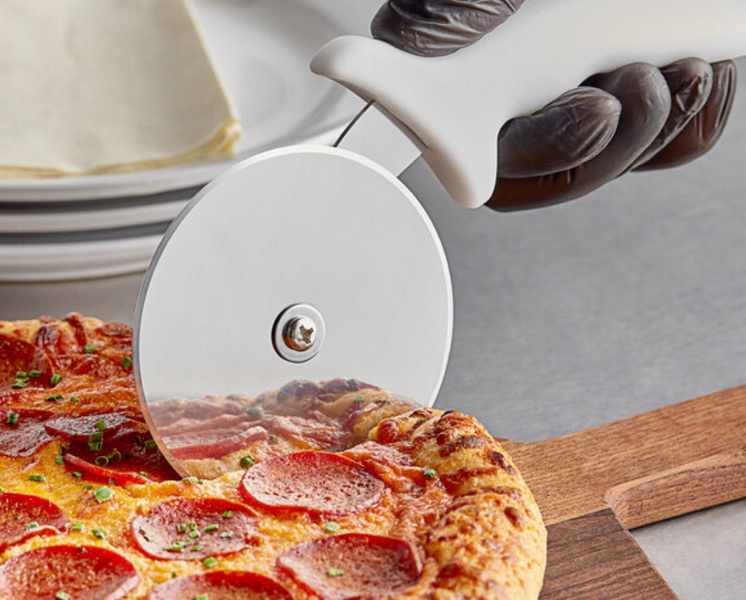
A1: Stainless steel wheels with ergonomic handles are widely favored for durability, edge retention, and hygiene, making them a strong default choice in professional kitchens.
A2: Yes, for light to moderate use, plastic Pizza Cutters can be suitable and cost-effective, but they typically wear faster and may not offer the same durability as stainless steel.
A3: After washing, dry immediately and apply a light coating of food-safe oil to prevent rust. Store in a dry place and follow brand-specific maintenance guidance.
A4: Ceramic blades are sharp and lightweight but can chip or crack if dropped or used with very hard crusts; they are best for careful handling in appropriate contexts.
A5: Yes, hybrids can balance cost, ergonomics, and branding opportunities, enabling customization across markets while maintaining overall performance.


