- All
- Product Name
- Product Keyword
- Product Model
- Product Summary
- Product Description
- Multi Field Search

Views: 222 Author: Ann Publish Time: 2025-11-19 Origin: Site


Content Menu
● Introduction: Why the Right Cheese Knife Material Matters
>> Common Types of Cheese Knives
● Understanding Stainless Steel Cheese Knives
>> Advantages of Stainless Steel Cheese Knives
>> Limitations of Stainless Steel
● Exploring Carbon Steel Cheese Knives
>> Advantages of Carbon Steel Cheese Knives
>> Limitations of Carbon Steel
● Choosing the Right Cheese Knife for Your Needs
>> For Home Use
>> For Professional or Enthusiast Use
● Handle and Design Considerations
>> For Stainless Steel Cheese Knives
>> For Carbon Steel Cheese Knives
● OEM Cheese Knife Sets and Customization Opportunities
>> 1. What's the best Cheese Knife for soft cheese?
>> 2. Can carbon steel Cheese Knives rust easily?
>> 3. Are stainless steel Cheese Knives dishwasher-safe?
>> 4. How is a Cheese Knife different from a regular kitchen knife?
>> 5. How do I sharpen a Cheese Knife?
Cheese lovers and professional chefs know that a high-quality Cheese Knife can make all the difference between a perfect slice and a crumbled mess. But when it comes to choosing between stainless steel and carbon steel, which material truly performs better for cheese cutting? This article explores crucial differences, benefits, and drawbacks of each—helping you make an informed decision for your kitchen or brand.

A Cheese Knife isn't just another kitchen tool—it's an essential part of serving and savoring cheese at its best texture and flavor. From soft brie to aged cheddar, every cheese type demands precision and balance in its blade. The material of your knife directly affects sharpness, corrosion resistance, ease of maintenance, and cutting performance.
A Cheese Knife is designed to cut through various cheese textures efficiently without sticking or breaking them apart. The blade shape, edge design, and material all contribute to its smooth performance. You'll often see holes in the blade—these reduce friction and prevent soft cheese from clinging.
- Soft cheese knife
- Hard cheese knife
- Spreader knife
- Fork-tipped knife
- Cleaver-style cheese knife
Each design complements a different cheese texture and cutting motion.
Stainless steel is an iron-based alloy containing chromium (usually 13%-18%) and sometimes nickel. Chromium creates a protective layer that resists rust and staining, making stainless steel highly durable and hygienic for kitchen use.
- Corrosion Resistance: Stainless steel knives resist rust, even with exposure to acidic and moist cheeses.
- Easy Maintenance: Requires minimal care—a quick rinse and wipe usually suffice, perfect for busy kitchens.
- Elegant Appearance: Polished shine offers professional aesthetic ideal for serving.
- Food Safety: Non-porous surface prevents bacterial buildup.
- Durability: Lasts long with consistent sharpness retention, though resharpening may be needed more often than carbon steel.
- Slightly less sharpness and edge retention than carbon steel.
- More difficult to resharpen to a razor edge.
- Can feel lighter or less “grippy” depending on handle design.
Carbon steel is primarily iron mixed with a higher percentage of carbon (0.5%-1.5%), resulting in a denser, harder blade. Carbon steel knives have historically been prized for exceptional sharpness and edge retention among chefs and enthusiasts.
- Razor Sharp Edge: Exceptional sharpness that glides cleanly through hard and semi-hard cheeses.
- Excellent Edge Retention: Maintains sharpness longer, reducing frequent sharpening.
- Traditional Feel: Heavier and offers excellent cutting feedback—preferred by many pros.
- Unique Patina Formation: Over time, develops a protective and attractive patina that prevents rust and reflects the knife's usage history.
- Ideal for Aged Cheeses: Harder edges cut clean slices through dense, aged cheeses like parmesan or gouda.
- Requires more maintenance: immediate drying, oiling to prevent rust.
- Susceptible to corrosion if neglected or exposed to moisture for long.
- Patina may discolor blades, which some users may dislike aesthetically.
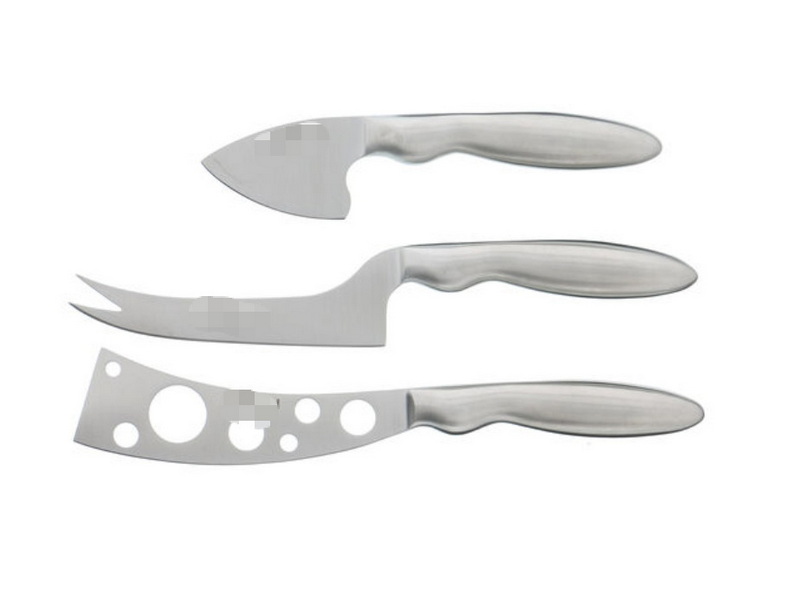
Stainless steel Cheese Knives offer a hassle-free option, shining on the cheese board and resisting staining from soft, creamy cheeses. They require little upkeep, making them perfect for casual cooks and entertaining.
Carbon steel knives are ideal if you value precision, sharpness, and a tactile cutting experience. While maintenance is more demanding (wash, dry, oil), users appreciate the traditional craftsmanship and outstanding cutting performance.
Material is only one factor influencing performance. Handle design affects control, comfort, and safety during cutting.
- Pakkawood (offers grip and durability)
- Stainless steel (sleek, easy to clean)
- ABS or plastic (affordable, varied colors)
- Micarta (durable and moisture resistant)
Carbon steel knives tend to be heavier, giving a solid feel, while stainless steel models are generally lighter, appealing to users preferring nimble handling.
- Wash promptly using mild soap and water.
- Dry immediately to avoid water spots.
- Store in a dry knife block or magnetic strip.
- Avoid prolonged moisture exposure.
- Wash and dry immediately after use.
- Apply food-safe oil regularly to prevent rust.
- Avoid dishwashers and humid storage.
As a Chinese kitchen knife manufacturer providing OEM services, offering customized cheese knife sets tailored to client needs can be a market differentiator.
Possible custom features:
- Brand logo engraving
- Customized blade shape and length
- Varied handle materials and colors
- Packaging options like elegant boxes or magnetic boards
- Special gift sets for premium markets
Choosing between a Stainless Steel Cheese Knife and a Carbon Steel Cheese Knife comes down to balancing maintenance willingness, cutting needs, and aesthetic preference. Stainless steel shines with corrosion resistance and ease of care, perfect for casual home cooks and presentation. Carbon steel offers razor-sharp edges and superior cutting for professionals willing to invest time in upkeep.
Both materials produce excellent tools when matched with the right cheese style and user expectations. The best cheese knife is ultimately the one suited perfectly for your kitchen habits and cheese enjoyment.
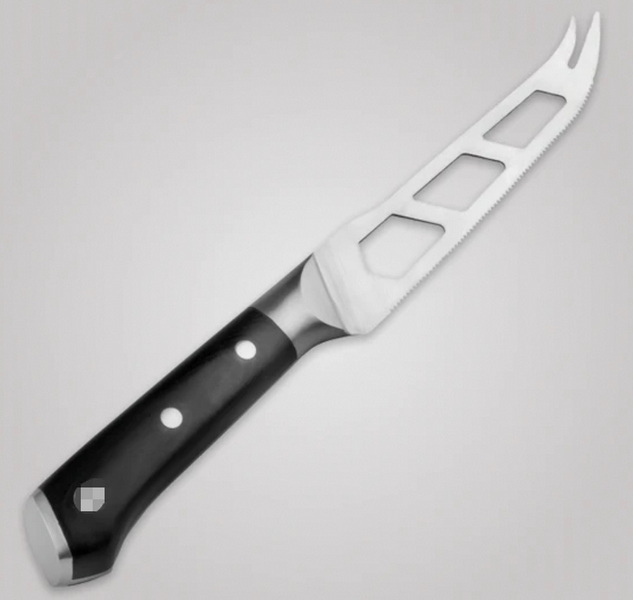
A stainless steel knife with blade holes helps prevent sticking and slices soft cheese smoothly.
Yes, without proper drying and oiling, carbon steel blades rust quickly due to moisture and acidic foods.
They generally resist dishwasher damage but hand washing is recommended to maintain sharpness and finish.
Cheese knives are thinner, often perforated or shaped specifically to reduce sticking, unlike general kitchen knives.
Both stainless and carbon steel knives can be sharpened at home using a whetstone or honing rod.


