- All
- Product Name
- Product Keyword
- Product Model
- Product Summary
- Product Description
- Multi Field Search

Views: 222 Author: Ann Publish Time: 2025-11-09 Origin: Site


Content Menu
● Serrated Design and Materials
● Manufacturing Considerations for Bread Knife OEM
● Usage Scenarios and Care Tips
● Conclusion and Call to Action
● FQA
>> What is a Bread Knife used for?
>> Why are Bread Knives serrated?
>> What blade materials are common for Bread Knives?
>> How should a Bread Knife be cared for?
>> How long should a Bread Knife stay sharp?
>> Can Bread Knives be customized in an OEM program?
In every kitchen, the bread knife serves as a bridge between the bakery and the table. A well-designed Bread Knife does more than slice—it preserves crumb structure, protects crust, and elevates the experience of serving freshly baked goods. For brands, understanding the nuances of serrated blades, blade materials, handle ergonomics, and overall construction is essential when outsourcing OEM production or collaborating with international partners. This article explores the essential features of bread knives, the science behind serrated edges, practical usage tips, and how OEM customization can align with global market needs, all while highlighting the bread knife's pivotal role in daily culinary rituals.

A Bread Knife is distinguished by its long, serrated blade, typically 8 to 12 inches in length, designed to saw through crust without crushing the interior crumb. The serrations grip the crust while the blade's momentum carries the slice forward, producing an even crumb without tearing. For OEM collaborations, key considerations include blade thickness, edge geometry, tang design, and balance. The right combination reduces fatigue for professional chefs and home cooks alike, enabling consistent, repeatable cuts across slices and loaves.
The hallmark of a high-performing Bread Knife is a properly engineered serrated edge. Serrations act like tiny teeth that engage the crust and minimize sliding, allowing the blade to cut without excessive force. The geometry of the serrations—depth, width, and spacing—determines cutting efficiency on different bread textures, from soft sandwich loaves to dense artisan loaves. In OEM projects, material selection matters as much as geometry. Common blade steels forBread Knives include high-carbon stainless steels that resist corrosion and retain sharpness, while some premium models experiment with edge-holding alloys or laminated constructions to reduce chipping and enhance durability. The blade's tempering and heat-treatment process influence toughness and flexibility, ensuring the knife performs reliably through repeated use. Handle design also plays a critical role; a comfortable grip reduces user fatigue and improves control, particularly when slicing several loaves in a row.
For brands seeking OEM partnerships, several production aspects deserve careful planning:
- Blade formation: Forged blades tend to offer greater strength and grain structure uniformity, whereas stamped blades provide cost efficiency. Depending on market positioning and pricing strategy, either may be appropriate, but cousins to professional bakery use often favor forged cores.
- Serration process: Serrations can be machined or laser-cut, with options for bi-lobed or standard triangular teeth. The choice affects maintenance, ease of sharpening, and the knife's longevity under heavy use.
- Edge retention: Harder steel may improve edge retention but can demand more rigorous manufacturing control to avoid brittleness. Balancing hardness with toughness is vital for a bread knife that endures daily slicing tasks.
- Handle integration: Full tangs with secure rivets or modern composites can enhance durability and balance, while ergonomics influence user satisfaction in both home kitchens and professional environments.
- Coatings and finishes: Some OEM programs explore non-stick or anti-corrosion coatings, though many bread knives rely on traditional finishes to preserve the natural steel appearance and resale appeal.
- Quality control: Dimensional accuracy, edge alignment, and balance checks ensure consistent performance across large production runs and multiple brand orders.
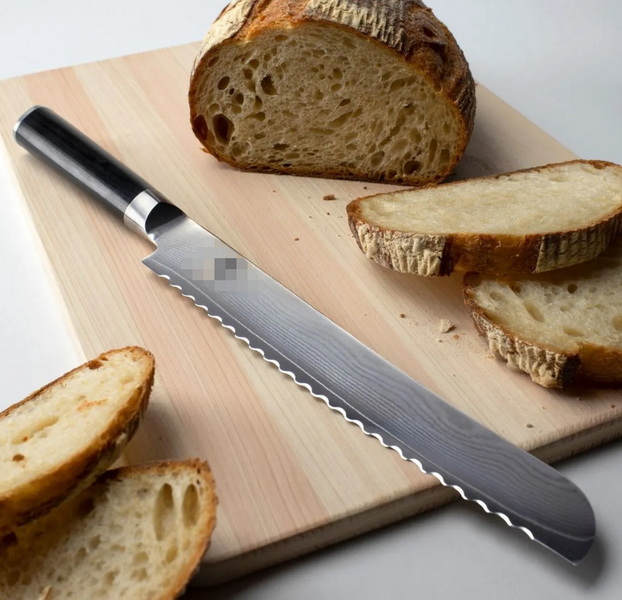
Bread Knives are versatile beyond a single loaf type. They excel at slicing crusty baguettes, soft challah, and dense rye bread without crushing the interior crumb. When using a Bread Knife, allow the serrated edge to do the work with a gentle sawing motion rather than pressing down hard. Cleaning and care are simple but essential: wash by hand to preserve the edge and avoid dishwasher detergents that may degrade handles or blades, dry promptly, and store in a blade guard or a designated knife rack to prevent dulling and rust. For brands that market to hospitality sectors or home chefs, demonstrations of proper technique, such as “saw-in, not through” methods and even slicing patterns, can be valuable content additions in product pages or training materials.
From the perspective of an OEM kitchen knife producer, several practices support successful outcomes:
- Customization options: Offer a menu of blade shapes, serration styles, and handle materials to suit different regional preferences—from light-duty home use to heavy bakery environments.
- Certification and compliance: Align with regional safety and material standards to facilitate faster market entry.
- Packaging and branding: Provide customizable packaging solutions, including branding-ready blade covers, labels, and usage guides that reflect a partner's brand voice and regional consumer expectations.
- Technical documentation: Supply detailed product specifications, maintenance guides, and warranty terms to support distributor confidence and downstream marketing.
A well-made Bread Knife stands at the intersection of performance, durability, and user experience. For brands seeking OEM partnerships, the opportunity lies in translating bakery-grade slicing performance into consumer-friendly products with reliable supply, consistent quality, and compelling branding. Interested buyers and partners are invited to contact the OEM team to discuss blade material options, handle ergonomics, serration profiles, and packaging configurations tailored to specific markets. By collaborating closely, both OEM manufacturers and foreign brands can deliver Bread Knife solutions that delight end users while meeting stringent quality and regulatory requirements.
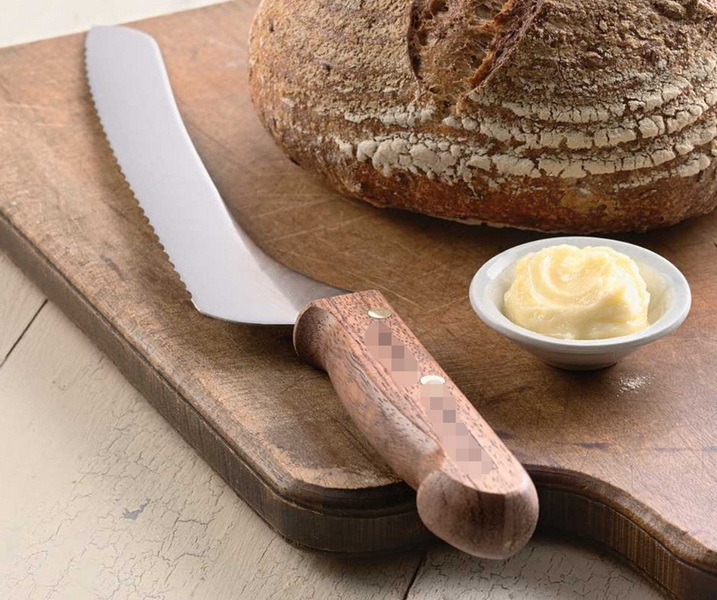
- A Bread Knife is specifically designed to slice bread without crushing the crumb, using a long serrated blade that can cut through crusty exteriors and soft interiors with a gentle saw motion.
- Serrations grip the crust and allow the blade to move smoothly through varying bread textures, reducing the need for force and preventing tearing of the crumb.
- Common materials include high-carbon stainless steels for sharpness and corrosion resistance, with some premium models using laminated or specialty steels for improved edge retention.
- Hand wash with mild detergent, dry promptly, and store in a knife block or with blade guards to protect the edge; avoid dishwasher detergents that can degrade finishes over time.
- Typically, a well-maintained Bread Knife retains a usable edge for several months under regular home use; professional or heavy kitchen use may require more frequent sharpening schedules.
- Yes, OEM programs commonly offer options for blade material, serration style, blade length, handle material, finishing, and packaging to fit regional markets and brand requirements.


