- All
- Product Name
- Product Keyword
- Product Model
- Product Summary
- Product Description
- Multi Field Search

Views: 222 Author: Ann Publish Time: 2025-11-10 Origin: Site


Content Menu
● What defines lightweight vs heavy Bread Knives
>> Lightweight Bread Knife characteristics
>> Heavy Bread Knife characteristics
● Control dynamics in practice
>> Balance and weight distribution
● Material science and design considerations
>> Blade materials and heat treatment
>> Edge geometry and blade length
● Design options for OEM programs
● Practical guidance for buyers and OEM clients
>> Home kitchen considerations
>> Professional bakery and catering applications
>> OEM strategy for diverse markets
● Implementation notes for publishing
>> Media placement and accessibility
● FAQs
>> 1: What is the typical weight range for lightweight Bread Knives, and how does it affect control?
>> 2: When should a heavier Bread Knife be preferred for better control?
>> 3: How does blade serration impact control and maintenance?
>> 4: How does handle design influence control?
>> 5: What should OEM buyers consider when selecting weight and geometry?
Bread Knife is a staple in professional kitchens and home setups alike. The question of weight—whether a lightweightBread Knife or a heavier Bread Knife—drives many purchasing decisions, especially for OEM programs that must balance performance, reliability, and cost across diverse markets. This article delves into how weight influences control, fatigue, edge performance, and maneuverability. It also provides practical guidance for brands and manufacturers looking to tailor Bread Knife lines for different customer segments and regional bread profiles. Throughout, the focus remains on Bread Knife performance, ergonomic design, material selection, and media-ready content strategies to support marketing and educational materials.
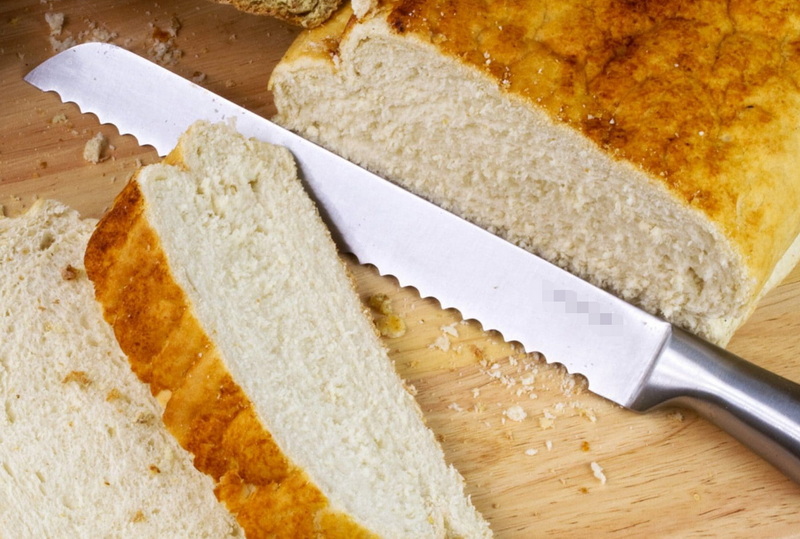
- Design philosophy: A lighter Bread Knife emphasizes nimbleness, agility, and reduced user fatigue. The blade and handle are engineered to keep the overall weight low while preserving a robust edge and reliable cutting action.
- Material choices: High-strength stainless steels, lighter alloy blades, and polymer or composite handles reduce mass. The balance is often tuned to keep the center of gravity nearer the handle, promoting quicker, more precise motions.
- Ideal use cases: Soft breads, sandwiches, cakes, and frequent slicing tasks in home kitchens or fast-paced commercial kitchens where quick, repetitive cuts are common.
- OEM implications: Lightweight Bread Knife variants are attractive for multi-region distribution, compact storage spaces, and consumer-grade or mid-tier branding where price sensitivity and ergonomics are key selling points.
- Design philosophy: A heavier Bread Knife provides momentum, stability, and a confident cutting feel. Weight can assist in penetrating crusts with less perceived effort, reducing wrist strain during long slicing sessions.
- Material choices: Heavier blades might use thicker cross-sections, reinforced steel grades, and sometimes denser handle materials to enhance vibration dampening and control.
- Ideal use cases: Crusty artisan loaves, large round boules, denser breads, and professional environments where sustained cutting is routine.
- OEM implications: Heavier Bread Knife variants suit professional bakeries, institutional kitchens, and markets that value durability and a sense of rugged reliability. Weight customization can address regional bread textures and operator preferences.
- A well-balanced Bread Knife places the center of gravity near the handle, enabling smooth sawing and reducing wrist torque. For lightweight models, balance is critical to prevent blade chatter and to maintain crisp crust penetration. For heavier models, deliberate control of momentum ensures consistent slice thickness without crushing crumb.
- Cutting motion and technique
- Serrated Bread Knife actions rely on a sawing motion. Weight influences the required stroke length and force; lighter knives demand steadier wrist control, while heavier knives allow shorter, more decisive motions. Mastery comes from matching technique to weight class and to the bread's crumb structure.
- Soft sandwich breads respond well to lighter, nimble knives that offer quick, shallow slices with minimal crumb damage. Dense, crusty loaves benefit from the momentum of a heavier Bread Knife, which helps maintain even depth and reduces the risk of tearing. OEM offerings should consider providing weight-varied options to cover the spectrum of bread textures found in target markets.
- Stainless steel blends (e.g., high-carbon stainless) balance edge retention and corrosion resistance. Heavier blades may benefit from thicker profiles and specific heat treatments that enhance rigidity and durability, while lighter blades emphasize alloy strength and lean geometry to keep mass low.
- Serrations affect crust penetration and long-term edge retention. Heavier blades can support more aggressive serration patterns without compromising control, while lighter blades may optimize for crisp cuts with finer serration to reduce crumb damage. For OEM programs, offering configurable serration density can align with bread types across regions.
- Handle shape, material, and texture influence grip security and fatigue. An ergonomic handle that fits a range of hand sizes improves control across user groups. For OEM customization, consider offering multiple handle geometries and textures to match regional preferences and branding.
- Blade length commonly ranges from 8 to 10 inches for Bread Knife applications. Longer blades cover more surface area of a loaf and enable fewer repositionings, while shorter blades offer maneuverability in smaller kitchens. In OEM projects, varying blade length alongside weight can tailor product lines to urban apartments or larger culinary facilities.
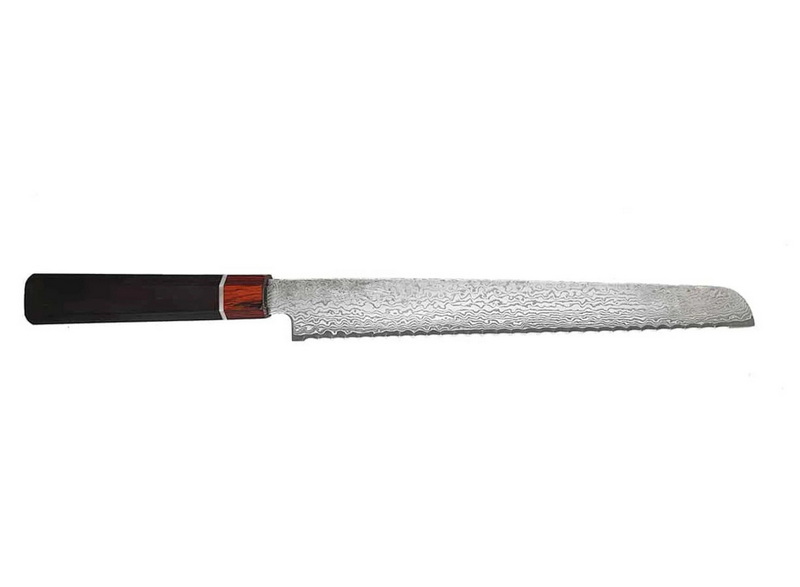
- OEM programs can provide tiered weight options, with light, medium, and heavy Bread Knife families. Weight segmentation helps retailers curate assortments that fit home kitchens, restaurant settings, and industrial kitchens across different geographic regions.
- Beyond standard lengths, customization can include curved or straight blade profiles, alternative tooth geometry, and variable thickness along the blade spine to optimize edge engagement for diverse bread formats.
- Cosmetic customization, such as finish, color accents, logo silkscreen, and laser engraving, allows brands to differentiate Bread Knife lines without sacrificing cutting performance. All branding should maintain grip comfort and edge accessibility.
- For households seeking daily usability, a balanced, lightweight Bread Knife with corrosion-resistant blade and ergonomic handle is often ideal. Emphasize ease of sharpening, compatibility with dishwashers if applicable, and a comfortable grip for long slicing sessions.
- In professional settings, consider heavier Bread Knife configurations that deliver sustained cutting power, robust handle support, and durable serrations designed for frequent use on crusty breads. Durability, serviceability, and availability of replacement parts influence long-term value.
- Offer a modular approach: a core Bread Knife platform with optional weight inserts, serration options, blade lengths, and handle styles. This enables rapid alignment with regional bread preferences, price points, and branding guidelines.
- Use descriptive alt text for all images and videos. Ensure media files load asynchronously to improve page performance. Provide text transcripts for videos and captions for quick scanning.
- Maintain a logical H-tag structure: H1 for Title, H2 for major sections, H3 for subsections, and QA items as H3 or H4 as appropriate. Integrate Bread Knife keyword naturally across headings and body text to support SEO without compromising readability.
- Prepare localized versions of the article that reflect regional bread cultures and bakery practices. Adapt media to reflect local bread types and kitchen environments while preserving core messaging about Bread Knife weight and control.
Weight, balance, and bread texture form a triad that defines Bread Knife control. Lightweight models deliver superior agility and reduced fatigue for soft breads and quick slicing tasks, making them ideal for home kitchens and fast-paced retail environments. Heavier models offer sustained momentum and stability for crusty loaves and high-volume operations, delivering consistent slices even under repetitive use. For OEM programs, a modular strategy—providing weight variants, configurable blade lengths, and optional serration patterns—empowers brands to meet diverse market needs while maintaining core performance. By combining thoughtful material choices, ergonomic handle design, and compelling media assets, Bread Knife lines can be positioned as versatile, durable, and design-forward solutions that resonate across North American, European, and Asian markets.
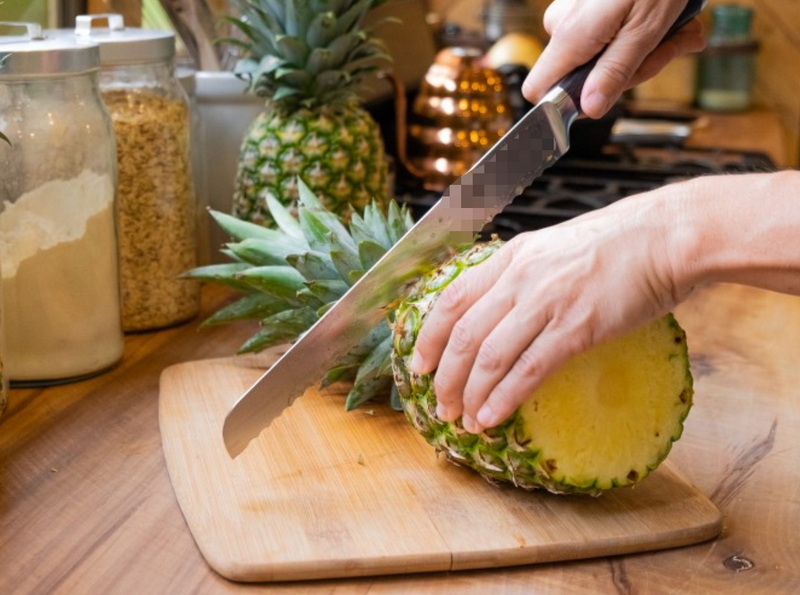
- Lightweight Bread Knives are generally lighter and designed to enhance agility, reducing wrist fatigue and enabling faster slicing motions. They tend to perform best with soft breads and repetitive cuts, where swift, precise control matters for crumb preservation. [Bread Knife]
- Heavier Bread Knives provide momentum and stability for crusty and dense breads, helping to maintain a consistent slice depth and reduce wrist strain during long sessions. They are advantageous in professional or high-volume environments. [Bread Knife]
- Serration affects crust penetration, crumb protection, and maintenance needs. The right serration pattern supports clean cuts and easier maintenance, with heavier blades often tolerating more aggressive patterns. [Bread Knife]
- A well-designed handle improves grip security, minimizes slippage, and reduces fatigue, thereby enhancing precise control during extended cutting tasks. Ergonomic considerations are essential for OEM success. [Bread Knife]
- OEM buyers should assess regional bread types, usage patterns, maintenance capabilities, branding goals, and price targets. Offering configurable weight, blade length, and serration options enables effective market tailoring. [Bread Knife]


