- All
- Product Name
- Product Keyword
- Product Model
- Product Summary
- Product Description
- Multi Field Search

Views: 222 Author: Ann Publish Time: 2025-11-16 Origin: Site


Content Menu
● 1: Core Definitions and Use-Cases
● 2: Design Principles for Durable Performance
● 3: Market Positioning - Sets vs Singles
● 4: Regional and End-User Considerations
● 6: Content and Imagery Strategy for OEM Marketing
● 7: Practical Implementation for Your OEM Program
● FAQ
>> How should a brand decide between a set and a single cutter for their first OEM order?
>> What are the key material considerations for OEM Pizza Cutters?
>> Are dishwasher-safe options viable for sets and singles?
>> How can branding impact lead times?
>> What maintenance guidance should be included for end-users?
In the world of professional kitchen tools, a well-chosen Pizza Cutter is more than a mere slicer; it is a strategic element in OEM branding, packaging appeal, and end-user satisfaction. For a Chinese kitchen knife and tool manufacturer serving overseas brands, wholesalers, and product developers, understanding the nuances between pizza cutter sets and single cutters is essential. This guide explores not only design and material considerations but also market positioning, packaging strategies, and practical usage scenarios that help brands decide which option best fits their portfolio. Pizza Cutter remains the keystone keyword that threads through product development, marketing narratives, and technical documentation, ensuring consistent messaging across markets.

- What is a Pizza Cutter? A Pizza Cutter is a kitchen tool featuring a circular blade designed to roll through pizza crusts, delivering clean slices with minimal effort. For OEM programs, variations include blade diameter, edge geometry, handle materials, and whether the tool is part of a broader set or a standalone unit.
- Set versus Single: A set bundles multiple cutters—often with different blade diameters, handle styles, or complementary accessories (such as stands, cases, or storage pouches)—to provide a versatile solution for home cooks or professional kitchens. A single cutter concentrates on one blade size and ergonomic profile, typically marketed as a premium, high-durability tool or a brand-signature product.
- Blade Material and Construction: Durable Pizza Cutter blades are commonly crafted from stainless steel with high hardness and corrosion resistance. Some OEM lines explore high-carbon stainless steel or coated finishes to boost edge retention and ease of cleaning, while maintaining food-safety standards. For international branding, material choices influence cost, re-sharpening needs, and compatibility with washing environments.
- Blade Geometry and Edge Finish: The cutting edge geometry—from straight edges to slight bevels—impacts slicing efficiency and crust integrity. A well-finished edge reduces drag, minimizes tearing, and improves consistency across repeated slices, which is crucial for professional kitchens and retail demonstrations. Pizza Cutter.
- Handle Ergonomics and Grip: Effective ergonomics balance weight, dwell time, and user comfort. Textured or rubberized grips can improve control, especially for longer use periods. In sets, handle variety can broaden appeal to gift categories or regional preferences.
- Safety Features and Storage: Integrated blade guards, locking mechanisms, and bagged or clamshell packaging for sets help with safe storage and transport—important for distributors and end-users in busy kitchens.
- Brand Storytelling and Differentiation: Sets enable narrative opportunities—explaining how different cutter sizes cover multiple pizza formats (thin-crust, deep-dish, multi-topping). Singles allow a brand to champion a “single best-in-class” message, focusing on longevity and precision.
- Packaging Strategies: Sets often justify higher SKU counts and slightly higher per-unit prices, supported by coordinated packaging that communicates “multi-tool solution” value. Singles simplify supply chains and can be rolled out as premium hero products with premium finishes and enhanced warranties.
- Cross-Sell Opportunities: A mixed approach—core single cutters complemented by curated sets—helps brands cover first-time buyers and upgrade paths for existing customers. This strategy aligns with OEM flexibility and regional market preferences.
- Home Cooking Habits: In many markets, Pizza Cutter sets appeal as giftable bundles or family-friendly tools, providing value through variety and aesthetic packaging. Emphasize dishwasher compatibility, ease of cleaning, and color or finish options in marketing content.
- Professional Kitchens: For restaurants, catering, and hotels, a single, rugged Pizza Cutter with excellent edge life and simple maintenance is often preferred. Focus on durability tests, reliable edge geometry, and easy-care instructions in product documentation.
- Gift and Promotion Opportunities: Sets can be branded for holidays or culinary events, featuring cohesive colorways, branded sleeves, and story-driven packaging that resonates with international audiences.
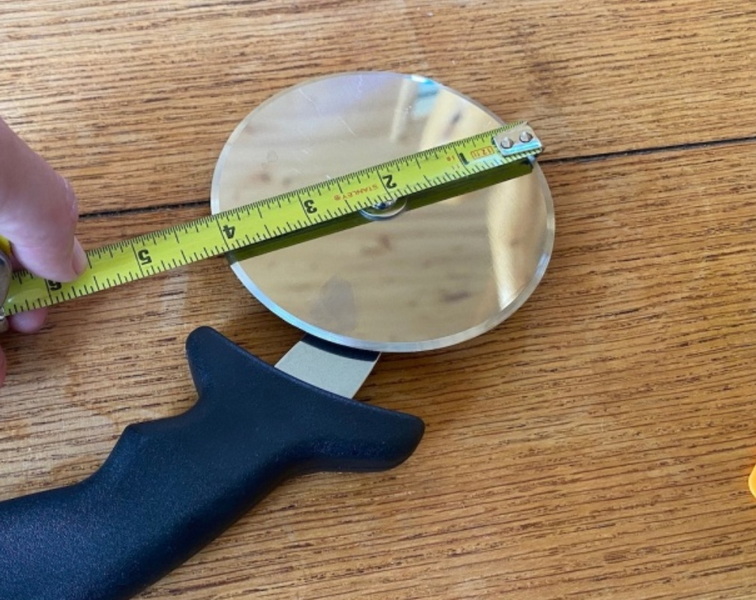
- Customization Matrix: Offer a range of blade diameters (e.g., 60mm, 70mm, 90mm), materials (304 stainless steel, others if required), handle finishes (rubberized, stainless, coated), and branding options (laser engraving, enamel fills). A well-planned matrix allows brands to assemble sets or single products that align with regional preferences.
- Compliance and Safety: Ensure compliance with food-contact safety standards, labeling requirements, and care instructions suitable for target markets. Document clear warranty terms, maintenance guidelines, and replacement-part availability.
- Lead Time and Production Efficiency: Sets may require more tooling and assembly steps, but standardized components can streamline manufacturing. For OEM partners, define modular components that can be swapped to tailor SKUs without retooling the core process.
- SEO Structure: Maintain a clear heading hierarchy with the primary keyword Pizza Cutter integrated naturally in titles, subheads, and body text. Use related terms (set, single, blade, handle, edge, OEM, packaging) to ensure semantic relevance and searchability.
- Policy for Brand Customization: Provide tiered customization options—basic finishes, premium coatings, and bespoke branding—while maintaining a reliable base product platform. This supports scale and regional adaptation.
- Packaging and POS Content: Develop packaging designs with multilingual labeling, care instructions, and warranty information suitable for key markets. Create POS materials that highlight the “Pizza Cutter” concept and its role in complete kitchen tool sets.
- After-Sales and Replacement Strategy: Offer readily available replacement blades and maintenance guidance, ensuring longevity and customer satisfaction across markets.
A thoughtful choice between offering a Pizza Cutter Set or a Single Cutter depends on brand strategy, target markets, and logistics considerations. Sets deliver breadth, gifting appeal, and cross-sell potential, while singles emphasize durability, performance, and premium branding. For an OEM program, a hybrid approach—maintaining core single cutters while introducing well-designed sets—maximizes market reach, price realization, and customer loyalty. The best approach is guided by precise market research, clear branding messages, and robust manufacturing flexibility that your OEM capabilities can deliver.
Consider target markets, price positioning, expected use-cases (gift vs daily kitchen use), packaging requirements, and the logistics capacity to handle SKUs.
Focus on corrosion resistance, edge retention, ease of sharpening, safety for food contact, and cost implications for the chosen production method.
Yes, with appropriate blade finishes and protective packaging. Include clear care instructions to extend edge life and product aesthetics.
Custom logos, finishes, and packaging artwork can add steps to tooling approvals and labeling compliance; plan in advance and use standardized components where possible to minimize delays.
Provide washing guidelines, drying steps, safe storage with blade guards if included, and recommended sharpening intervals according to blade material and usage patterns.


