- All
- Product Name
- Product Keyword
- Product Model
- Product Summary
- Product Description
- Multi Field Search

Views: 298 Author: Kitty-SAAFI Publish Time: 2025-08-12 Origin: Site


Content Menu
>> Advantages
● Understanding the Main Risks: Cracks and Discoloration
● Daily Cleaning Practices to Protect the Handle
>> Hand-Washing vs. Dishwasher
● Removing Stains from Plastic Handles
● Preventing UV and Heat Damage
● Handling and Storage to Avoid Cracks
● Periodic Maintenance for Long-Term Durability
● What to Avoid with Plastic-Handled Knives
● Professional Tips from Chefs
● Environmental Considerations
● Step-by-Step Guide to Full Handle Restoration
Plastic-handled chef knives are essential tools in both home and professional kitchens. Their durability, ease of cleaning, and comfortable grip make them a popular choice. However, like any kitchen tool, they require proper care to maintain their appearance and functionality over time. This guide will provide you with everything you need to know to keep your plastic-handled chef knife looking sharp and working like new.
Plastic handles, commonly made from materials such as polypropylene (PP), thermoplastic rubber (TPR), or polyoxymethylene (POM), are favored for several reasons:
- Water Resistance: They resist moisture, preventing swelling or warping.
- Easy Cleaning: Unlike wooden handles, they can be washed without special oils or sealants.
- Slip-Resistant Grip: Many plastic handles are textured or rubberized for safety.
- Affordability: Generally more cost-effective than exotic hardwoods.
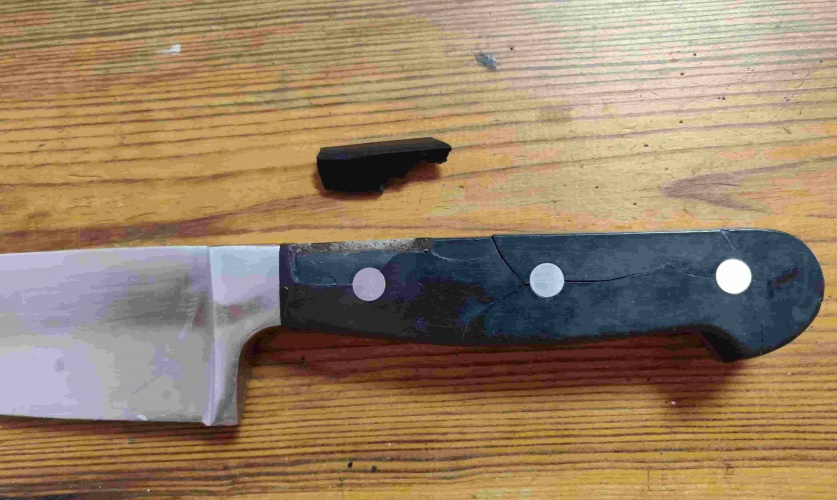
Despite their durability, plastic handles can show signs of wear over time. Here are the main risks:
- Thermal Shock: Rapid temperature changes can lead to cracking.
- Impact Damage: Dropping the knife or hitting it against hard surfaces can cause damage.
- Aging Polymers: Over time, plastic can lose its flexibility.
- Overtightened Rivets or Pins: Excessive tension can stress the plastic.
- Food Pigments: Ingredients like turmeric and beetroot can stain handles.
- Chemical Cleaners: Harsh detergents or bleach can cause yellowing.
- UV Exposure: Prolonged sunlight can fade colors.
- High Heat: Dishwashers can alter the color of plastic handles.
Avoid Dishwashers: High heat and strong detergents can degrade plastic handles. Instead, follow these steps:
1. Wash: Use warm water and mild dish soap.
2. Scrub: Use a soft sponge to avoid scratches.
3. Rinse: Ensure all soap residue is removed.
To prevent moisture damage:
- Dry: Use a clean microfiber towel.
- Air-Dry: Allow the knife to dry completely before storage.
For light stains:
- Baking Soda Paste: Mix baking soda with water, rub gently with a soft cloth, rinse, and dry.
For stubborn stains:
- Baking Soda and Vinegar Paste: Apply the paste, let it sit for 5–10 minutes, then scrub gently with a soft-bristle brush.
Check out Eco-Friendly Cleaning Solutions for safe cleaning recipes.
- Storage: Keep knives in a cool, shaded area.
- Avoid Heat Sources: Don't leave knives near stoves or in direct sunlight.
- Use Magnetic Strips: Store knives away from light.
Always cut on wood or food-grade plastic boards to avoid damaging the handle.
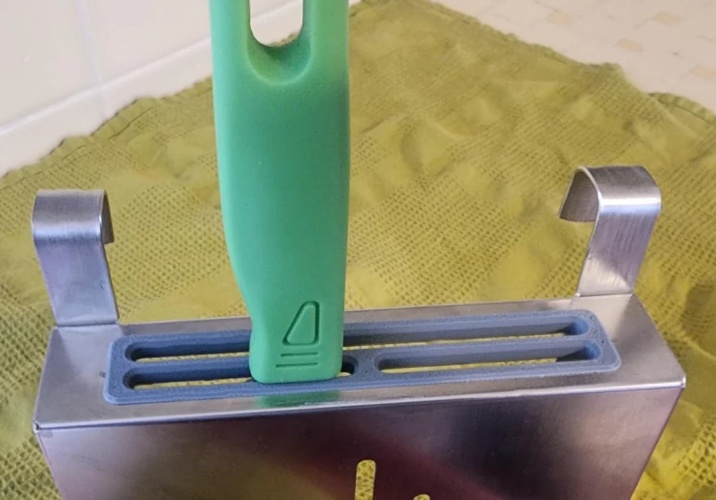
- Knife Block: Use a block with fitted slots.
- Blade Guards: Protect blades when stored in drawers.
- Magnetic Strips: Ensure they have smooth, protective backing.
- Inspect: Check handles every few months for cracks or looseness.
- Replace: Promptly replace any damaged handles.
- Oil: Apply food-safe mineral oil to rubberized grips to restore elasticity.
- Soaking in Hot Water: Avoid prolonged exposure to hot water.
- Using Harsh Cleaners: Stay away from chlorine bleach and abrasive powders.
- Cutting Frozen Foods: Excessive force can damage the handle.
- Exposing to Flames: Keep knives away from open flames and high-heat surfaces.
- Rotate Knives: Use multiple knives to reduce wear on any single handle.
- Color-Coding: In commercial kitchens, color-coded handles help prevent cross-contamination.
Plastic handles can last for years, but when they reach the end of their life:
- Recycle: Separate the blade for recycling.
- Repurpose: Consider using handles for garden tools or DIY projects.
1. Clean: Remove all food debris and grease.
2. Smooth: Lightly sand with fine-grit sandpaper if the surface is rough.
3. Polish: Use a plastic-safe polish for shine.
4. Protect: Apply a thin layer of food-safe oil for rubberized grips.
Q1: Can I put my plastic-handled knife in the dishwasher?
A: No, it accelerates damage and discoloration.
Q2: How do I remove turmeric stains?
A: Use a baking soda and vinegar paste, scrub gently, and rinse thoroughly.
Q3: Can I repair a cracked handle?
A: Small cracks may be filled with epoxy, but replacement is safer for heavily used knives.
Q4: How often should I inspect my knife handle?
A: Every 2–3 months for frequent use, or sooner in commercial settings.
Q5: How long can a plastic handle last?
A: With proper care, they can last 5–10 years or more.


