
Views: 222 Author: Ann Publish Time: 2025-10-09 Origin: Site


Content Menu
● Key Features to Consider When Buying a Butcher Knife
>> Blade Type
>> Blade Length
>> Budget and Brand Reputation
● Different Types of Butcher Knives and Their Uses
● How to Use a Butcher Knife Safely and Effectively
● Caring for Your Butcher Knife
● Why Choose an OEM Butcher Knife from a Trusted Manufacturer?
● Frequently Asked Questions (FAQs)
>> 1. What blade length is best for a butcher knife?
>> 2. Which is better: curved or straight butcher knife?
>> 3. How do I maintain the sharpness of a butcher knife?
>> 4. Can I use a butcher knife for tasks other than meat?
>> 5. What material should the blade be made of for best performance?
The butcher knife is an essential tool for both professional butchers and home cooks who routinely work with large cuts of meat. This versatile knife, designed specifically to handle the demands of butchering tasks, offers precision, durability, and control. For anyone looking to invest in a butcher knife or butcher knife set, understanding the key factors behind choosing the right one is crucial.

A butcher knife, also called a butcher's knife, is primarily designed for butchering or dressing animals. It typically features a long, robust blade with a slightly curved or straight edge that is ideal for slicing, trimming, and breaking down large cuts of meat. Unlike regular kitchen knives, butcher knives have an ultra-sharp, targeted design to enhance cutting efficiency on tough meat cuts and bones.
Butcher knives can also be multipurpose tools, useful for cutting vegetables or even outdoor tasks like camping and barbeques. Their blade strength allows users to dice salted pork, cut cooled meats, trim steaks, and more.
Butcher knives typically come in two blade types: curved and straight. Curved blades excel at slicing and skinning meat, providing smooth cuts around bones and joints. Straight blades are usually more versatile for various cutting tasks, including chopping and portioning. Choosing the appropriate blade type depends on the intended use.
The blade material affects durability, sharpness, and maintenance needs. Stainless steel and high-carbon steel are the most popular choices:
- Stainless steel: Corrosion-resistant, more resistant to rust, and easier to maintain.
- High-carbon steel: Holds a sharper edge longer but requires more careful maintenance to avoid rust.
Typically, butcher knives have blades ranging from 6 to 10 inches in length. Longer blades allow for more efficient, clean cuts, especially when working on larger meat pieces. However, blade length preference varies with user comfort and specific task requirements.
The handle must provide a secure grip and comfort for extended use. Ergonomic designs using materials such as rubber, wood, or synthetic composites enhance grip and reduce hand fatigue. A well-designed handle can prevent slips during intensive butchering sessions.
Weight plays a role in cutting power versus maneuverability. Heavier knives provide more chopping power—helpful for tougher cuts—while lighter knives offer better control for detailed work. A well-balanced butcher knife distributes weight evenly between blade and handle, reducing fatigue and improving precision.
Consider how easy it is to maintain your butcher knife. Some materials and blade designs require more frequent sharpening and special care. Most butcher knives can be sharpened with whetstones, honing rods, or professional services. Proper cleaning and drying after use also prolong blade life and prevent rust.
Prices vary significantly depending on quality, brand, and features. Investing in a reputable brand often yields a knife with superior performance and durability. Reviews and professional recommendations can help guide your choice toward a butcher knife that fits your needs and budget.
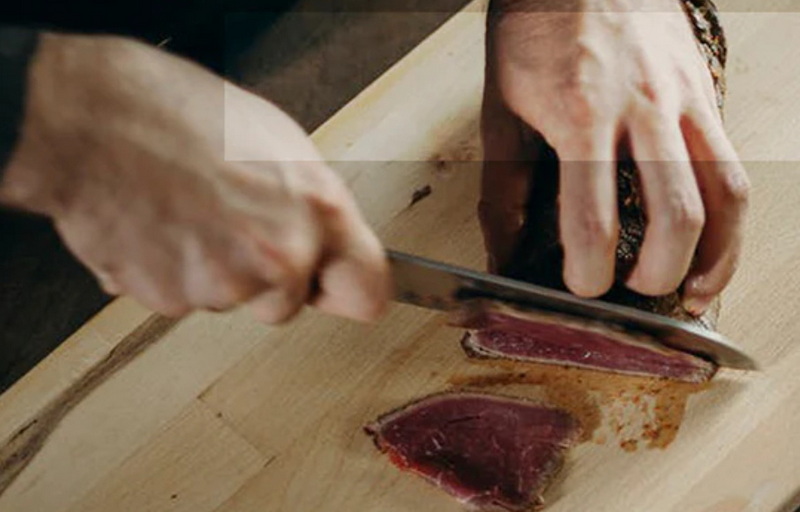
There are multiple variations of butcher knives designed for specific tasks in meat preparation:
- Breaking Knife: Has a curved blade specifically suited for breaking down large sections of carcass. It's heavier and more robust.
- Boning Knife: Features a narrow, pointed blade used to separate meat from bones with precision.
- Cleaver: A heavy, rectangular blade designed for cutting through bone.
- Slicing Knife: A long, thin blade ideal for cutting thin slices of meat.
- Skinning Knife: A small, curved blade perfect for skinning game.
Understanding these types helps in assembling the right set for professional or home butchering.
Effective use of a butcher knife involves proper technique to maximize safety and cutting efficiency:
- Always cut away from your body to prevent injuries.
- Use a stable cutting surface and non-slip cutting board.
- Keep fingers tucked and use your knuckle as a guide for controlled cuts.
- Allow the knife's weight to do the work; avoid forcing the blade.
- Regularly check and maintain blade sharpness to reduce slipping.
Proper care ensures a butcher knife remains sharp, safe, and efficient:
- Hand wash with mild soap and warm water; avoid dishwashers.
- Dry thoroughly immediately after washing to avoid rust.
- Store safely in knife blocks, magnetic strips, or sleeves to protect the blade.
- Sharpen regularly using sharpening stones or honing rods.
- Apply food-safe mineral oil occasionally to protect carbon steel blades.
- Inspect handles for wear and maintain secure rivets or screws.
For businesses such as overseas brands, wholesalers, and producers, choosing OEM butcher knives from a reliable factory ensures quality, customization, and competitive pricing. OEM manufacturers provide options for blade materials, handle designs, blade length, and packaging tailored to client specifications. This supports private label development and global distribution with consistent quality control.
Benefits of OEM butcher knife manufacturing include:
- Access to advanced forging and finishing technology.
- Customizable logo and branding on blades and handles.
- Efficient bulk production for cost-effectiveness.
- Compliance with international quality standards.
- Dedicated customer support and after-sales service.
OEM butcher knives combine craftsmanship with business flexibility, enhancing brand reputation in international markets.
Choosing the right butcher knife is a key investment for kitchens where meat preparation is frequent. Understanding blade types, materials, ergonomics, and maintenance requirements will help select a knife that combines efficiency, comfort, and longevity. Whether for professional butchering or home use, a good butcher knife enhances cutting precision, reduces effort, and improves overall kitchen experience. With proper care, quality butcher knives can last decades and become indispensable culinary tools.
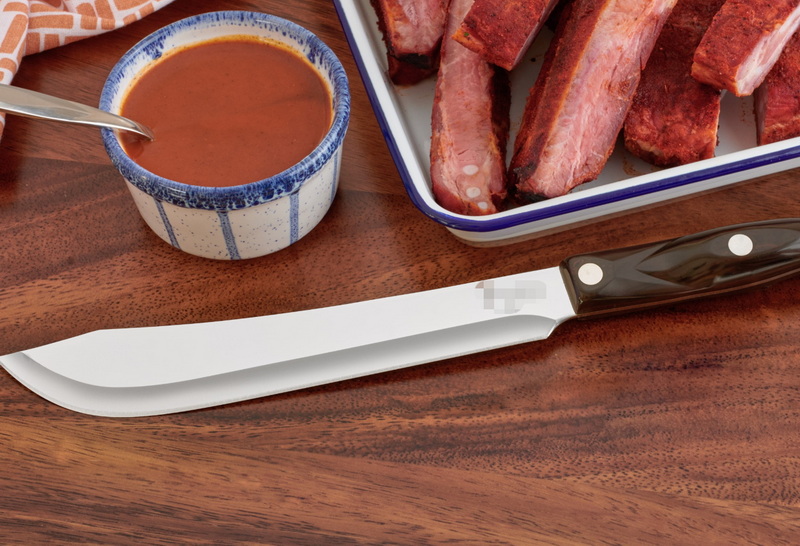
Blades between 6 to 10 inches are ideal, depending on the tasks and user preference.
Curved blades are better for slicing and skinning, while straight blades are more versatile for various cuts.
Regular honing, sharpening with whetstones or honing rods, and proper cleaning and storage maintain sharpness.
Yes, butcher knives can also be used for cutting vegetables and outdoor tasks like camping.
High-carbon stainless steel offers an excellent balance of sharpness retention and corrosion resistance.


