- All
- Product Name
- Product Keyword
- Product Model
- Product Summary
- Product Description
- Multi Field Search

Views: 222 Author: Ann Publish Time: 2025-09-29 Origin: Site


Content Menu
● Practical Uses for Each Knife
>> When to Use a Cleaver Knife:
>> When to Use a Butcher Knife:
● Maintenance Tips for Cleaver and Butcher Knives
● OEM Customization Opportunities for Cleaver Knives
>> 1. Is a cleaver knife suitable for everyday kitchen use?
>> 2. Can a butcher knife cut through bones?
>> 3. How do I maintain the edge of a cleaver knife?
>> 4. Are there different types of butcher knives?
>> 5. Can OEM cleaver knives be customized with brand logos?
In the culinary world, selecting the right knife is essential to achieving the best results in meat preparation and food processing. Two types of knives often used in professional kitchens and butcher shops are the cleaver knife and the butcher knife. Though they may seem similar at first glance due to their role in handling meat, they are designed very differently and serve distinct purposes. Understanding the differences between these knives can help chefs, butchers, wholesalers, and international buyers choose the right tool for their needs.

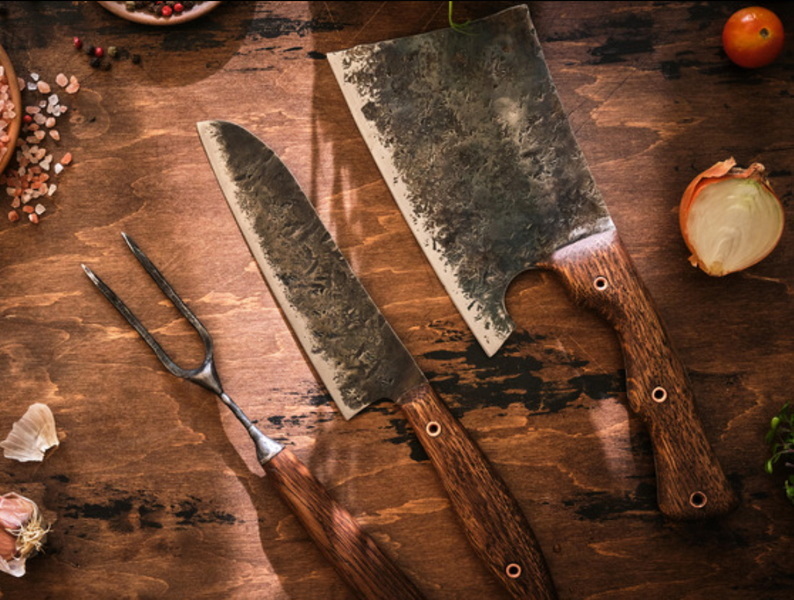
A cleaver knife is a large, heavy-duty knife characterized by a rectangular or square-shaped broad blade. It is specially designed to handle demanding tasks like chopping through bones, joints, thick meat, and dense vegetables.
- Blade Shape: Cleaver knives have broad, flat, and generally rectangular blades.
- Thickness and Weight: They are thicker and heavier than most kitchen knives, designed to deliver chopping power.
- Edge: The edge is usually straight and blunt enough to withstand repeated heavy impact.
- Handle Design: Handles are built sturdily for strong grip and control during heavy chopping.
A cleaver is a staple in Asian kitchens, especially Chinese culinary practices, because its shape and weight enable effective separation of meat from bone and chopping large vegetables with ease. It also serves multipurpose functions such as crushing garlic or ginger via the broad side of the blade.
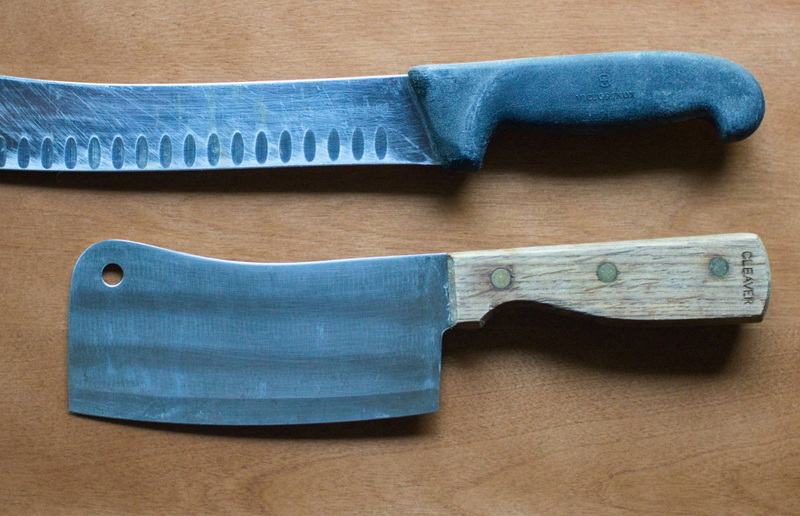
By contrast, a butcher knife is designed primarily for precise meat cutting operations. It features a curved blade optimized for slicing, trimming, and portioning various types of meat.
- Blade Shape: The butcher knife has a distinct curved blade that tapers to a sharp point.
- Thickness and Weight: Generally thinner and lighter compared to a cleaver knife.
- Edge: Equipped with a sharp curved edge intended for slicing and trimming with precision.
- Handle Design: Ergonomic handles improve control and reduce fatigue during extended usage.
The butcher knife is vital in butcher shops and meat processing plants for breaking down large meat sections, trimming unwanted fats or sinew, and slicing meat into portions ready for cooking or sale.
The structural design differences between these knives reflect their purposes:
- Cleaver Knife: The wide, flat blade provides stability and strength for powerful chopping. The thick spine absorbs impact forces from cutting through bone.
- Butcher Knife: The curved blade allows a smooth slicing action, facilitating controlled cuts across muscle fibers without damaging the underlying bone structure.
These blade shapes influence how the knives are used. Cleavers excel in chopping motions while butcher knives work best with slicing and trimming strokes.
- Cutting through hard bones or joints
- Chopping large blocks of meat or poultry
- Crushing garlic, ginger, or other aromatics with the flat side
- Dicing hard vegetables such as winter melon or squash
- Tasks requiring strong chopping force with minimal precision
The cleaver's design makes it ideal for rough, impactful cutting tasks where power is more important than fine control.
- Trimming fat, sinew, or silver skin from meat
- Slicing meat into uniform portions
- Breaking down primal cuts into smaller sections
- Making precise cuts around joints and bones
- Detailed work requiring control and finesse
The butcher knife's sharp curved edge and ergonomic design achieve clean, accurate cuts, minimizing waste and preparing meat for cooking or sale.
The blades of cleaver and butcher knives come in various high-quality steel varieties, some ideal for heavy-duty and some for precision cutting:
- High Carbon Stainless Steel: Combines edge retention, corrosion resistance, and strength. Popular for both cleaver knives and butcher knives.
- Damascus Steel: Known for exceptional sharpness and beautiful layered patterns; used in premium knife lines.
- Tool Steel: Extremely hard steels that hold sharpness but require more care to avoid corrosion.
- Stainless Steel: Offers rust resistance and ease of maintenance but may sacrifice some sharpness longevity.
Blade finishes vary from polished surfaces to matte coatings that reduce food adhesion. The blade hardness typically ranges from HRC 55 to 62, balancing sharpness and durability.
Maintaining a cleaver knife or butcher knife properly extends its lifespan and performance:
- Clean immediately after use with warm water and mild detergent.
- Avoid letting knives soak or placing them in dishwashers.
- Dry thoroughly to prevent rust, especially for high carbon steel blades.
- Regularly sharpen with appropriate whetstones or electric sharpeners.
- Use wooden or plastic cutting boards to protect the edge.
- Store in knife blocks, magnetic strips, or protective sheaths to avoid dulling.
As an established Chinese kitchen knife manufacturer with OEM service experience, cleaver knives offer excellent customization prospects:
- Brand Engraving: Laser or printed logos on blade surfaces or handles.
- Handle Material Options: Wood, plastic, composite (Pakkawood) tailored to target market preferences.
- Blade Customization: Non-stick or anti-rust coatings, blade thickness adjustment.
- Packaging Solutions: Retail-ready boxes or bulk wholesale packaging.
- MOQ and Pricing Flexibility: Cater to small brands and large-scale distributors alike.
OEM cleaver knives combine tradition with modern quality standards, making them attractive products to expand your international kitchen knife range.
While the cleaver knife and butcher knife might appear similar at first glance, they serve distinctly different roles in food preparation. The cleaver knife excels at heavy-duty chopping through bones and dense foods, featuring a broad, thick blade geared for power. In contrast, the butcher knife is designed for precise slicing, trimming, and portioning meat, characterized by its curved, sharp blade and ergonomic handle. Recognizing these differences ensures the right knife is selected for specific tasks—improving safety, efficiency, and culinary results. For OEM kitchen knife manufacturers, offering both knives with customizable branding enhances market competitiveness and addresses a wide range of consumer and professional needs. Quality blade materials, thoughtful design, and diligent maintenance can further elevate the value of these indispensable kitchen tools.
Cleavers are excellent for heavy chopping but can be bulky for everyday tasks. Many home cooks prefer lighter chef knives for regular use.
No, butcher knives are designed for slicing meat and trimming fat, not for cutting bones. Cleaver knives are better suited for that.
Sharpen with whetstones or sharpeners regularly, avoid cutting on hard surfaces like glass, and clean/dry immediately after use.
Yes, butcher knives come in various blade lengths and curvatures tailored to different meat cutting tasks.
Yes, OEM services typically allow engraving or printing logos on blades and custom handle designs to meet client specifications.


