- All
- Product Name
- Product Keyword
- Product Model
- Product Summary
- Product Description
- Multi Field Search

Views: 222 Author: Ann Publish Time: 2025-11-20 Origin: Site


Content Menu
● What Makes a Great Cheese Knife?
● 1. Blade Material: The Foundation of Quality
● 2. Handle Ergonomics: Comfort Meets Control
● 3. Blade Design: Function Defines Performance
● 4. Edge Type: Matching Cheese Texture
● 5. Balance and Weight: Precision in Your Hand
● 8. Design Aesthetic and Branding
● 9. Packaging and Presentation
● 10. Market Preferences and OEM Sourcing
>> Q1: What type of Cheese Knife is best for soft cheese?
>> Q2: How do I maintain a Cheese Knife's sharpness?
>> Q3: Can Cheese Knives be customized with brand logos?
>> Q4: Are Cheese Knives dishwasher safe?
>> Q5: How is a Cheese Knife different from a regular kitchen knife?
Cutting cheese might appear straightforward, yet choosing the wrong tool can result in sticky, uneven slices that spoil the experience. A well-crafted Cheese Knife is designed for precision, enabling you to slice through various cheese textures cleanly and easily. Whether you are a home cook, professional chef, or a kitchenware supplier sourcing OEM Cheese Knives from China, understanding the essential features will help you select products that blend performance, comfort, and style perfectly.

A Cheese Knife is more than just a blade; it's engineered to handle different cheese types—from soft and creamy to dense and crumbly—while minimizing sticking and preserving slice integrity. The best Cheese Knives combine thoughtful blade engineering, premium materials, and ergonomic comfort for superior cutting control.
The blade material is crucial for sharpness, durability, and rust resistance.
- Stainless Steel Blades: Often preferred for their corrosion resistance and ease of maintenance. High-carbon stainless steels (like 420J2 or 5Cr15MoV) are common exports used by OEM manufacturers for their balance of toughness and cost efficiency.
- Carbon Steel Blades: Known for exceptional sharpness but need careful maintenance to prevent rust. Favored by professionals who prioritize cutting performance.
- Damascus Steel Blades: Battery-patterned layered steel pieces combine aesthetics with high-end cutting performance, often used in premium Cheese Knife sets.
The handle affects grip stability, comfort, and handling safety.
- Wood Handles: Classic, warm feel ideal for premium or traditional Knife sets.
- Plastic/PP Handles: Lightweight, durable, and often dishwasher-safe; popular for budget-friendly options.
- Stainless Steel Handles: Sleek, modern, and hygienic, ideal for professional or minimalist collections.
- Pakkawood or Resin: Combine durability with decorative appeal.
For OEM clients, handle design should reflect the target market's preferences—luxury brands may prefer exotic woods or polished metals, while casual markets lean towards colorful, non-slip plastics.
Different blade shapes cater to different cheese textures:
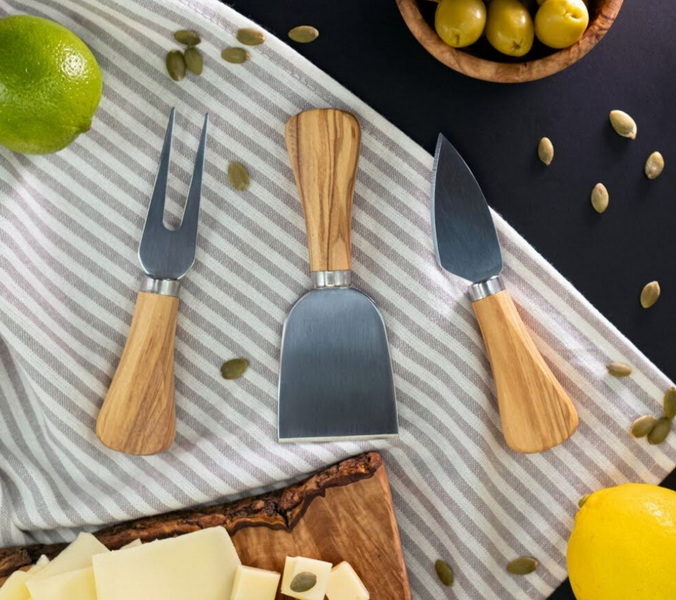
- Soft Cheese Knife: Usually has holes or perforations to reduce surface area and prevent sticking when slicing soft cheeses (brie, camembert).
- Hard Cheese Knife: Thick, robust blades designed to crack and slice hard cheeses like parmesan or aged cheddar.
- Cheese Cleaver: Miniature cleaver handy for breaking semi-hard blocks (gouda, havarti).
- Cheese Spreader: Rounded or blunt blades perfect for spreading soft cheeses like ricotta or cream cheese.
- Fork-Tipped Knife: Useful for serving slices, the forked tip picks up pieces conveniently after cutting.
- Straight Edges: Work well on firm cheeses for clean, controlled slices.
- Serrated Edges: Help tackle rind-covered or semi-soft cheeses without crushing them.
- Micro-Serrated Edges: Provide subtle cutting teeth, ideal for delicate cheeses.
- Double-Edged Blades: Preferred in commercial kitchens for multi-directional cutting utility.
OEM collections with varied edge types give retailers flexibility to address diverse consumer needs.
A well-balanced Cheese Knife provides comfort and cutting accuracy. Lightweight knives excel with soft cheeses, while heavier knives provide leverage on hard blocks. Quality OEM production ensures consistent weight for batch uniformity.
Blade finishing influences cut quality and upkeep:
- Mirror Polished: Offers shininess and easy cleaning.
- Matte/Satin: Reduces glare and fingerprints, increasingly popular in Europe.
- Non-Stick Coatings (Titanium, Teflon): Prevent cheese from sticking to the blade, ideal for very soft varieties.
Safe food practices demand easy-to-clean, rust-resistant knives:
- One-piece forged knives prevent food trapping.
- Dishwasher-safe stainless steel is preferred in homes and commercial kitchens.
- Avoid wooden handles in dishwashers to prevent warping.
For OEM buyers, brand identity matters:
- Laser engraving of logos on blades or handles.
- Custom handle colors, patterns, and materials.
- Coordinated packaging for retail or gift sets.
OEM factories in Yangjiang, China, provide customizable low MOQ options with superior finishing.
Packaging impacts sales and brand image:
- Premium magnetic gift boxes with foam inserts.
- Retail-friendly clamshell or blister packs.
- Eco-friendly kraft packaging for green-conscious customers.
- Wooden boxes combined with cheese boards for premium bundles.
OEM customization can include instructional cards or QR codes linking to product use videos for added value.
European consumers favor elegant, forged knives with matte finishes. North American buyers typically prefer ergonomic handles and decorative packaging. Asian markets often gravitate toward compact multifunctional sets.
China's OEM manufacturers, especially in Yangjiang, offer broad material choice, expert polishing, private labeling, and certifications to accommodate global market demands.
Choosing the right Cheese Knife elevates the cheese experience, combining precision, comfort, and style. From careful material selection to ergonomic design and branding options, each feature enhances usability and brand appeal. Buying from a reputable Chinese OEM factory lets you tailor Cheese Knife sets to your market with confidence in quality and customization. With the perfect Cheese Knife in hand, every cheese lover can enjoy flawless slices and sophisticated presentations.
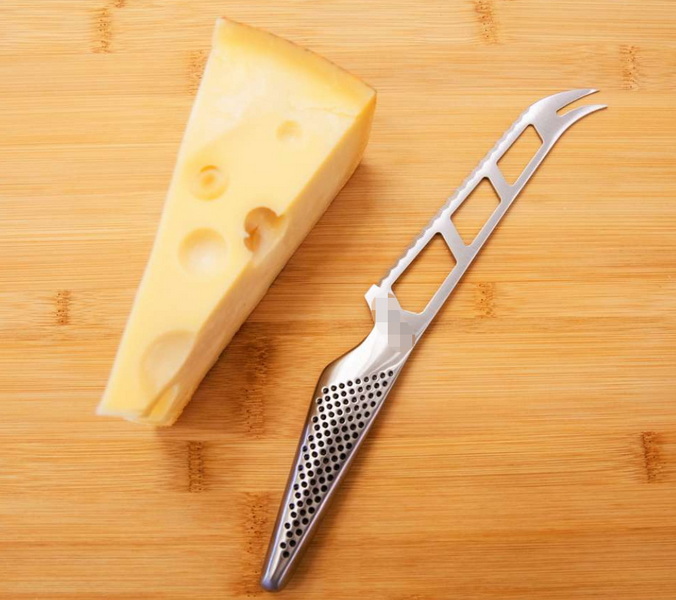
A Soft Cheese Knife with holes in the blade reduces sticking, ideal for cheeses like brie or camembert.
Clean it immediately after use, avoid cutting extremely hard objects, and sharpen periodically with a suitable whetstone or ceramic rod.
Yes, most OEM factories offer laser engraving or embossing for personalized branding on blades or handles.
Most stainless-steel Cheese Knives are dishwasher safe, but wooden handles should be hand-washed to maintain durability.
Cheese Knives reduce sticking and cater to cheese textures for cleaner cuts without crushing or smearing, unlike standard knives which often damage delicate cheeses.


