- All
- Product Name
- Product Keyword
- Product Model
- Product Summary
- Product Description
- Multi Field Search

Views: 222 Author: Ann Publish Time: 2025-08-25 Origin: Site


Content Menu
● The Importance of Kitchen Knife Blocks in Japanese Culinary Culture
● Leading Kitchen Knife Block Manufacturers and Suppliers in Japan
● Materials and Innovation in Japanese Kitchen Knife Blocks
● The Manufacturing Process: Japanese Craftsmanship in Kitchen Knife Production
● Quality Control and Longevity in Knife Blocks
● OEM and Customization Services
>> 1. What materials are commonly used in Japanese kitchen knife blocks?
>> 2. How do magnetic knife blocks work?
>> 3. Are Japanese knife blocks suitable for OEM production?
>> 4. What maintenance is required for Japanese knife blocks?
>> 5. Can knife blocks be customized for different knife collections?
Japan is renowned worldwide for its excellence in kitchen cutlery, combining centuries-old traditions with modern innovation. One essential component of a great kitchen knife set is the knife block—a thoughtfully designed storage solution that keeps knives safe, organized, and ready for use. This article explores the Top Kitchen Knife Block Manufacturers and Suppliers in Japan, showcasing the craftsmanship, design innovations, and quality materials that define Japanese kitchen knife blocks. It also highlights key industry leaders, providing insights valuable to overseas brand owners, wholesalers, and OEM partners looking for trusted Japanese partners.

In Japanese kitchens, knives are not merely tools; they are artistic extensions of the chef's skill and passion. Protecting these sharp instruments is a top priority, and kitchen knife blocks serve this crucial role. Besides offering safe storage to prevent blade damage and accidents, knife blocks reflect Japanese aesthetics—prioritizing natural materials, clean lines, and functional beauty.
Many Japanese knife block manufacturers and suppliers emphasize:
- Use of premium hardwoods like walnut, beech, and acacia.
- Incorporation of natural textures that harmonize with both traditional and modern kitchens.
- Innovative features such as magnetic holding systems and modular designs.
- Craftsmanship blending meticulous handwork with cutting-edge technology.
Here are several top manufacturers known for their outstanding kitchen knife blocks, which also serve as OEM partners for international brands:
Based in Seki, Japan—a city famed for its sword and knife making traditions—Shizu Hamono is celebrated for its magnetic knife block systems. These blocks allow knives to be stored visibly and safely without dulling edges, thanks to powerful magnets that hold blades securely in place. The natural wood construction offers organic texture and warmth.
Features:
- Magnetic holding system for versatile knife placement.
- Compact size ideal for most kitchen countertops.
- Crafted with precision to highlight traditional Japanese artistry.
Senken is dedicated to using natural hardwoods such as acacia to create durable, smooth-finished knife blocks. Their complete block and knife sets range from 11 to 16 pieces, designed for professional chefs and serious home cooks alike. Senken balances traditional woodworking techniques with contemporary style, making their blocks both protective and aesthetic centerpieces.
Highlights:
- Wide range of knife block sets.
- Emphasis on craftsmanship and longevity.
- Suitable for diverse kitchen décors.
Operating out of Osaka and Tokyo, Tower Knives specializes in artisan-crafted knife blocks that marry functionality with traditional Japanese craft. They often collaborate with master craftsmen to produce exclusive knife block designs that feature unique woods and finishes.
Key points:
- Specialty shop with expert advice.
- Traditional Japanese knife-making techniques integrated.
- Limited-edition collections.
Cuisine::pro® caters to chefs demanding precision and durability. Their knife blocks often feature premium Japanese steel components, such as Damascus steel, paired with elegant wooden blocks. This brand offers modern, sleek designs suited to contemporary kitchens.
Notable features:
- High-quality steel knife blocks.
- Sets typically include 7 to 10 pieces.
- Stylish, functional, and built to last.
Japanese manufacturers widely favor natural hardwoods—walnut, beech, and acacia—for their strength, beauty, and resistance to wear. Bamboo, known for its sustainability and moisture resistance, is another common material in green-conscious designs. Beyond traditional materials, innovations include:
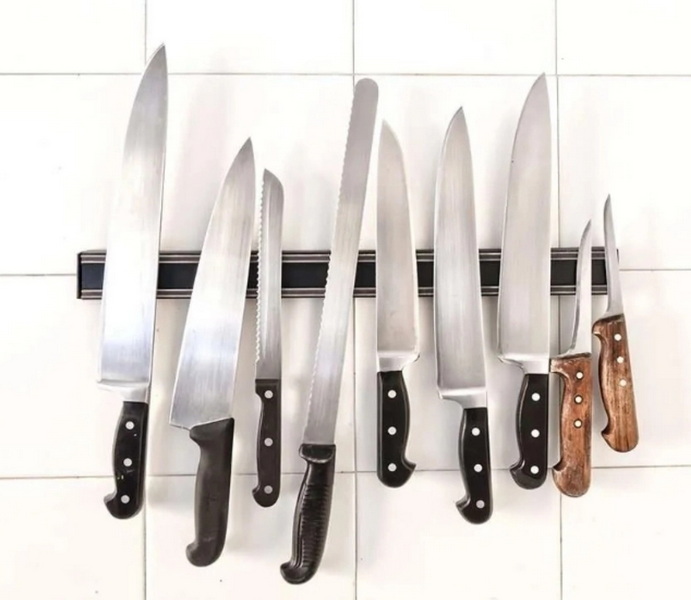
- Magnetic Knife Blocks: These use magnets embedded in the wood, holding knives securely without the need for slots. This design helps maintain blade sharpness and provides elegant knife display.
- Modular Blocks: Customizable configurations allow chefs to rearrange slots or magnetic areas based on their knife collection changes over time.
- Wall-Mounted Racks: Some suppliers offer magnetic knife racks that save counter space and turn knives into kitchen art.
- Smart Features: Advanced blocks incorporate humidity control or built-in sharpeners to care for both knives and blocks.
Understanding the intricate manufacturing processes of Japanese kitchen knives provides deeper appreciation for their blocks, which complement such prized tools. While focusing on knife blocks, manufacturers often collaborate closely with blade makers, ensuring harmonious quality.
The creation of a traditional Japanese kitchen knife typically involves:
- Forge Welding and Shaping: Steel for the knife's blade is forged by heating to around 1000°C and hammering to achieve the desired shape and thickness. This multi-step hammering compresses the metal to eliminate impurities and create a strong, sharp edge.
- Layered Steel Construction: Many knives use a three-layer structure, sandwiching a hard high-carbon steel blade between softer stainless steel layers. This design balances cutting performance with durability.
- Quenching and Tempering: Heated blades are rapidly cooled (quenched) to harden the steel, then tempered by reheating at lower temperatures to remove brittleness, resulting in sharp, resilient blades.
- Sharpening and Polishing: Skilled artisans hand-sharpen each blade, refining the edge with whetstones, and polish the blade to a mirror finish.
- Handle Making: Handles are crafted from various premium woods and materials, shaped carefully to balance ergonomics, aesthetics, and durability.
The knife blocks are crafted with equal care, emphasizing joinery skills, sanding, finishing, and testing for moisture resistance and mechanical strength.
Japanese kitchen knife block manufacturers employ rigorous quality control processes to ensure durability and safety:
- Moisture and Warping Resistance: Woods are treated with natural oils or sealants to withstand humid kitchen environments without cracking or warping.
- Magnetic Strength Testing: Strength of magnets embedded in blocks is tested to prevent accidental slips or damage while allowing easy knife removal.
- Slot Precision: For traditional slot-style blocks, exact sizing prevents knife movement which could dull edges or cause accidents.
- Sustainability Practices: Many suppliers adopt eco-friendly woodworking and sourcing, supporting long-term resource conservation.
These efforts guarantee that Japanese knife blocks maintain their functionality and beauty for years.
Many Japanese manufacturers offer tailored OEM solutions, enabling foreign brands and wholesalers to develop exclusive knife block designs. Services often include:
- Logo integration on blocks and packaging.
- Selection from various wood species, finishes, and dimensions.
- Incorporation of special features like magnetic panels or modular inserts.
- Volume pricing for bulk orders.
- Collaboration in design to meet target market trends.
Leveraging Japanese expertise helps overseas brands differentiate their kitchenware offerings with authentic craftsmanship.
Japan's kitchen knife block manufacturers and suppliers stand at the intersection of tradition and innovation. Their products exemplify meticulous craftsmanship, the use of premium natural materials, and innovative designs like magnetic and modular systems. For overseas brands seeking OEM partners, these manufacturers offer highly customizable, quality-assured blocks that elevate kitchen knife storage to functional works of art.
Choosing knife blocks from Japan ensures not only superior protection for knives but also a harmonious addition to any culinary space marked by sophistication, utility, and a heritage of excellence.
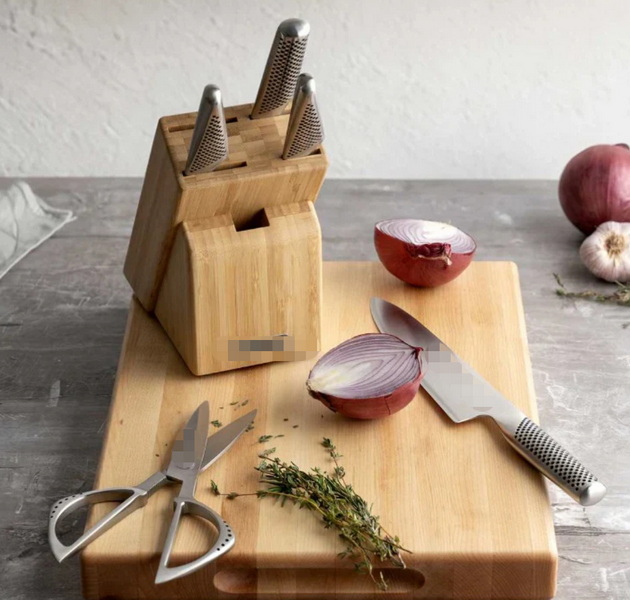
Japanese manufacturers typically use hardwoods such as walnut, beech, and acacia, as well as sustainable bamboo. Some blocks integrate metal or resin accents for durability.
Magnetic knife blocks have embedded magnets that hold knives securely by their blades, allowing easy access and preventing dulling by avoiding slot contact.
Yes. Many Japanese suppliers offer OEM services that include custom designs, branded packaging, and material selection to meet overseas market needs.
Blocks should be kept dry and clean to prevent moisture damage. Magnetic elements need cleaning occasionally, and wooden blocks benefit from periodic oiling.
Modern Japanese manufacturers offer modular and customizable blocks adaptable to various knife shapes and sizes, helping users configure storage as their collection evolves.


