- All
- Product Name
- Product Keyword
- Product Model
- Product Summary
- Product Description
- Multi Field Search

Views: 222 Author: Ann Publish Time: 2025-07-25 Origin: Site


Content Menu
● What is MOQ and Why Does It Matter?
● Benefits of Low MOQ Kitchen Knife Orders for Small Businesses
>> 2. Better Inventory Management
>> 4. Access to Customized Kitchen Knives through OEM Services
>> 5. Lower Production and Shipping Costs with Flexibility
>> 6. Improved Cash Flow and Resource Allocation
● How Low MOQ Supports Building Customer Loyalty
>> Commitment and Reliability through Quality Kitchen Knives
● Leveraging Low MOQ Kitchen Knife Orders for Effective Sales and Marketing
● Frequently Asked Questions (FAQs)
>> Q1: What is the typical MOQ for kitchen knife OEM orders?
>> Q2: Can small businesses get customized kitchen knives with low MOQs?
>> Q3: How does low MOQ affect product pricing?
>> Q4: Are low MOQ kitchen knife orders suitable for exporting to international markets?
>> Q5: What quality standards do OEM factories maintain on low MOQ orders?
For small businesses venturing into the kitchenware market, especially those planning to offer high-quality kitchen knives, managing costs and inventory is a delicate balancing act. Minimum Order Quantity (MOQ) policies, notably low MOQs, offer a strategic advantage by providing flexibility, reducing financial risks, and enhancing market responsiveness. This article dives deep into why low MOQ kitchen knife orders are ideal for small businesses. We explore operational benefits, market agility, customization via OEM services, and how these advantages translate into better cash flow and stronger customer loyalty.
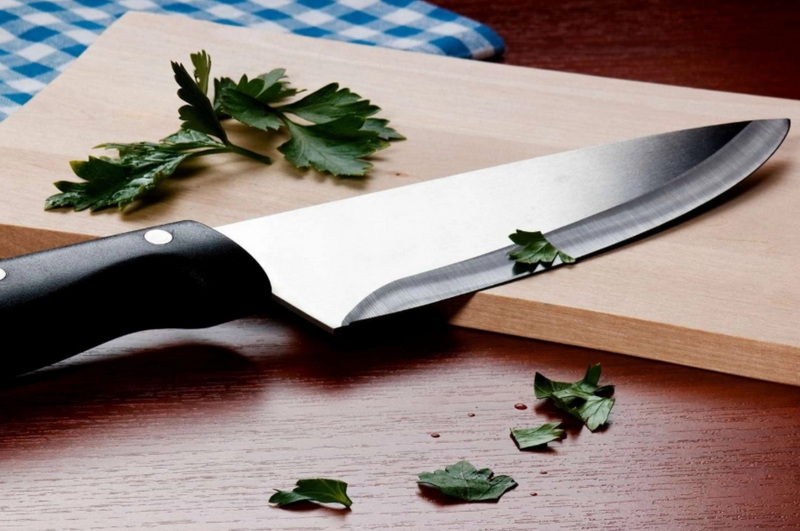
MOQ, or Minimum Order Quantity, is the smallest number of units a manufacturer requires a buyer to purchase in a single order. In the realm of kitchen knife manufacturing, MOQ has a pivotal role in balancing production efficiency with financial and operational risk management. For large enterprises, higher MOQs optimize manufacturing and shipping costs, but for smaller businesses, high MOQs may create inventory and cash flow challenges.
Understanding MOQ helps small business owners make informed decisions on order size, allowing them to manage inventory effectively, meet customer demand, and scale sustainably. Today, many advanced Chinese kitchen knife factories offer low MOQ options that specially cater to small brands, startups, and wholesalers.
Small business owners often operate on limited capital. Low MOQ kitchen knife orders allow them to purchase in smaller batches, reducing the amount of money tied up in inventory. This approach diminishes the risks associated with unsold stock, as smaller inventory volumes are easier to manage and pivot quickly if customer preferences change.
Imagine a startup launching its first kitchen knife line. Instead of committing to 1,000 units, which could cost thousands of dollars, the company can start with just 100 or 200 units. This financial flexibility supports experimentation and market testing without jeopardizing the company's cash flow.
Inventory management can make or break a small business. Overstocking leads to unnecessary storage costs and increased risk of product obsolescence, while understocking results in lost sales and dissatisfied customers. Low MOQ orders empower sellers to maintain tightly controlled inventory levels that align closely with market demand.
This means products can be replenished more frequently and in smaller quantities, ensuring freshness in the product line and adapting easily to shifting consumer trends. This advantage is especially crucial in today's fast-paced kitchenware industry, where design trends and consumer preferences can shift quickly.
Small businesses benefit immensely from the ability to quickly respond to changing market dynamics, customer feedback, and competitor moves. Low MOQ kitchen knife orders provide the flexibility needed to launch new designs, test different packaging styles, or introduce seasonal and limited-edition products without financial overcommitment.
This responsiveness is a cornerstone of competitive advantage. For example, if a particular knife handle material suddenly gains popularity, small brands can rapidly prototype and stock small batches to capture newfound demand.
OEM (Original Equipment Manufacturer) services are a game-changer for small businesses wanting to carve out their own brand identity in the competitive kitchen knife industry. Many Chinese factories now specialize in offering fully customizable kitchen knife orders with low MOQs, allowing small brands to create unique blade shapes, handle materials, ergonomic designs, and custom logo engravings on packaging and knives themselves.
This customization transforms standard kitchen knives into branded products reflective of the business's vision and appeal. It helps small businesses differentiate themselves, attract niche markets, and build brand loyalty.
Though it's common to assume higher MOQ means lower unit cost, optimized Chinese OEM factories use advanced manufacturing techniques to keep prices competitive for low MOQ orders. Additionally, splitting orders into smaller batches can reduce warehousing and shipping costs, as businesses can order as needed rather than storing large stocks overseas.
Moreover, shipping smaller batches more frequently reduces lead time to customers, improving service levels. It also lessens the risk of bulk shipments being held up at customs or damaged in transit.
By committing to smaller order volumes, small businesses can free up capital for other critical areas such as marketing, staff training, and product development. Managing cash flow carefully is essential in the early stages of a business.
For example, with low MOQ orders, a small kitchen knife brand can allocate more budget to digital advertising or influencer campaigns that directly drive sales, rather than locking funds in large inventories that might take months to turn over.
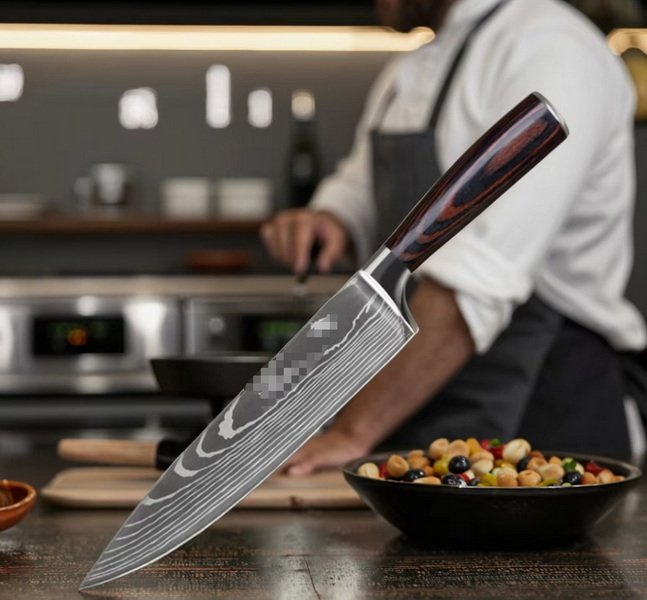
Customer trust and loyalty grow when brands can offer high-quality, reliable kitchen knives tailored to their needs. Small businesses using low MOQ orders can test different product mixes, seasonal variants, or exclusive editions, directly responding to their customers' feedback and preferences. This two-way interaction builds rapport and brand credibility.
Offering customized packaging and knife engraving further personalizes the customer experience, driving repeat purchases and positive word-of-mouth.
Small businesses can maximize the marketing potential of low MOQ orders by:
- Launching Targeted Campaigns: Small batches allow testing of regional or demographic-specific kitchen knife designs and packaging before committing to larger orders.
- Offering Bundles or Gift Sets: Low MOQ facilitates assembling promotional bundles (knife sets, accessories) that encourage higher per-customer sales.
- Customer Feedback Integration: Rapid production turnaround enables quick implementation of customer suggestions right into new product batches.
- Innovative Packaging: Experimenting with packaging concepts (eco-friendly materials, gift boxes) to find what resonates best supports branding.
Low MOQ kitchen knife orders present a perfect solution for small businesses striving for flexibility, financial prudence, and steady growth in a competitive market. They enable careful inventory control, allow rapid response to market trends, and open doors to affordable customizations tailored to brand needs. By partnering with experienced OEM kitchen knife manufacturers, small brands can reduce risks, improve cash flow, and enhance customer loyalty. These advantages provide a strong foundation for building sustainable, distinctive kitchen knife brands capable of scaling successfully in domestic and international markets.
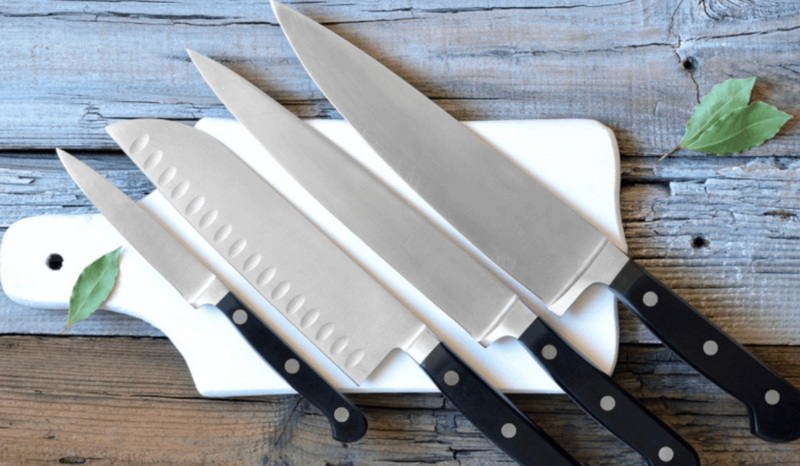
A1: MOQs vary depending on the factory and customization level. However, many manufacturers offer low MOQ options starting from around 50 to 200 units, making order sizes manageable for small businesses.
A2: Yes. Many Chinese OEM factories provide full customization services — including blade style, handle design, materials, and branding — even for small orders.
A3: While unit costs may be somewhat higher compared to bulk orders, optimized factories balance costs to keep prices competitive for small batches, ensuring quality isn't compromised.
A4: Absolutely. Small quantities allow businesses to test their products internationally with lower upfront costs and scale production as orders grow.
A5: Reputable factories maintain strict quality control procedures and are often certified to international standards (e.g., ISO 9001), ensuring every knife meets safety and quality benchmarks regardless of order size.


