- All
- Product Name
- Product Keyword
- Product Model
- Product Summary
- Product Description
- Multi Field Search

Views: 222 Author: Ann Publish Time: 2025-11-13 Origin: Site


Content Menu
● What constitutes quality in a Pizza Cutter
>> Blade material and edge geometry
>> Handle design and overall build
>> Sanitation, safety, and maintenance
>> Longevity and performance consistency
>> Manufacturing processes that elevate quality
>> OEM considerations for international brands
>> Design variants and their trade-offs
● How quality translates into the user experience
● Practical guidance for international OEM partnerships
● FAQ
>> What materials are commonly used for high-quality Pizza Cutter blades?
>> How does blade geometry affect slice consistency?
>> What safety features should a top-tier Pizza Cutter have?
>> How easy is it to sanitize advanced Pizza Cutters in commercial kitchens?
>> What OEM options are typically available for international brands?
Pizza Cutter is more than a simple kitchen tool; it is a precision instrument that shapes the dining experience. A high-quality Pizza Cutter glides through crust with minimal resistance, delivering clean slices that preserve toppings and cheese while reducing mess. The choice of blade material, edge geometry, and handle ergonomics all contribute to consistent performance, hygienic maintenance, and long-term reliability. For OEM partners and international buyers, selecting a Pizza Cutter built on rigorous quality standards translates into fewer returns, stronger brand trust, and better overall value. This article delves into what makes a Pizza Cutter truly high quality, how to evaluate options, and what OEM manufacturers can offer to brands worldwide.
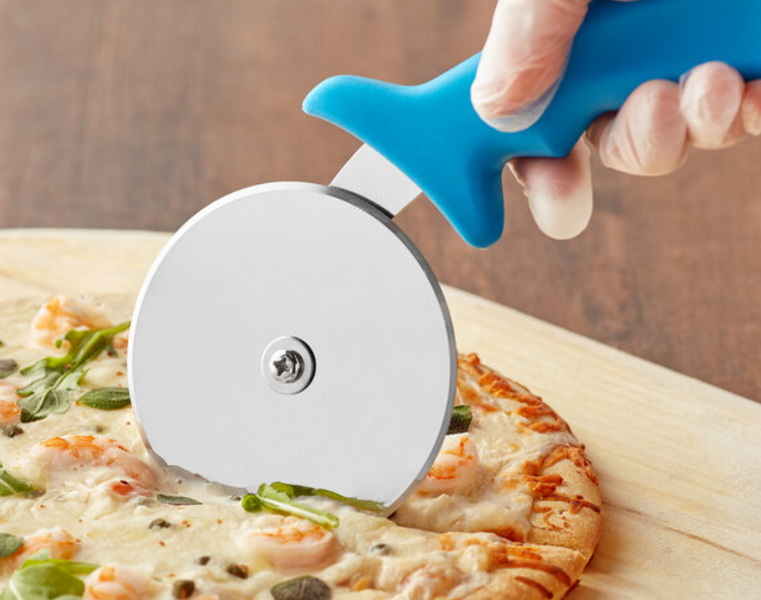
- The blade is the heart of the Pizza Cutter. High-quality cutters typically use stainless steel alloys with proven corrosion resistance, high hardness, and minimal edge roll. The knife-edge geometry—whether a traditional curved wheel or a modern sharp-edged blade—determines slice uniformity and crust integrity. A well-made blade maintains a sharp, smooth cutting edge through repeated use and cleaning, reducing tearing of toppings and crust.
- For OEM contexts, specification sheets should include: stainless steel grade (e.g., 304/316 equivalents in the food-contact sector), Rockwell hardness range, surface finish (mirror polish vs satin) and edge finishing process (micro-bevel vs single bevel). These factors influence longevity, ease of maintenance, and user satisfaction.
- The handle must complement the blade, providing a secure, comfortable grip under prolonged use. Ergonomic profiles, non-slip materials (such as food-grade elastomer or textured plastics), and balanced weight distribution contribute to fatigue-free slicing. The connection between blade and handle—screws, rivets, or integrated castings—should be robust enough to withstand hospital-grade usage in commercial kitchens or high-volume retail settings.
- For OEM customers, options typically include different handle materials, colorways, texture patterns, and branding treatments (engraving, laser etching, or printed logos). A well-engineered interface between wheel, axle, and handle reduces wobble and ensures consistent performance across batches.
- Food-contact safety is non-negotiable. Surfaces should be non-porous, easy to sanitize, and resistant to common kitchen cleaners. Smooth, seamless junctions reduce hidden contaminants and simplify cleaning. Rounded edges and recessed areas should be avoided to minimize the risk of food particles accumulating.
- Safety features matter: a secure locking mechanism to prevent accidental wheel rotation during storage, a finger guard or shield on certain models, and ergonomic grips that keep hands away from the blade edge during use. For commercial environments, dishwasher-safe ratings or recommended cleaning guidelines are key information for brands.
- Quality is proven by how a cutter performs over time. A premium Pizza Cutter should maintain edge sharpness after multiple cleanings and slicing sessions, with minimal need for professional re-sharpening. Materials should resist corrosion and discoloration, even with acidic marinades or tomato sauces. For OEM buyers, providing performance data across a baseline usage scenario (e.g., 1000 slices per week for six months) helps in evaluating total cost of ownership.
- Raw material selection and sourcing: traceable supply chains, certified suppliers, and documented material certificates reassure brand partners about quality and compliance.
- Forming and machining: precision stamping, laser cutting, or CNC machining produce consistent blade profiles. Tight tolerances reduce wobble and improve cutting uniformity.
- Surface treatment: passivation or protective coatings can enhance corrosion resistance and ease of cleaning; mirror-polish finishes demand meticulous polishing quality controls.
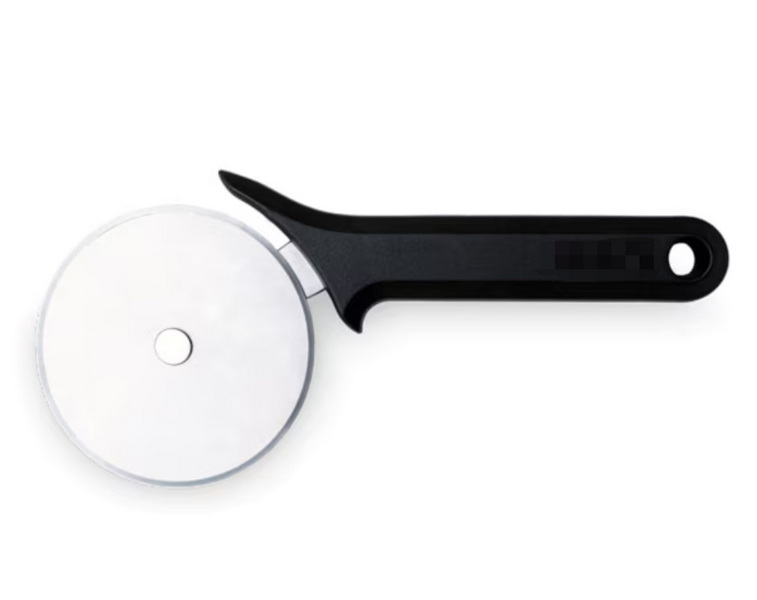
- Customization options: many brands seek to differentiate through blade width, wheel diameter, handle shape, color schemes, and branding elements such as laser-etched logos or embossed patterns.
- Compliance and safety standards: products intended for global markets must align with food-contact regulations, materials safety standards, and labeling requirements. Providing a complete compliance dossier (material safety data sheets, certificates of conformity, and cleaning instructions) helps build trust with distributors and retailers.
- Supply chain resilience: lead times, minimum order quantities, and buffer stock policies influence a brand's ability to meet demand peaks. Demonstrating scalable production capacity and predictable delivery schedules is a strong selling point.
- After-sales support: manufacturers who offer spare parts, warranty coverage, and clear maintenance guidance tend to retain customer loyalty in the long term.
- Wheel style: traditional round wheel provides simple geometry and predictable cutting behavior, while modern wheels may incorporate micro-edge designs to reduce drag and improve glide.
- Blade thickness: thinner blades require greater manufacturing precision but provide lighter cutting action; thicker blades offer durability in heavy-duty tasks but may exert more resistance on delicate crusts.
- Handle ergonomics: smaller hands may benefit from contoured grips and softer materials; larger cooks may prefer extended tangs or additional finger rests for control during extended prep sessions.
- Aesthetic and branding: color anodizing, engraved branding, and packaging design contribute to shelf appeal and perceived value, especially in exterior-facing OEM partnerships.
- Cutting performance: the primary immediate effect is clean, consistent slices with minimal squashing of toppings. A high-quality cutter preserves crust integrity, resulting in an appealing presentation and reduced waste.
- Comfort and control: ergonomic handling reduces fatigue, enabling faster service in high-volume environments while maintaining precision.
- Hygiene and maintenance: non-porous surfaces and simple cleaning protocols reduce the risk of cross-contamination, a critical factor for restaurants and consumer facing brands.
- Longevity and cost savings: higher upfront quality often reduces downtime, warranty costs, and replacement frequency, delivering lower total ownership costs for businesses over time.
- Requirements gathering: collect detailed specs from clients, including blade width, wheel diameter, handle material, logo placement, packaging, and required certifications.
- Prototyping and testing: deliver prototype samples that reflect critical tolerances and branding for evaluation; include performance tests and cleaning/test protocols.
- Documentation: provide a comprehensive package including bill of materials, process flows, quality control checklists, and compliance certificates.
- Scale-up considerations: plan for ramp-up with staged pilot runs, ensuring quality parity across full production when orders scale.
Quality is the cornerstone of a successful Pizza Cutter program in international OEM collaboration. A cutter that combines durable blade material, precise geometry, ergonomic handling, and hygienic design delivers superior cutting performance, easier maintenance, and lower lifecycle costs. For brands and distributors, partnering with a manufacturer that can provide robust material certifications, consistent production quality, customizable branding options, and dependable logistics translates into reliable supply, consistent consumer satisfaction, and long-term market growth. In short, investing in a high-quality Pizza Cutter is not merely about one tool; it is about elevating product portfolios, strengthening brand trust, and delivering tangible value to end users.
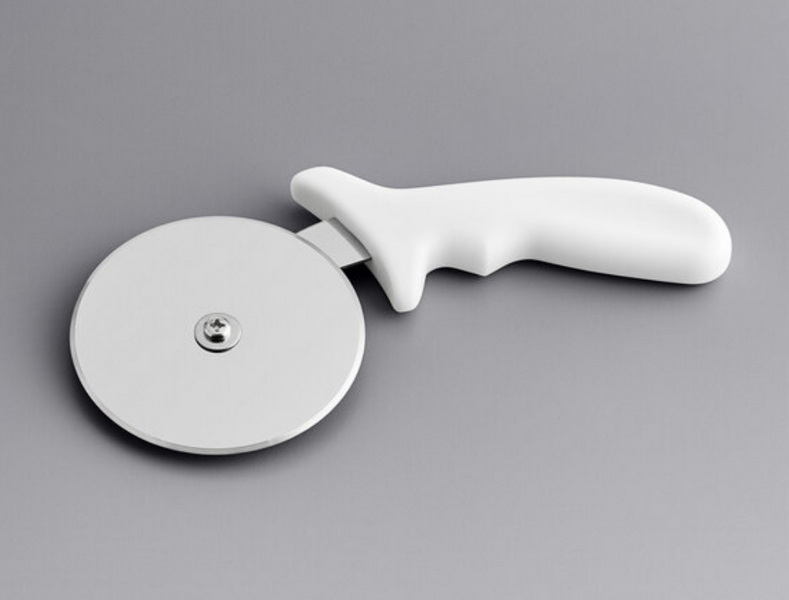
Answer: Premium Pizza Cutter blades are typically made from food-grade stainless steel alloys with proven corrosion resistance and high hardness. This combination supports long edge retention, safe contact with foods, and ease of cleaning. The exact alloy and heat treatment are chosen to maximize wear resistance and minimize rust or pitting over time.
Answer: Blade geometry influences how smoothly the wheel engages the crust and how evenly the cut traverses the pizza. A well-formed cutting edge minimizes drag, avoids tearing, and yields uniform slices. Precision machining and consistent edge finishing are essential to maintain repeatable results across batches.
Answer: Key safety features include a secure wheel axle to prevent unintended rotation, finger guards or protected edge contours, and a non-slip handle that remains comfortable when wet. Storage aids like blade covers or magnetic holders can enhance safety in busy kitchens.
Answer: Non-porous surfaces, rounded junctions, and minimal crevices simplify cleaning and reduce harbor points for bacteria. Many high-quality cutters are rated as dishwasher-safe or provide explicit cleaning guidelines to ensure safe sanitation without compromising the finish.
Answer: OEM clients often customize blade width, wheel diameter, handle material and color, branding (laser etching, embossing), packaging, and labeling. They also request certification packages, traceability, and scalable production capacity to align with global distribution needs.


