- All
- Product Name
- Product Keyword
- Product Model
- Product Summary
- Product Description
- Multi Field Search

Views: 222 Author: Ann Publish Time: 2025-11-14 Origin: Site


Content Menu
● What a Pizza Cutter Is and Why It Matters
● Economy Options: Affordable Pizza Cutters
● Premium Options: Premium Pizza Cutters
● Design and Engineering Considerations for OEM Projects
>> Blade geometry and edge quality
>> Handle ergonomics and material science
>> Rotational mechanism and reliability
>> Coatings and surface treatments
>> Packaging, branding, and value communication
>> Environmental and regulatory considerations
>> Cost, quality, and lifecycle considerations
● Market Positioning and OEM Strategy
>> Case-free guidance for OEM buyers
>> Usage Scenarios and Customer Education
● The Single Concluding Summary
● FAQ
>> What differentiates affordable from premium pizza cutters?
>> How should an OEM partner approach material selection?
>> Are premium cutters worth the extra cost?
>> What customization options are typically available in OEM programs?
>> What indicators matter most when evaluating cutters?
Pizza cutter design blends practicality with perception. For brand owners, wholesalers, and manufacturers, the choice between affordable and premium pizza cutters is not merely about price; it's about yield, brand reputation, and long-term customer satisfaction. This article builds on the core comparison between affordable and premium pizza cutters, and expands to cover materials science, geometries, ergonomics, durability, lifecycle costs, packaging, and OEM-ready strategies. Real-world considerations for kitchenware OEMs—especially those serving international brands—are highlighted to help decide which product lines to pursue, how to position them, and how to optimize both performance and profitability in a competitive market.
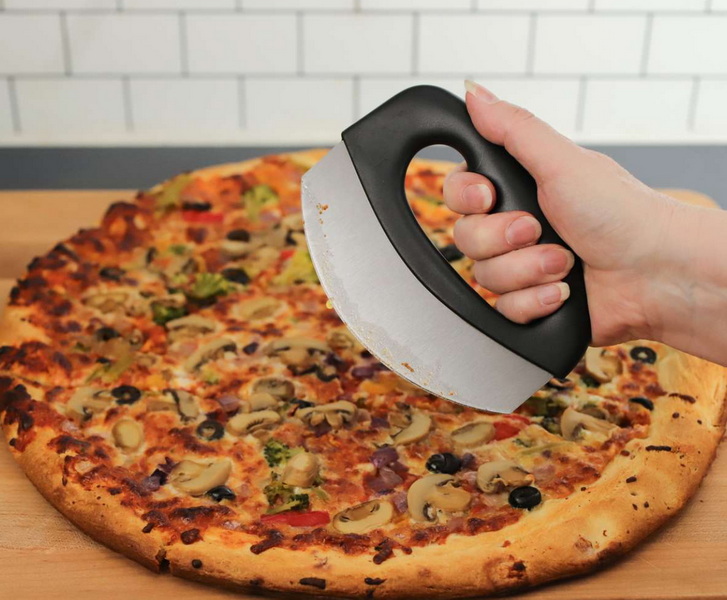
A pizza cutter is a dedicated tool designed to slice pizza crust, cheese, and toppings with consistent, clean edges. The most common forms are wheel cutters (rotating disks) and rocking blade cutters (elongated curved blades). The right design minimizes drag, ensures uniform slice thickness, and reduces toppings from shifting during cut, all of which elevate user experience in both home kitchens and professional settings. For OEM development, these functional attributes translate into measurable metrics: edge retention, cut quality across crust variants, ease of cleaning, and durability under repeated use.
- Blade: Usually thinner, lower-cost stainless steel or alloy blades with simpler edge geometry. While adequate for light or occasional use, wear resistance may be limited.
- Handle: Often plastic or lightweight metal; grip ergonomics are basic, and anti-slip features may be minimal.
- Overall build: Designed for cost efficiency and batch production, with tighter tolerances that still meet basic safety requirements.
- Cutting capability: Sufficient for standard home-pizza nights or casual gatherings, but may struggle with very thick crusts or heavily topped pies.
- Longevity: Roughly adequate for occasional use; sharper edges dull more quickly, and corrosion resistance may be lower than premium counterparts.
- Maintenance: Generally easy to clean but may require more frequent blade replacement or adjustment in high-use environments.
- Customization options tend to focus on branding (logos, colors, packaging) rather than high-end material choices.
- Cost control is the primary driver; lead times may be shorter due to simpler components and processes.
- Blade: Thick, high-quality stainless steel or specialized steel alloys with optimized heat treatment to maximize edge retention and wear resistance.
- Handle: Ergonomically molded, often with non-slip materials, sometimes wood or metal accents for premium aesthetics.
- Mechanism: Higher-grade bearings or bushings, tighter tolerances, and improved protection against lubricant seepage, contributing to smoother rotation and longer service life.
- Cutting capability: Consistent, clean slices across a wide range of crust types, including dense or heavily topped pies.
- Longevity: Enhanced rust resistance, edge retention, and structural integrity over years of regular use.
- Maintenance: Often dishwasher-safe or designed for easy, safe cleaning; longer intervals between blade replacements.
- Customization depth: Opportunities to tailor blade geometry, handle material, color options, branding, packaging, and instructional literature.
- Quality assurance: More stringent testing regimes (icity tests, edge retention tests, corrosion tests) to ensure cross-batch consistency.
- Brand leverage: Premium products support higher price points, larger margins, and the ability to differentiate in crowded markets through storytelling and design language.
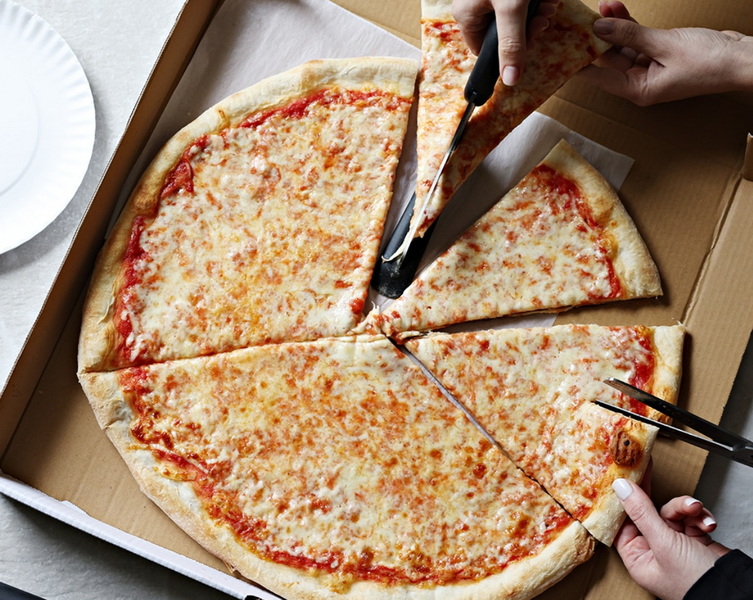
- Knife-edge consistency: Premium products benefit from controlled grinding sequences and precise sharpening angles to ensure a uniform edge along the circumference.
- Blade thickness: A thicker blade often yields better durability but may require refined leverage in the handle design to minimize fatigue.
- Grip comfort: Contoured shapes, textured surfaces, and balanced weight distribution reduce user fatigue during extended use.
- Material selection: Premium handles use durable composites, wood, or metal with coatings that resist wear and moisture exposure.
- Bearings and axles: High-quality bearings reduce wheel resistance and provide smoother rotation, especially under high-frequency use by professionals.
- Sealing and corrosion protection: Premium units commonly feature sealed components to prevent ingress of food particles and moisture.
- Anti-corrosion coatings and polished finishes maintain appearance and hygiene standards in commercial environments.
- Cosmetic treatments contribute to brand perception and user trust, particularly in gift or premium retail channels.
- Premium packaging often includes protective sleeves, informative pamphlets, care instructions, and branding that reinforces the product's story.
- For OEMs, packaging is a powerful differentiator: it signals durability, warranty expectations, and maintenance requirements.
- Material sourcing and sustainability: Increasing demand for responsibly sourced materials and transparent supply chains.
- Safety compliance: Packaging, labeling, and product testing must align with regional regulations (e.g., consumer safety standards, food-contact approval).
- Total cost of ownership: While premium cutters incur higher upfront costs, longer lifespans, reduced replacement frequency, and stronger brand appeal can yield lower lifecycle costs per unit.
- Scale and demand: Affordable lines are attractive for large-volume distribution, promotions, and entry-level markets; premium lines suit distributors targeting premium segments, boutique brands, or culinary schools with brand-building objectives.
- Home cooks seeking reliability and value: Affordable lines that deliver consistent performance at a lower price point.
- Professional kitchens and gift-oriented brands: Premium lines that convey quality, craftsmanship, and brand heritage.
- North America and Europe: Emphasis on durability, customer support, and warranty; premium lines often perform better in specialty stores and online exclusives.
- Asia-Pacific and emerging markets: Price sensitivity is higher, but the OEM capability to provide branding and localized packaging can unlock growth through value-added offerings.
- Assess cross-market needs: If selling across multiple regions, consider product variants that meet different safety standards and consumer expectations.
- Balance supply chain resilience: Multiple suppliers for critical components reduce risk and improve lead times.
- Home users: Quick tutorials on choosing between affordable and premium based on frequency of pizza nights and desired crust types.
- Small cafes and pizzerias: Guidance on balancing cost with reliability, including how premium tools can shorten prep times and improve portioning consistency.
- Hospitality and boutique brands: Emphasize design-driven messaging, packaging, and customization options to strengthen brand storytelling.
- Cleaning and drying routines: After use, rinse, dry, and store in a protective environment to prevent corrosion and edge dulling.
- Regular inspection: Check blade edge for nicks, inspect handle for cracks or looseness, and confirm wheel rotation remains unhindered.
- Replacement strategy: Establish an expected maintenance cycle for blade sharpening or replacement, based on usage patterns and crust thickness encountered in typical menus.
Affordable and premium pizza cutters serve different customer needs but share a common objective: enabling clean, fast, reliable pizza slicing. Affordable cutters deliver value through cost efficiency, mass production readiness, and broad accessibility, making them ideal for entry-level markets, gift sets, and high-volume promotions. Premium cutters deliver durable performance, refined ergonomics, and brand-enhancing aesthetics that justify higher price points in professional kitchens, boutique retailers, and premium OEM partnerships. For brand owners and manufacturers, the optimal path often involves a dual approach: maintain a robust affordable line to capture volume and experiment with premium offerings to win loyalty, differentiation, and higher-margin opportunities. By aligning material choices, manufacturing processes, and branding with clear market segmentation, an OEM program can achieve sustainable growth and a resilient market position.
In the end, the choice between Affordable vs. Premium Pizza Cutters is a strategic decision that hinges on target markets, brand ambitions, and production capabilities. A well-structured OEM program can leverage both lines to maximize revenue streams, minimize risk, and build durable customer relationships. By combining rigorous material selection, precise manufacturing controls, thoughtful design, and compelling branding, an OEM supplier can deliver pizza cutters that not only cut effectively but also tell a compelling product story—one that resonates with international buyers, retailers, and end consumers alike.
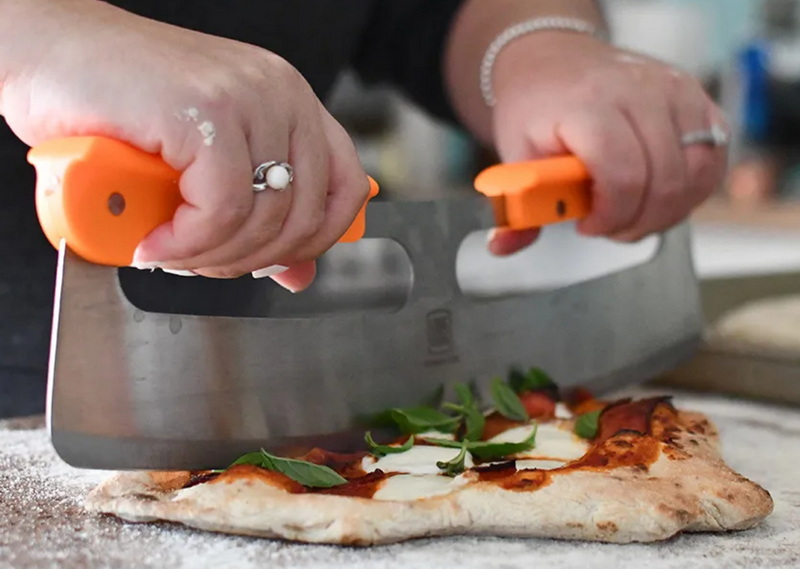
Material quality, blade geometry and thickness, handle ergonomics, rotation mechanism, durability, and packaging/branding.
Prioritize balance: high-end markets require robust blades and ergonomic handles; cost-sensitive markets require durable, scalable solutions with branding flexibility.
For frequent use and branding impact, yes; lifecycle costs can favor premium options due to longer life and better performance.
Blade geometry, handle materials, coatings, colorways, branding marks, packaging, and instructional literature.
Blade hardness and edge retention, grip comfort, rotation smoothness, washability, weight balance, and after-sales support.


