- All
- Product Name
- Product Keyword
- Product Model
- Product Summary
- Product Description
- Multi Field Search

Views: 222 Author: Ann Publish Time: 2025-11-07 Origin: Site


Content Menu
● Why a Bread Knife Matters for Sourdough
● Key Features to Look For in a Bread Knife
>> Serration Profile and Edge Retention
>> Handle Ergonomics and Balance
>> Blade Materials and Manufacturing
>> Performance in Real-World Use
● Top Bread Knife Picks for Sourdough
>> Materials, Design, and OEM Considerations
>> How to Use a Bread Knife for Sourdough
● FAQ
>> Q1: What makes a Bread Knife ideal for sourdough compared to other breads?
>> Q2: What blade length is best for large sourdough loaves?
>> Q3: How should Bread Knife blades be cared for to maximize life?
>> Q4: Can a Bread Knife be used for other tasks besides sourdough?
>> Q5: How does OEM customization benefit foreign brands in the Bread Knife market?
Bread Knife is an essential tool in every well-equipped kitchen, especially for sourdough enthusiasts. A serrated Bread Knife with the right blade geometry can slice through thick crusts without crushing the tender crumb inside. This guide examines what makes a Bread Knife ideal for sourdough, highlights key features to look for, offers practical usage tips, and showcases a range of recommended models—from professional-grade to budget-friendly options. It also covers maintenance and care to prolong edge life, and it explains how OEM manufacturers can leverage these insights to partner with foreign brands, wholesalers, and manufacturers seeking high-quality Bread Knife solutions. Throughout, the term Bread Knife appears frequently to reinforce focus and SEO value.

Sourdough loaves typically present a thick, crusty exterior and a soft, airy interior. A Bread Knife with well-tuned serrations engages the crust gradually, preventing tearing or squashing of the crumb. The slicer's performance hinges on blade hardness, serration pattern, and blade geometry. When used correctly, even large sourdough boules, bâtards, or baguettes yield uniform, restaurant-quality slices with minimal crumb damage. For visual reference, imagine a loaf being cut cleanly with a long, slightly flexible serrated blade that grips the crust without slipping. This section sets the stage for why choosing the right Bread Knife matters in sourdough workflows.
- A typical range of 8 to 10 inches (20–25 cm) balances reach with maneuverability for most sourdough loaves. Longer blades can handle extra-long loaves but may require more wrist control; shorter blades reduce leverage when cutting large crusts. For demonstration, compare an 8-inch blade slicing a boule with a 10-inch blade tackling a long loaf, noting difference in control and slice thickness.
- Serrations should be blunt enough to glide through crusts, yet sharp enough to grip the crumb cleanly. A well-designed serration pattern reduces tearing and crumb damage while maintaining edge life over many loaves. Visuals can illustrate how different tooth spacing and edge geometry interact with crust texture, plus an example showing an edge held under magnification.
- A comfortable, slip-resistant handle with balanced weight distribution reduces fatigue during long prep sessions. For professional kitchens, a full-tang construction with a robust bolster offers durability and precise control. Consider ergonomic renderings or photos showing a chef's grip, especially during continuous slicing tasks.
- High-carbon stainless steels (e.g., AUS-grade, German stainless) offer a good balance of edge retention, corrosion resistance, and ease of maintenance. For OEM contexts, highlight how material choices influence performance in wet environments and with occasional acidic ingredients (like citrus accretions on boards).
- In sourdough processing, the knife should cut through crusts with minimal pressure, deliver uniform slice thickness, and reduce crumb compression. Comparative imagery can show a sourdough slice with a standard blade versus a premium Bread Knife, emphasizing crust separation and crumb intactness.
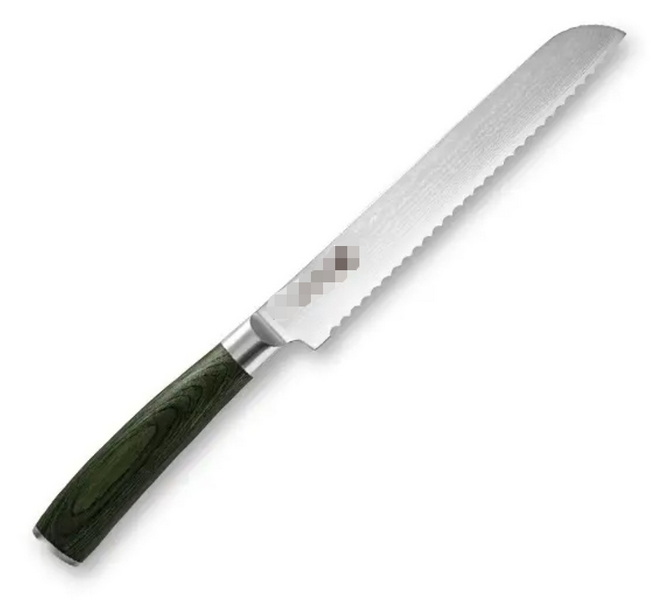
- Model A: A flagship Bread Knife designed for pro kitchens, featuring a long, rigid blade with a refined serration pattern and a full tang handle for precise control. Ideal for heavy-duty use in bakeries or culinary schools. Include a product photo showing blade profile and handle alignment.
- Model B: An all-around professional option with excellent edge retention, balanced weight, and a comfortable grip. Useful for demonstrations, catering events, and restaurant service. Include an image of the knife cutting a thick crust with a clean crumb.
Budget-Friendly Options
- Model C: A value-focused Bread Knife that still delivers clean cuts on sourdough, suitable for households and smaller cafes. Provide a photo of the knife in a home kitchen setting.
- Model D: An entry-level serrated knife that offers good performance for price-sensitive buyers, paired with durable handles and basic corrosion resistance. Include an image highlighting the grip and blade edge.
- Stainless vs carbon steel: Stainless steel offers corrosion resistance and low maintenance, while carbon steel can provide a keener edge when properly cared for. For OEM projects, discuss how alloying elements, heat treatment, and finishing processes influence edge life and rust resistance.
- Handle integration: Material choices (POM, polymer composites, wood, or composite) affect grip comfort and branding opportunities. Showcasing handle customization options can be valuable for foreign brands seeking differentiation.
- Packaging and branding: OEM clients often value packaging that communicates performance, hygiene, and durability. Include ideas for resealable clamshells, fiber-based packaging, and branding space for logos and care instructions.
- Setup and stability: Use a broad cutting board with a non-slip surface, position the loaf securely, and maintain a steady wrist motion.
- Cutting technique: Start with a gentle sawing motion to score crusts where needed, then apply even pressure to produce uniform slices without crushing the crumb.
- Slicing large loaves: For long loaves, use a sweeping motion to maintain blade contact with the crust while controlling slice thickness.
- Cleaning and care: Rinse or wipe clean after use, dry thoroughly to prevent rust, and store in a dry place. Avoid dishwasher exposure where possible to preserve serrations and handle finishes.
- Maintenance cadence: Regular sharpening or professional maintenance can extend blade life; however, many Bread Knife models are designed to retain edge through routine home use.
- Cleaning routines: hand wash with mild soap, dry immediately, and avoid prolonged exposure to moisture on wooden handles.
- Storage solutions: blade guards, magnetic strips, or knife blocks designed for serrated blades help prevent dulling and chipping.
- Longevity tips: avoid aggressive prying or using the knife for non-food tasks, and consider periodic professional sharpening to refresh serrations.
A well-chosen Bread Knife is essential for achieving bakery-quality sourdough slices at home or in a professional kitchen. By prioritizing blade length, serration profile, edge retention, and ergonomic handles, users can cut through thick crusts with ease while preserving the crumb. OEM manufacturers can offer tailored Bread Knife solutions that align with global brands' aesthetic and performance requirements, including material selection, handle customization, and branded packaging. This combination of thoughtful design and practical usage guidance helps ensure consistent, repeatable results across diverse sourdough applications.
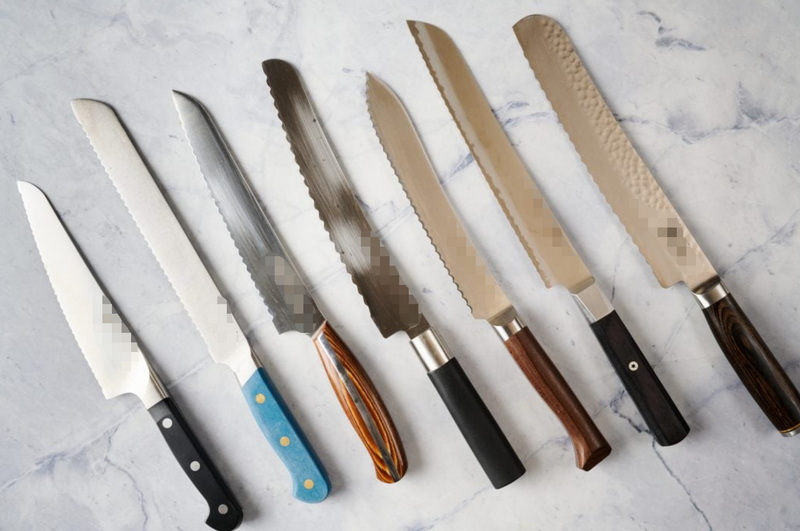
- A: The combination of a long, serrated blade and a carefully tuned serration pattern allows for clean crust penetration with minimal crumb damage, which is particularly important for thick crusts typical of sourdough.
- A: An 8–10 inch blade generally offers the best balance of reach and control for most large loaves, enabling uniform slices without excessive wrist strain.
- A: After use, wash by hand, dry promptly, and avoid dishwasher exposure; store in a dry place away from moisture; for serrations, occasional light sharpening or professional service can maintain edge performance.
- A: Yes, the knife is versatile for crusty breads, bagels, pastries, and other foods with tough exteriors, though dedicated tasks may benefit from specialized blades.
- A: OEM customization enables brands to select blade materials, handle designs, branding, packaging, and quality control procedures that align with market expectations and regulatory requirements, accelerating time-to-market and differentiation.


