- All
- Product Name
- Product Keyword
- Product Model
- Product Summary
- Product Description
- Multi Field Search

Views: 222 Author: Ann Publish Time: 2025-11-08 Origin: Site


Content Menu
● 1: Why a Good Bread Knife Matters
>> Blade Type and Tooth Pattern
● 3: Material and Design Comparisons (Overview for OEM Planning)
>> Stainless Steel vs High-Carbon Stainless
● 4: Bread Knife Design for OEM Partners
>> Quality Control and Standards
● 5: Practical Buying Guide for End Users
>> What to Look for When Choosing a Bread Knife
● 6: Conclusion and Call to Action
>> 1: What blade length is best for daily bread cutting?
>> 2: Do serrated knives stay sharp longer than straight-edge knives?
>> 3: Which material provides the best balance of durability and maintenance?
>> 4: How should bread knives be cleaned and stored?
>> 5: Can bread knives be used for other tasks?
Bread knives are indispensable in every kitchen, especially for sandwich lovers who demand uniform slices, crisp crusts, and clean crumb retention. A well-chosen Bread Knife can elevate daily meal prep from routine to reliable efficiency, whether in a home kitchen, a bakery, or an OEM partnership with international brands. This article delves into the essential characteristics of bread knives, compares representative materials and tooth patterns, and provides practical guidance for brands seeking to tailor Bread Knife offerings for global markets. The discussion also offers actionable tips for maintenance, ergonomic design, and packaging that bolster brand value in the competitive kitchenware landscape.

A bread knife is specialized for slicing bread with minimal crushing and tearing. The serrated edge grips the crust while the soft interior yields to a clean, uniform slice. In daily use, a reliable Bread Knife reduces prep time and waste, improves presentation for sandwiches, and extends blade life through proper edge retention. For OEM partners, the right bread knife design aligns manufacturing costs with performance expectations and enables consistent branding across product lines.
Serrated blades come in varying tooth counts and patterns. Deeper serrations offer aggressive cutting through crusty loaves; finer serrations provide smoother slices for softer bread. Some blades feature a two-sided serration for balanced cutting in both directions. The tooth geometry influences crust penetration, crumb integrity, and required cutting force.- Blade Length
A typical range is 8 to 10 inches (200–250 mm). Shorter blades offer precision for small loaves and baguettes, while longer blades excel with large boules and sandwich loaves, producing uniform thickness across wider slices. For OEM programs, specifying adjustable blade lengths can accommodate regional bread varieties.- Blade Material
Common choices include stainless steels (excellent corrosion resistance and low maintenance) and high-carbon stainless steels (edge retention with good rust resistance). Some premium lines use special alloys or coated surfaces to optimize sharpness and durability. Material selection affects edge retention, rust resistance, and care requirements.- Handle Ergonomics
Ergonomic handles—whether polypropylene, resin-infused composites, or wood/plastic hybrids—enhance grip security and reduce fatigue during prolonged use. Handguard design, weight balance, and tactile surface texture all contribute to user confidence and cutting precision. For OEM projects, consider scales that suit regional preferences (e.g., lighter grips for Asian markets vs. heavier, contoured grips for European users).- Balance, Weight, and Flex
Balanced blades feel natural in the hand, enabling controlled sawing motion without wrist strain. Moderate blade weight supports crust penetration without overburdening the user. Flex considerations matter when slicing long, crusty loaves where stability of the blade is required. OEM programs should specify tolerances to ensure consistent balance across batches.- Maintenance and Care
Proper care preserves edge life and appearance. Rinse and dry after use, avoid prolonged soaking, and store in a dry environment. Regular light honing helps maintain micro-serrations; heavy grinding should be reserved for professional sharpening. Packaging can include care instructions and replacement blade tips to boost consumer confidence.
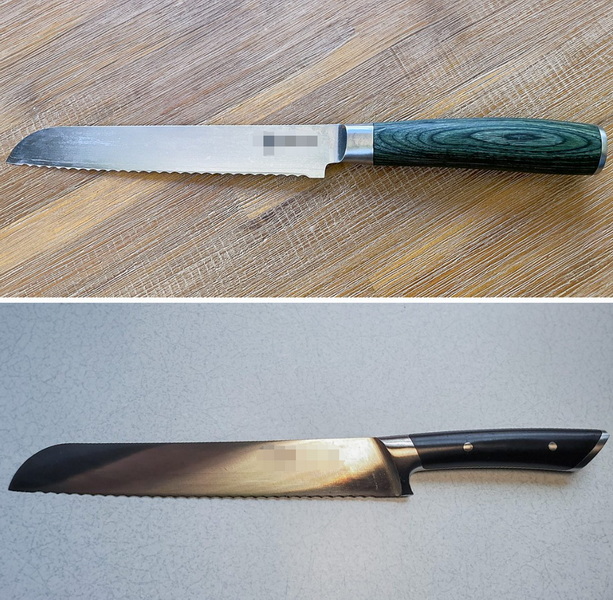
Stainless steel blades resist rust and require minimal maintenance, making them popular for busy households and food-service environments. High-carbon stainless blades offer improved edge sharpness and wear resistance while still providing reasonable corrosion resistance. The choice depends on trade-offs between maintenance burden and performance. OEM teams can position stainless blades for entry-level programs and high-carbon options for premium lines.- Serrated vs Straight Edge
Serrated bread knives excel at crusty, dense loaves by sawing rather than forcing a clean cut, preserving crumb. Straight-edge knives are less common for bread and may be favored for universal utility knives in some OEM packages. For dedicated bread knives, serrated edges remain the default due to crust penetration efficiency.- Specialty Alloys and Treatments
Advanced steels with vanadium or other carbides offer superior edge retention, while ceramic or coated blades reduce sticking and ease cleaning in certain environments. For OEM customers, material innovations can be leveraged as differentiators in different regional markets.
- Blade geometry: tooth pattern, blade thickness, and edge geometry
- Material and coatings: alloy selection, corrosion resistance, and surface finishes
- Handle design: material, color, silhouette, and grip texture
- Packaging: branded sleeves, inserts, care guides, and QR codes linking to maintenance videos
- Define blade hardness targets (e.g., HRc range), dimensional tolerances, and surface finish criteria
- Establish consistent grinding/sharpening tolerances across production lines
- Implement product testing for edge retention, corrosion resistance, and flex performance
- Create usage guides and dessert bread slice visuals to demonstrate blade performance
- Develop multilingual labeling and care warnings aligned with regional regulations
- Provide consumer-facing demonstration videos and static imagery for online catalogs
- Optimal blade length for typical loaf sizes
- Serration depth and tooth count balanced with crust texture
- Durable, easy-care blade materials
- Comfortable, durable handle with reliable grip
- Clear brand provenance and warranty
- Home cooks preparing daily sandwiches
- Professional kitchens and bakeries processing large volumes
- OEM buyers seeking scalable, branded solutions for multiple regions
In daily use, a well-chosen Bread Knife delivers consistent performance, longevity, and ease of use that translates into better kitchen efficiency and happier customers. For brands seeking a reliable OEM partner, collaboration can cover material selection, blade geometry, handle ergonomics, packaging design, and multilingual instruction materials. Contact us to explore custom Bread Knife solutions tailored to regional bread textures, consumer preferences, and market demands.
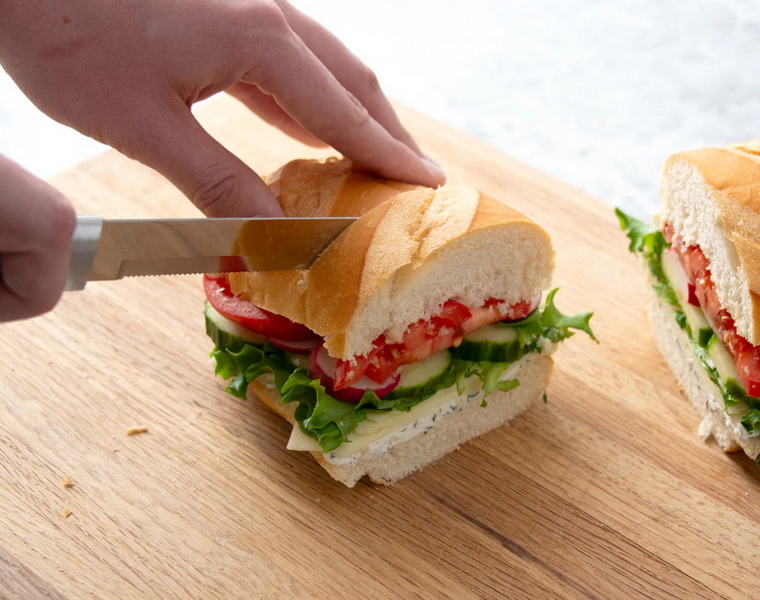
Answer: An 8–9 inch blade is a versatile default for most home and kitchen tasks, offering enough reach for larger loaves while maintaining control for precise slices.
Answer: Serrated edges tend to stay sharper longer in bread-cutting duties due to gradual engagement with the crust, though proper care remains essential.
Answer: High-carbon stainless steels typically offer a favorable balance, combining edge retention with rust resistance, especially when paired with appropriate coatings or finishes.
Answer: Clean with mild soap and water, dry immediately, avoid dishwasher exposure if not rated for it, and store in a dry, protected place to prevent corrosion and dulling.
Answer: While primarily designed for bread, some serrated knives handle tomatoes and crusty vegetables, but the blade geometry may not be optimal for delicate fruit or meat slicing.


