- All
- Product Name
- Product Keyword
- Product Model
- Product Summary
- Product Description
- Multi Field Search

Views: 222 Author: Ann Publish Time: 2025-10-31 Origin: Site


Content Menu
● Material Categories and Their Impacts
● Stabilized Wood and Resin-Based Woods
● G10 and Micarta (Fibrous Composites)
● Metals and Metal-Inlaid Options
● High-Performance Plastics and Flexible Polymers
● Careful Balance of Aesthetics and Practicality
● Materials, Colors, and Finishes for Brand Differentiation
● OEM and Supply Chain Considerations
● Market Trends and User Preferences
● Manufacturing Insights and Quality Assurance Tips
● Practical Guidelines for OEM Partners
● Case Studies and Real-World Insights (Illustrative)
● Market Positioning and Messaging
● FAQ (Condensed Final Section)
>> Question 1: Which handle material is most durable for daily restaurant use?
>> Question 2: How should wooden handles be cared for?
>> Question 3: Do synthetic handles feel slippery when wet?
>> Question 4: How do handle weight and balance affect cutting performance?
>> Question 5: What is the typical lead time for OEM handle customization?
In the world of premium steak knives, the handle is not merely a grip—it is a defining element of comfort, control, durability, and even the knife's visual appeal. For OEM partners supplying abroad brands, wholesalers, and manufacturers, selecting the right handle material is a strategic decision that influences user experience, maintenance, and brand storytelling. This article delves into the most influential handle materials for steak knives, exploring how each option affects ergonomics, grip, aesthetics, and long-term performance. It also provides practical guidance for selecting materials that align with different market expectations and design goals, while highlighting maintenance considerations that impact total cost of ownership.
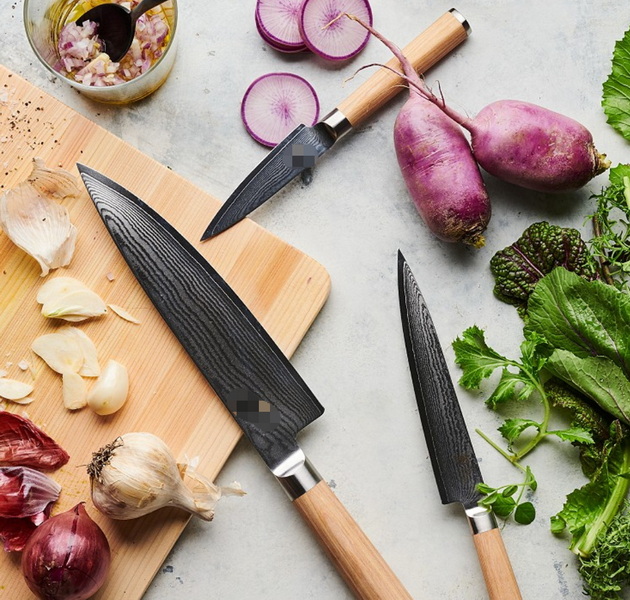
The handle's ergonomic design and tactile feedback determine how effortlessly a user can perform repetitive cutting tasks. Grasp comfort is influenced by contour, thickness, weight distribution, and material texture. For steak knives intended to disrupt the typical kitchen routine, the goal is to achieve a secure, non-slip grip, even when hands are wet or fatty, without creating fatigue during extended use.
- Contoured shapes and balanced weight distribution improve control. A well-balanced steak knife reduces wrist strain and allows precise slicing through ribeye, tenderloin, or other textures.
- Texture and friction matter. Materials that offer a comfortable tactile feel while resisting moisture and oil deliver better grip during quick, clean cuts.
- Temperature sensitivity and skin feel. Some materials feel cool to the touch or overly slick in damp conditions; others provide a warmer, more reassuring grip, especially in restaurant settings where hygiene and perception of quality matter.
A broad spectrum of handle materials can be considered, typically grouped into natural woods, stabilized woods and resins, composites (G10 and Micarta), metals, and advanced plastics. Each category brings distinct advantages and trade-offs in comfort, durability, maintenance, appearance, and cost.
Wood handles are celebrated for warmth, aesthetic appeal, and a tactile luxury that resonates with traditional cutlery design. Common species include rosewood, walnut, and exotic stabilized woods. The natural grain patterns offer unique identity to each knife, and with proper care, wood can develop a patina of use that many connoisseurs cherish.
- Pros: Warmth and beauty; excellent stain- and wear-absorbing graining; customizable textures and shapes; tactile comfort that many users associate with high-end craftsmanship.
- Cons: Susceptible to moisture, humidity, and temperature changes; may require periodic oiling or sealing; maintenance is more involved to prevent cracking or warping; cost can be higher for premium species.
- Practical notes for OEM: If brand differentiation hinges on organic, artisanal looks, wood handles can be paired with dark or contrasting blades for a striking visual. For markets requiring lighter maintenance, stabilized woods or wood-veneered composites can maintain wood aesthetic with enhanced durability.
Stabilized wood blends natural wood with resin impregnation, dramatically improving moisture resistance and dimensional stability. This category preserves the beauty of wood while offering far better resistance to warping and cracking in kitchen environments.
- Pros: Combines natural aesthetics with durability; resistant to moisture and temperature changes; often easier to maintain than untreated wood; can be color-tuned to match brand palettes.
- Cons: Higher material cost than untreated wood; finishes must be robust to resist knife abrasion and cleaning chemicals.
- Practical notes for OEM: Stabilized wood provides an appealing compromise between nature-inspired looks and process-friendly performance. For brands seeking premium but reliable performance under heavy use, stabilized options are highly attractive.
G10 and Micarta are widely used in professional environments for their exceptional durability and grip quality. These materials are layered composites using fiberglass or other fibrous substrates with resin, resulting in high strength-to-weight ratios and excellent resilience to moisture, heat, and chemicals.
- Pros: Highly durable; excellent moisture resistance and slip resistance; available in a broad range of colors and textures; easy to clean and sanitize—ideal for busy kitchens and hospitality settings.
- Cons: Can feel harder or less warm to the touch compared to wood; some users may prefer a more traditional look; cost is typically higher than basic plastics but lower than premium natural woods.
- OEM considerations: G10 and Micarta enable vibrant branding through color and texture choices. They enable consistent supply and repeatable quality across large production runs, which is favorable for international brands.
Metal handles—whether full metal or metal-inlaid designs—offer a contemporary, high-tech aesthetic. Aluminum, stainless steel, or titanium can be used in varying thicknesses and finishes, sometimes with resin or wood inlays to soften the visual contrast.
- Pros: Modern look; exceptional durability; easy to sanitize in professional kitchens; resistant to moisture and oils; often lighter than solid steel handles when designed with hollow sections.
- Cons: Can feel cold or slippery if not properly textured; heat conduction may be a concern in hot kitchen environments; may require more thorough manufacturing controls to prevent corrosion or tarnish.
- OEM considerations: Metals enable sleek branding narratives with precise machining tolerances and a premium technological impression. In some deployments, metal handles are paired with high-contrast blade finishes for visual impact.
Modern plastics—such as HDPE, polypropylene (PP), and advanced thermoplastic elastomers (TPE)—deliver reliable performance at a lower cost while enabling a wide range of colors and shapes. These materials are especially common in mass-market OEM products and in scenarios requiring high washability and chemical resistance.
- Pros: Affordable; highly water- and chemical-resistant; easy to mold into ergonomic shapes; color versatility; relatively light in weight.
- Cons: Perceived as less premium by some consumers; hardness and tactile warmth can vary; long-term wear may show texture degradation if low-grade plastics are used.
- OEM considerations: Plastics are ideal for entry-level or mid-range lines, and when combined with rubberized grips or textured surfaces can significantly improve grip. Blending plastics with rubberized overlays can balance comfort with cost.
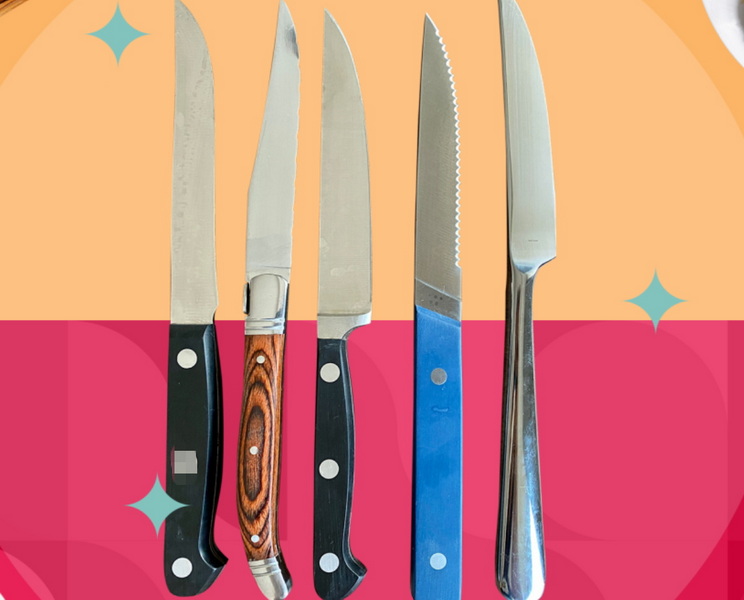
Soft-touch rubberized handles offer a comfortable, slip-resistant grip. Thermoplastic elastomers (TPE) deliver the tactile benefits of rubber along with the processing advantages of plastics.
- Pros: Superior grip in wet conditions; comfortable feel; customizable textures to reduce slip.
- Cons: If not paired with robust core materials, may wear where hands contact the blade during heavy use; sanitation considerations to ensure no microbial buildup in seams.
- OEM considerations: TPE overlays can be used with metal or wood cores to achieve the best of both worlds—grip and durability with a premium look.
Brand storytelling in the kitchenware domain often hinges on a balance between aesthetics and practicality. A steak knife with a luxurious wood handle might visually elevate a dining setting, while a stabilized wood or resin handle can provide consistent performance in a rugged restaurant environment. The choice of material should align with target customer expectations, usage scenarios, and cleaning protocols.
- Color strategies: deep browns and blacks for wood, rich ambers for stabilized woods, matte or satin finishes for G10 and Micarta, and metallic sheen for metal handles.
- Finishes: oil or wax finishes for wood; epoxy coatings for resin-based handles; durable hard coatings for metal handles to resist scratching.
- Textures: smooth, microtextured, and high-traction surfaces tailored to wet handling and palm grip preferences.
- Brand cohesion: ensure handle material choices harmonize with blade geometry, engraving options, packaging aesthetics, and care instructions.
Working with overseas brands demands careful attention to supply chain reliability, sourcing ethics, and consistent quality across batches. For handle materials, ensure:
- Consistent material sourcing and certification for food-contact safety.
- Clear specifications for density, hardness, and texture to achieve repeatable grip quality.
- Detailed surface treatment instructions and post-process quality checks to ensure uniform finish across production lots.
- Transparent lead times and contingency plans to meet international demand fluctuations.
The global market shows a rising emphasis on ergonomic design and long-lasting performance, particularly in professional settings such as hotels, fine dining restaurants, and culinary schools. Consumers increasingly appreciate materials that combine natural beauty with modern durability. There is also growing interest in sustainable and responsibly sourced woods or alternative materials with a similar aesthetic.
- Prototyping with multiple materials allows testing of grip comfort, balance, and washability before full-scale production.
- Use standardized testing for grip reliability, slip resistance in wet conditions, and resistance to common kitchen solvents.
- Document material properties and testing results for OEM clients, enabling them to market the product with verified data.
- Invest in proper finishing and sealing processes for wooden handles to extend their service life under heavy use.
- Wood: Regular oiling, careful drying after washing, and occasional resealing to maintain color and prevent cracking.
- Stabilized wood and resins: Low-maintenance, with routine cleaning and avoiding prolonged soaking.
- G10/Micarta: Simple cleaning with mild detergents; periodic inspection for edge wear and surface gloss to maintain aesthetic appeal.
- Metal: Clean with non-abrasive cleaners; avoid prolonged exposure to acidic cleaners that may tarnish coatings; keep dry to prevent corrosion at joints.
- Rubber/TPE: Clean with gentle soap, ensure seams are dry, reapply grip treatments if specified by the manufacturer.
- Start with a short list of preferred handle materials to streamline prototyping while enabling optional add-ons for select markets.
- Provide a clear decision matrix balancing ergonomics, appearance, durability, and cost.
- Offer customization options such as color accents, texture patterns, and branding elements (engraving, inlays, or logo patches) to reinforce client identity.
- Align packaging and care instructions with material choices to reduce misinterpretation and improve after-sales support.
- Case A: An OEM partner adopts stabilized wood handles for a mid-to-high-end steak knife line. They emphasize consistent color and grain width across batches, enhanced by resin stabilization. Customers appreciate the natural look with practical durability, particularly in dining settings where aesthetic presentation matters.
- Case B: A mass-market distributor selects G10 handles with a textured micro-pattern and a non-slip overlay. The result is a robust product suitable for busy kitchens, with strong performance in wash-down environments and a branding strategy centered on resilience and precision.
- Core message: The handle material of a steak knife is integral to user experience, combining comfort, grip, visual appeal, and ease of maintenance. OEM partners can differentiate their offerings through curated material palettes, custom finishes, and value-added maintenance guidance.
- Positioning statements: “Premium comfort meets durable design,” “Ergonomics engineered for professional kitchens,” and “Aesthetic versatility to match diverse brand identities.”
Selecting the right steak knife handle material is a strategic decision that influences ergonomics, durability, aesthetics, and brand perception in international markets. For OEM collaborations, offering a carefully curated selection of materials—ranging from wood and stabilized wood to G10, Micarta, and high-quality plastics—enables brands to tailor products to diverse customer needs while maintaining efficient production and consistent quality. The ideal solution balances grip comfort, maintenance practicality, visual appeal, and cost, delivering a superior user experience that enhances both everyday dining and premium dining environments.
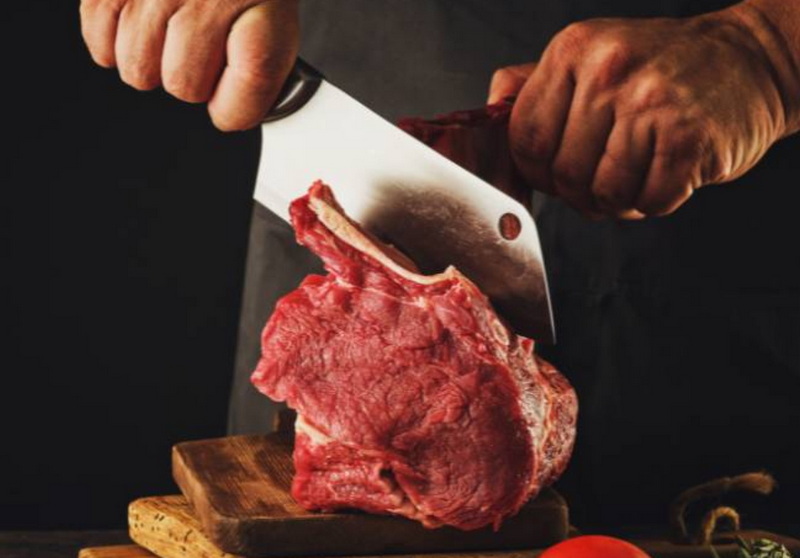
Answer: Stabilized wood, G10, and Micarta offer excellent durability, moisture resistance, and color stability, making them strong choices for high-use environments.
Answer: Regularly oil or seal to prevent drying, avoid soaking, hand-wash when possible, and dry promptly after washing.
Answer: High-quality synthetic handles are designed with textured or embossed surfaces to maintain grip even when wet; some blends incorporate rubberized overlays for enhanced traction.
Answer: Proper weight distribution reduces fatigue and improves precision; balance should align with blade geometry and intended use to optimize performance.
Answer: Lead times vary by material, tooling, and finish, generally ranging from several weeks to a few months; early specification finalization reduces delays.


