- All
- Product Name
- Product Keyword
- Product Model
- Product Summary
- Product Description
- Multi Field Search

Views: 222 Author: Ann Publish Time: 2025-11-12 Origin: Site


Content Menu
● Types of Professional Pizza Cutters
● Rocker Cutters with Integrated Handles
● Electric and Heavy-Duty Cutters
● Specialty and Multi-Function Cutters
● Design Fundamentals for Professional Performance
● Blade Material and Edge Retention
● Handle Design and Ergonomics
● Hygiene, Safety, and Cleaning
● OEM Customization Capabilities
● Materials, Manufacturing, and Quality Control
● Blade Fabrication and Heat Treatment
● Handle Manufacturing and Assembly
● Quality Control and Certification
● Packaging, Marketing, and Global Market Fit
● OEM Partnerships and Case Studies
● Global Market Fit and Compliance
>> What makes a pizza cutter suitable for professional kitchens?
>> Which pizza cutter design performs best in high-volume environments?
>> How should pizza cutter blades be maintained to maximize edge retention?
>> What materials are best for pizza cutter handles in terms of hygiene and durability?
>> Can OEM customization include branding and packaging?
Professional kitchens demand tools that combine precision, durability, hygiene, and ease of use. A pizza cutter is not merely a novelty tool; it is a workhorse in pizzerias, hotel kitchens, and large-scale catering operations where efficiency and consistency matter. For a Chinese OEM kitchen knife and cutter manufacturer, designing pizza cutters that meet global brand specifications means balancing material science, ergonomic engineering, and scalable production processes. This article delves into the most effective pizza cutter designs for professional kitchens, highlights material choices, outlines OEM customization capabilities, and provides practical guidance for selecting, maintaining, and marketing pizza cutters to international customers.

Pizza cutters come in several families, each with distinct advantages and best-use scenarios in high-volume kitchens. Understanding these categories helps brands tailor products to regional market demands and end-user applications.
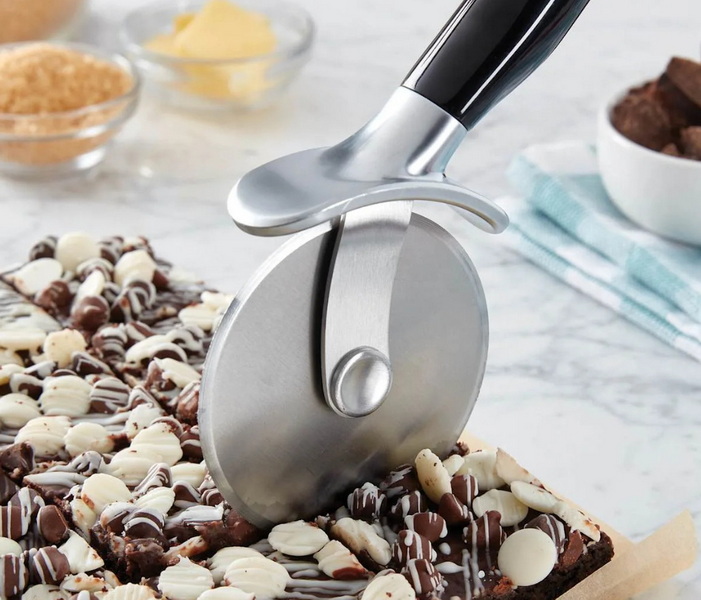
Wheel cutters are the most recognizable design in professional settings. The circular blade glides through crusts with even pressure, producing uniform slices. In a professional kitchen, wheel cutters must balance cutting precision with longevity and ease of cleaning. Key features to consider:
- Blade diameter and edge geometry: Common diameters range from 3.5 to 4.5 inches; a well-balanced edge maintains sharpness through hundreds of cuts.
- Blade material and coating: High-quality stainless steels or hardened alloys with corrosion-resistant coatings extend life in demanding environments and after frequent wash cycles.
- Handle ergonomics: Contoured grips, non-slip textures, and balanced weight minimize fatigue during long shifts.
- Replacement blades and guards: Availability of replacement blades and safe guards enables quick maintenance without downtime.
An OEM program can offer interchangeable blade systems and branded packaging to align with a customer's product line.
Rocker cutters, featuring a curved blade mounted to a handle, excel in controlled, straight-line cuts and are popular in professional bakeries and kitchens that handle large-scale pizzas. Design considerations include:
- Blade geometry and clearance: A wide, smoothly ground blade reduces drag and increases speed in high-volume environments.
- Handle integration: A seamless or semi-integrated handle reduces crevices where grime can accumulate, aiding hygiene compliance.
- Material choices: Stain-resistant plastics or metal handles with textured grips improve grip under wet or oily conditions.
Rocker designs can be customized with branding on the blade spine or handle to reinforce product identity in global markets.
An evolution of the rocker concept, integrated-handle designs minimize joint movement and provide a sleek, easy-to-clean silhouette. For OEM applications, benefits include:
- Reduced parts count: Fewer joints mean fewer potential failure points and simpler sterilization between shifts.
- Aesthetic customization: Logo engraving, color-matched handles, and branded blade finishes support retailer branding strategies.
- Cleaning efficiency: Smooth surfaces and minimal crevices support compliance with HACCP and other hygiene standards.
In high-demand environments, electric or heavy-duty pizza cutters can streamline throughput. These tools require specialized motor integration, power management, and safety features. For OEM customers, considerations include:
- Motor torque and duty cycle: Sufficient torque to cut through thick crusts without stalling in busy kitchens.
- Cable management and insulation: Durable insulation and strain relief prevent electrical hazards in humid kitchen environments.
- Safety interlocks: Secure blade retraction or locking mechanisms reduce risk of accidental contact during cleaning.
Some professional kitchens deploy cutters that double as pastry wheels, dough cutters, or portioning tools. In OEM programs, multi-function designs can expand a product line while preserving core performance. Consider:
- Dual-use blades: Swappable or dual-edge blades broaden application without sacrificing hygiene.
- Storage and organization: Integrated blade storage within the handle or cartridge reduces clutter on prep lines.
- Brand differentiation: Custom colorways and finishes differentiate a client's offering in crowded marketplaces.
A winning pizza cutter design in professional kitchens rests on three pillars: blade performance, ergonomics, and hygiene. OEM collaborations should align engineering choices with global market expectations and regulatory requirements.
- Material selection: Stainless steel alloys (e.g., 304/316-grade) offer corrosion resistance and easy cleaning. For high-end markets, high-carbon stainless steel or tool steel with appropriate heat treatment can deliver superior edge retention.
- Edge geometry and finishing: Precise grinding and honing produce a consistent edge. Optional ceramic coatings or chrome/nickel plating can enhance hardness and reduce wear.
- Hygiene compatibility: Smooth blade surfaces and rounded edges minimize harboring of food debris and support cleaning-in-place (CIP) processes common in commercial kitchens.
OEM strategies include offering a range of blade materials to suit different price points and performance targets, plus clear labeling for regional compliance.
- Weight balance: A well-balanced tool reduces wrist strain during repetitive slicing tasks.
- Grip texture: Non-slip, heat-resistant materials with ergonomic contours improve control when hands are wet or greasy.
- Thermal comfort: Heat-resistant handle materials maintain performance under hot kitchen conditions and prevent burns.
- Customization: OEM programs can provide branded handles in color, material, and texture variants, with optional laser etching for logos or batch codes.
- Seamless geometry: Minimizing crevices where bacteria can accumulate supports hygiene standards.
- Corrosion resistance: Materials and coatings must withstand frequent washing, sanitizing, and potential contact with acidic ingredients.
- Safety features: Protective blade guards, locking mechanisms, and easy blade removal for thorough sanitization are important for professional kitchens.
- Certification readiness: Align designs with global safety and food-contact regulations to ease export to different regions.
- Replacement parts: Availability of replacement blades and guards ensures long product life cycles and customer satisfaction.
- Washability: Tools should be designed to withstand dishwashing or provide durable hand-wash options without corrosion or edge damage.
- Lifecycle cost: Emphasize a lower total cost of ownership through durable materials, reliable supply, and easy maintenance in marketing materials.
- Custom dimensions: Offer blade diameters, handle lengths, and overall footprint tailored to client needs.
- Branding and packaging: Provide laser engraving, branded packaging, and marketing collateral aligned with retailer requirements.
- Regulatory conformity: Assist customers with labeling and documentation required for export to major markets.
- Regional variants: Create region-specific variants to accommodate different culinary practices and preferences.
Sourcing and manufacturing strategies determine consistency and scalability for global OEM partners.
- Precision grinding: High-precision grinding ensures uniform cutting performance across the blade.
- Heat treatment: Appropriate hardening and tempering yield a durable edge without brittleness.
- Finishes: Polished, matte, or coated finishes can influence both aesthetics and corrosion resistance.
- Coatings: Protective coatings (e.g., PVD, ceramic) can reduce wear and facilitate easier cleaning.
- Material options: Stainless steel, polymer composites, engineered woods, and hybrid materials offer trade-offs among cost, weight, and grip.
- Assembly methods: Snap-fit, riveted, or bonded assemblies each have implications for durability and repairability.
- Surface treatments: Texturing, color coding, and branding are important for differentiation in international markets.
- Inspection protocols: Dimensional checks, blade sharpness tests, and assembly integrity assessments ensure product consistency.
- Hygiene testing: Wash and sanitize cycles simulate real-world restaurant conditions.
- Traceability: Batch coding, supplier audits, and material certificates support post-sale quality assurance.
To succeed in international markets, pizza cutter designs must be paired with compelling media assets and compliant packaging.
- Functional packaging: Protective inserts, clear labeling, and easy-open features support efficient warehouse handling.
- Brand consistency: Packaging aesthetics aligned with retailer guidelines builds trust and showcases OEM capabilities.
- Sustainability: Recyclable materials and minimal plastic use resonate with global buyers and certifications.
- Core keywords: Pizza Cutter appears frequently in headings and body text to reinforce relevance.
- Variants and long-tail terms: phrases like professional kitchens pizza cutter, OEM pizza cutter design, and pizza cutter blade material enrich search visibility.
- Regional optimization: Create regional landing pages with localized terminology and regulatory references.
Real-world examples illustrate how OEM collaboration accelerates time-to-market, ensures supply stability, and delivers tailored solutions for brand partners.
- Discovery and scoping: Clear requirements gathering, including dimensions, materials, branding, and packaging.
- Prototyping and validation: Rapid prototyping with transparent feedback loops, including performance testing and cleaning simulations.
- Production and QC: Scalable manufacturing with rigorous QC protocols and batch traceability.
- After-sales support: Spare parts availability, technical documentation, and responsive customer service.
- Export readiness: Certifications and product labeling aligned with major markets simplify distribution.
- Language and documentation: Multilingual manuals and branding guidelines support international teams.
- Lead times and logistics: Transparent scheduling, warehousing options, and reliable shipping terms minimize downtime for buyers.
- A successful professional pizza cutter design hinges on robust blade performance, ergonomic handles, and hygiene-focused construction.
- OEM customization enables brands to differentiate in crowded markets through branding, packaging, and media-ready assets.
- Global market success depends on reliable supply, rigorous quality control, and alignment with international standards.
In professional kitchens, a well-designed Pizza Cutter is a high-frequency tool that influences throughput, consistency, and safety. Chinese OEM manufacturers can deliver pizza cutter designs that meet the exacting standards of international brands, from blade material choices and ergonomic handles to integrated cleaning-ready constructions and branded packaging. By combining engineering rigor with flexible customization capabilities, OEM partners can provide a scalable, cost-efficient solution that helps retailers and foodservice operators achieve consistent performance across diverse markets. The key is a collaborative approach: define requirements clearly, validate prototypes with end-user feedback, maintain strict quality control, and offer comprehensive after-sales support.
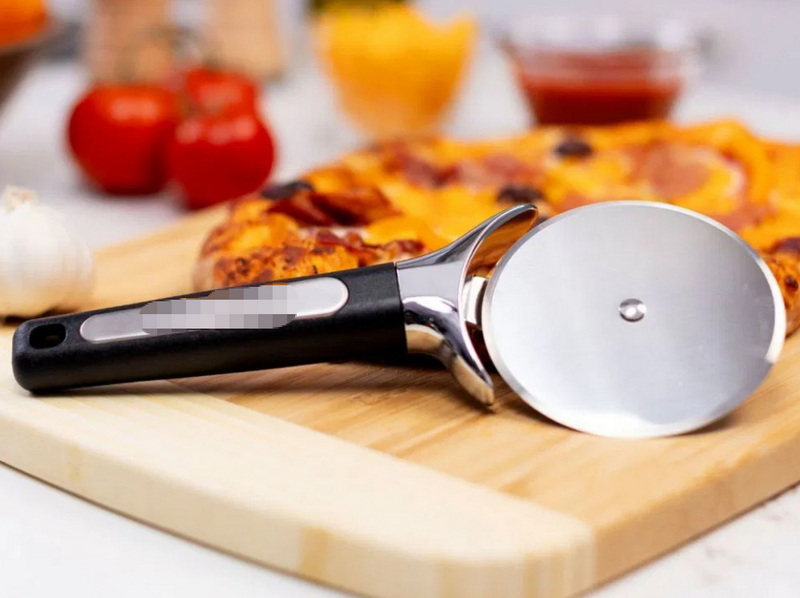
A pizza cutter suitable for professional kitchens combines a sharp, durable blade with ergonomic handling, easy cleaning, and reliable safety features, supported by durable construction and accessible replacement parts.
Wheel cutters with sturdy blades and comfortable handles are widely favored for throughput, though rockers and integrated-handle rockers can excel in specific kitchen layouts; OEM customization can tailor blade size, weight, and maintenance cycles.
Regular cleaning, proper drying, and periodic honing or professional sharpening extend edge life; choose materials and coatings that resist corrosion and wear, and provide replacement blades through OEM supply chains.
Hygienic, non-porous materials such as high-grade plastics or stainless steel with textured grips are preferred for easy sanitization and durability in busy kitchens. OEM options include color customization and branding.
Yes. OEM programs commonly offer branding on handles, blades, and packaging, with customizable colors, logos, and packaging inserts to align with international retailer requirements.


