- All
- Product Name
- Product Keyword
- Product Model
- Product Summary
- Product Description
- Multi Field Search

Views: 222 Author: Ann Publish Time: 2025-10-11 Origin: Site


Content Menu
● Understanding the Importance of the Right Butcher Knife
● Mistake 1: Buying From Unverified or Questionable Sellers
● Mistake 2: Ignoring Blade Material and Quality Specifications
● Mistake 3: Selecting the Wrong Blade Size and Shape
● Mistake 4: Overlooking Handle Comfort and Grip Quality
● Mistake 5: Neglecting Knife Balance and Weight
● Mistake 6: Not Considering Edge Retention and Sharpening Needs
● Mistake 7: Disregarding Reviews and Expert Recommendations
● Mistake 8: Choosing Based on Price Alone
● Mistake 9: Overlooking Maintenance Requirements
● Mistake 10: Neglecting Safety Features
● Expanding Your Knowledge: Bonus Tips for Online Buyers
>> 1. What blade length should I choose for a butcher knife?
>> 2. How can I maintain my butcher knife at home?
>> 3. Is a full tang butcher knife better?
>> 4. What handle materials are best for butcher knives?
>> 5. How do I identify trustworthy online sellers?
Buying a butcher knife online can be a convenient way to get the right tool for meat preparation, whether for professional butchery, cooking enthusiasts, or home use. However, the process poses several challenges since buyers cannot physically evaluate the knife before purchase. A butcher knife is a specialized cutting tool designed to break down large cuts of meat efficiently and safely. Choosing the wrong knife leads to inefficiency, discomfort, or injury. This comprehensive guide reveals common mistakes to avoid when shopping for a butcher knife online, helping buyers make well-informed decisions and ensuring they receive a high-quality, long-lasting product.
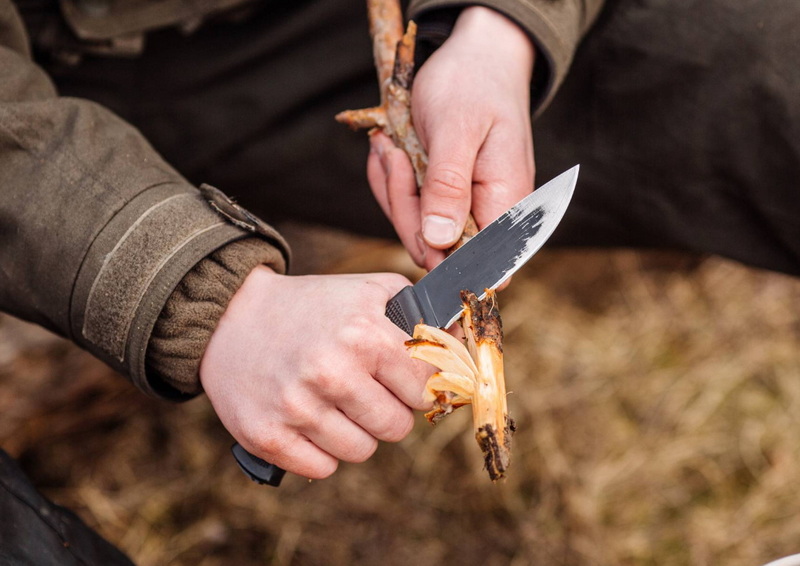
A butcher knife's design is tailored for meat processing. Typically, it features a long, slightly curved blade for slicing through muscle, fat, and bone with smooth, controlled cuts. The right butcher knife improves cutting efficiency, reduces hand strain, and enhances safety for both professionals and home cooks.
Many buyers underestimate key details such as blade material, edge sharpness, weight, and handle ergonomics—all crucial factors affecting their satisfaction with the knife. When buying online, not being able to hold the knife makes understanding these factors even more essential.
The biggest risk for online knife buyers is purchasing from unreliable or fraudulent sellers. Low prices or overly attractive photos sometimes mask poor quality or counterfeit products.
- Always verify the seller's credibility by checking customer reviews, ratings, and verified buyer feedback.
- Look for detailed, clear product descriptions with full specifications.
- Avoid sellers lacking proper contact information or return policies.
Choosing a reputable seller, preferably with substantial experience and brand recognition, offers peace of mind with product authenticity, good customer service, and warranty or return options.
The blade material significantly influences how well the butcher knife performs and ages.
- High-carbon stainless steel combines excellent sharpness retention and corrosion resistance, requiring moderate maintenance.
- Stainless steel blades resist rust well but may not hold an edge as long as high-carbon steels.
- Carbon steel blades offer unmatched sharpness and edge retention but require diligent care to prevent rust or discoloration.
Not checking blade materials or opting for cheap steels results in knives that dull quickly, chip easily, or corrode — leading to frustrations and more frequent replacement costs.
Butcher knives come in various blade lengths, generally from 6 to 14 inches. The right size depends on the user's typical cutting tasks and handling preferences.
- Short blades (6–8 inches) are best for smaller cuts, precise trimming, or household kitchens.
- Medium blades (8–10 inches) handle most butchering and kitchen jobs with good control.
- Long blades (10–14 inches) suit professional butchers working with large carcasses or requiring broad slicing motions.
Additionally, the knife's shape matters for specific tasks. A curved blade helps smooth slicing and skinning motions, while straighter blades can better penetrate dense tissues or bones. Matching blade shape and size to expected use prevents inefficiency or fatigue.
The butcher knife's handle is critical for control and user safety. An uncomfortable or slippery handle causes hand fatigue and increases accident risks.
- Prioritize ergonomic handles designed to fit the hand's shape and size.
- Popular handle materials include rubber for grip, wood for traditional feel requiring maintenance, or synthetic composites providing durability.
- Non-slip textured surfaces and finger guards contribute to safer use.
Testing handle grip is impossible online, so reading detailed descriptions, looking for images, and checking reviews mentioning comfort helps forecast the experience better.
Knife balance affects maneuverability and reduces hand strain. Full tang knives, where the blade extends fully through the handle, generally have superior balance.
- Heavier knives provide power but may tire hands on prolonged use.
- Lightweight knives improve agility but may lack force.
- Ensure the butcher knife's weight corresponds to cutting style and physical strength.
Ignoring balance makes handling awkward, reducing precision and safety.
A butcher knife's edge sharpness impacts efficiency and safety. Some blade materials and manufacturing techniques retain sharpness longer.
- Research the knife's edge retention qualities.
- Buy suitable sharpening tools like whetstones or honing rods alongside the knife.
- Maintain a regular sharpening schedule to prolong knife life.
Skipping maintenance questions or buying a knife that requires skills/tools unavailable to the buyer results in diminished performance.
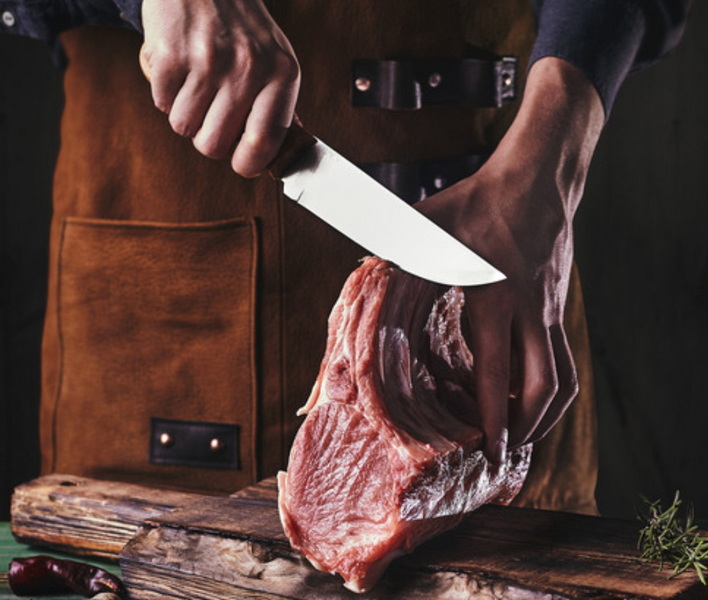
Some buyers avoid reading reviews, missing out on valuable user experiences and expert insights.
- Review product testimonials focusing on durability, comfort, and cutting ability.
- Consult professional butchery or cooking forums for recommendations.
- Beware of overly positive or generic reviews as they may lack credibility.
Thorough research via multiple trustworthy sources enables smarter purchases.
While budgets matter, very low prices often hide poor quality.
- Consider knives with quality materials and craftsmanship even if priced higher.
- Premium knives generally last longer, sharpen better, and provide superior balance.
- Compare features, performance reports, and price to optimize value.
Underinvesting leads to frequent knife replacements and reduced cutting satisfaction.
Every butcher knife demands specific care.
- Carbon steel blades need oiling to prevent rust.
- Avoid dishwashers; hand wash and dry immediately after use.
- Regular sharpening is mandatory.
Ignoring maintenance guidance leads to blade damage and unsafe dull knives.
Safety should never be sacrificed.
- Look for knives with finger guards or protective handle designs.
- Consider textured grips to reduce slipping.
- Use blade sheaths or knife blocks for safe storage and transportation.
Ignoring safety features jeopardizes user well-being.
Beyond avoiding mistakes, here are some extra tips:
- Ask questions: Contact sellers for further technical details or product videos if uncertain.
- Consider knife sets: Sets may offer better overall value and complementary knives.
- Packaging and shipping: Ensure knives come well-packaged with protective covers to avoid damage during transit.
- Warranty and return policy: Buy from sellers who offer fair return policies and product guarantees.
- Brand history: Research the manufacturer's heritage and reputation, especially for knives touted as “forged” or “handmade.”
These precautions collectively contribute to an enjoyable and safe knife buying experience.
Purchasing a butcher knife online offers great convenience though it requires careful consideration to avoid common pitfalls. By understanding crucial factors like blade material, blade size and shape, handle ergonomics, knife balance, and reliable sellers, buyers can secure a product that enhances butchering efficiency and safety. Avoid focusing solely on price or visuals; combine detailed research, reviews, and maintenance knowledge to make an informed decision. Taking these steps ensures a long-lasting, high-performance butcher knife tailored to your needs.
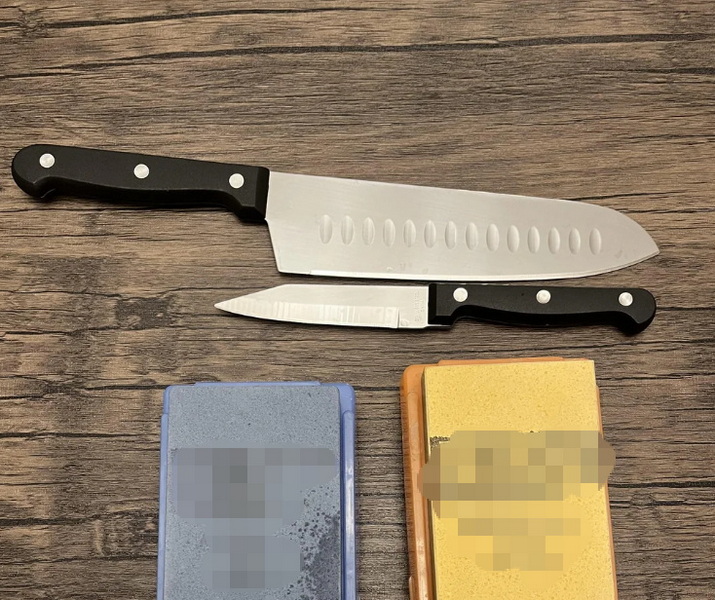
Blade lengths from 8 to 10 inches work well for most home cooks, while professional butchers handling large meats often prefer longer blades up to 14 inches.
Hand wash and dry immediately after use, sharpen regularly with appropriate tools, and oil carbon steel blades to prevent rust.
Yes. Full tang knives offer better balance and durability, providing more control and less hand fatigue.
Ergonomic rubber or synthetic handles provide a non-slip grip and durability. Wooden handles are traditional but require more care.
Look for verified customer reviews, clear return policies, official contact information, and reputable brand presence.


