- All
- Product Name
- Product Keyword
- Product Model
- Product Summary
- Product Description
- Multi Field Search

Views: 222 Author: Ann Publish Time: 2025-11-20 Origin: Site


Content Menu
● Why Proper Maintenance of Your Cheese Knife Matters
● Understanding Your Cheese Knife: Blade Materials and Design
>> 5. Dual-Handled Cheese Knife
● Daily Cleaning and Maintenance Tips for Your Cheese Knife
● How to Sharpen Your Cheese Knife Properly
>> 2. Sharpening a Straight-Edge Cheese Knife
>> 3. Sharpening a Serrated Cheese Knife
>> 4. Using Professional Sharpening Services
● Storing Your Cheese Knife Correctly
● Extra Tips for Long-Term Maintenance of Cheese Knives
● When to Replace Your Cheese Knife
● FAQs About Cheese Knife Maintenance
>> 1. How often should I sharpen my Cheese Knife?
>> 2. Can I put my Cheese Knife in the dishwasher?
>> 3. What is the best angle to sharpen a Cheese Knife?
>> 4. Are Cheese Knives different from regular kitchen knives?
>> 5. How do I prevent rust on my Cheese Knife?
Cheese lovers know that using the right tool changes everything — and when it comes to slicing cheese, a well-maintained Cheese Knife makes cutting effortless and elegant. Whether you use it in a professional kitchen or a home charcuterie setup, taking care of your Cheese Knife preserves both its beauty and performance.
This guide explains everything you need to know about cleaning, maintaining, and sharpening your Cheese Knife correctly to ensure precise cuts and long-lasting sharpness.

A Cheese Knife is a precision instrument designed to cut through different textures — from creamy Brie to hard Parmesan. However, each cut dulls the blade slightly, especially if not cleaned and dried properly.
Neglecting maintenance can lead to:
- Rough, uneven cuts that damage the cheese's presentation.
- Corrosion or discoloration on the blade.
- Unhygienic conditions from residue buildup.
- Shortened lifespan of your knife.
Proper care ensures consistent performance and extends your Cheese Knife's life, saving money and preserving flavor integrity.
Different Cheese Knives are made for different cheese textures. Before we discuss care techniques, here's a breakdown of the main Cheese Knife types and materials.
- Narrow, thin blade to prevent sticking.
- Often features holes along the blade for air circulation.
- Ideal for Brie, Camembert, and goat cheese.
- Heavy, sturdy design for dense blocks of cheddar or parmesan.
- Usually features a pointed tip to break chunks easily.
- Wide blade resembling a miniature meat cleaver.
- Perfect for thick wedges and firm cheeses like Gouda.
- Rounded edge for smooth spreading of soft cheeses.
- Large knife with handles on both ends for cutting wheels of cheese.
After each use, your Cheese Knife should be cleaned immediately to prevent oxidation and bacterial buildup.
1. Rinse right after cutting. Remove cheese residue before it hardens.
2. Use mild detergent. Avoid harsh chemicals that strip protective coating.
3. Hand wash only. Avoid dishwashers; high heat and detergent can damage handles.
4. Dry immediately. Use a soft towel to prevent rust.
5. Store safely. Use knife blocks or magnetic strips to avoid blade contact.
Maintaining hygiene is critical since cheese knives can harbor bacteria if residues remain. Even a quick wipe after use helps prevent build-up. Avoid soaking knives for prolonged periods, especially those with wooden handles, to prevent damage.
Even the finest Cheese Knife dulls with time. Sharpening restores its cutting power and prevents unnecessary pressure that can crush or deform soft cheese.
Most Cheese Knives have straight edges, but some have serrated designs.
- Straight-edge blades can be sharpened with whetstones or honing rods.
- Serrated blades should be sharpened using specialty ceramic rods.
- Use a whetstone. Soak it in water for 10 minutes before use.
- Angle the blade at 15–20°. Glide the edge with steady strokes across the stone.
- Repeat 10–12 times on each side.
- Finish with honing. A steel rod realigns the edge for smooth slicing.
- Use a ceramic sharpening rod that fits inside each serration.
- Gently stroke each groove to restore sharpness.
For high-end Cheese Knives or intricate serrations, seek a professional sharpener. They use specialized tools to restore the blade's precision without altering its geometry.
Sharpening frequency depends on usage, but generally every 3–6 months is recommended for home users, and more frequently for professionals.
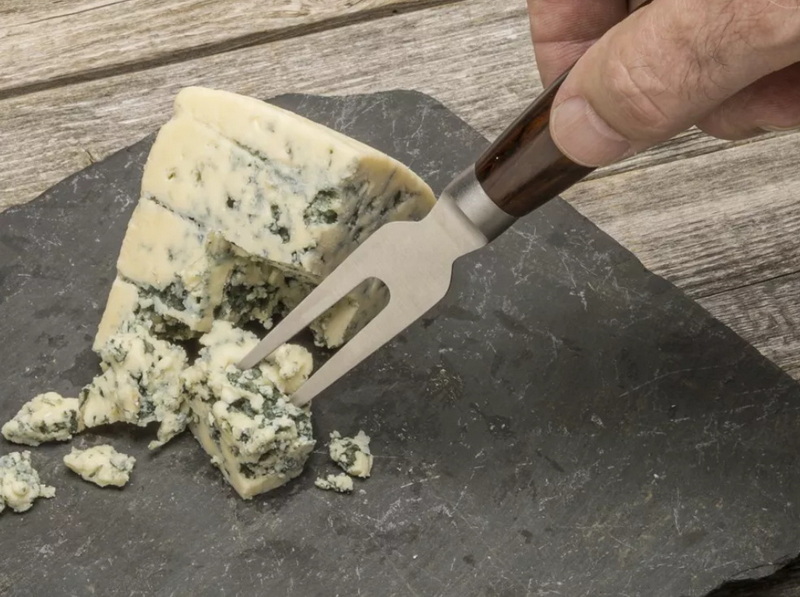
Storage plays a huge role in maintaining blade sharpness. Incorrect storage can lead to chips or dullness from unintended contact.
- Magnetic wall strip: Keeps blades separated and easily accessible.
- Knife block: Choose blocks with proper slots for Cheese Knives.
- Blade guards: Ideal for drawers to prevent scratching.
- Avoid moisture: Store in dry conditions to prevent corrosion.
Proper storage also enhances safety in your kitchen environment. Keeping knives protected reduces accidents and preserves their edge.
- Use your Cheese Knife only for cheese — cutting fruit or bread increases wear.
- Occasionally apply food-safe mineral oil to wooden handles to prevent drying and cracking.
- Inspect rivets and handle joints periodically for looseness or damage.
- Polish stainless steel blades to maintain shine and corrosion resistance.
- Rotate usage among knives if you own multiple for different cheese types.
Being mindful of these long-term care habits greatly extends the life and appearance of your Cheese Knife collection.
Even with proper care, repeated sharpening gradually reduces blade thickness. Replace your Cheese Knife when:
- The edge no longer holds sharpness.
- Corrosion or chips occur near the cutting zone.
- Handle joints loosen beyond safe repair.
- Blade balance feels uneven during cutting.
Regular inspection helps ensure safe and efficient performance and prevents damage to cheeses or accidental injury.
Caring for your Cheese Knife takes only a few minutes after each use — but the payoff lasts for years. A clean, sharp, and well-stored Cheese Knife delivers perfect slices every time, enhances your cheese presentation, and safeguards hygiene. Whether you're an everyday user or a professional chef, these care techniques ensure your Cheese Knife remains your reliable kitchen companion for countless elegant cheese boards to come.
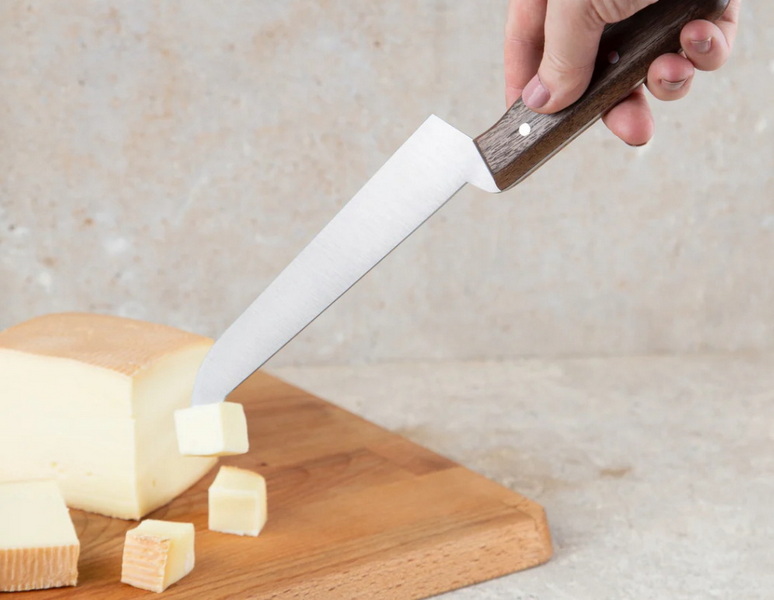
Sharpen it every 2–3 months for regular home use, or monthly if used professionally.
No. Dishwashers can corrode the blade and loosen the handle due to high heat and strong chemicals.
For straight blades, use a 15–20° angle to maintain balance between edge retention and sharpness.
Yes. Cheese Knives have specific designs (holes, thin blades, or dual handles) to minimize sticking and provide smooth cuts.
Always dry immediately after washing, and store in a dry area. Apply a thin coat of food-safe oil occasionally to stainless blades.


