- All
- Product Name
- Product Keyword
- Product Model
- Product Summary
- Product Description
- Multi Field Search

Views: 222 Author: Ann Publish Time: 2025-11-17 Origin: Site


Content Menu
● Understanding Pizza Cutter Packaging Needs
● Popular Packaging Options for Pizza Cutters
>> Mini Pizza Box Style Packaging
>> Magnetic Flip or Gift Boxes
● Functional Additions to Packaging
>> Safety Blade Covers or Guards
>> Instruction Cards or Booklets
>> Hanging Tabs or Hole Punches
● Sustainability and Eco-Friendly Packaging
● Choosing the Best Packaging Materials for Pizza Cutters
>> Recyclable and Biodegradable Plastics
● Packaging Design Best Practices for OEM Suppliers
● Frequently Asked Questions (FAQs)
>> 1. What are the most common materials used in pizza cutter packaging?
>> 2. Can pizza cutter packaging be customized with logos and colors?
>> 3. How important is sustainability in pizza cutter packaging?
>> 4. Are there packaging options suitable for gifting?
>> 5. How can multimedia content be incorporated into pizza cutter packaging?
A pizza cutter is an essential kitchen tool, and equally important is the packaging that protects and presents it impressively. For factories providing OEM services for pizza cutters to foreign brands, wholesalers, and manufacturers, choosing the right packaging options can create a strong customer impression and elevate brand value. This article explores various packaging possibilities for pizza cutters that blend functionality, aesthetics, and marketing power.
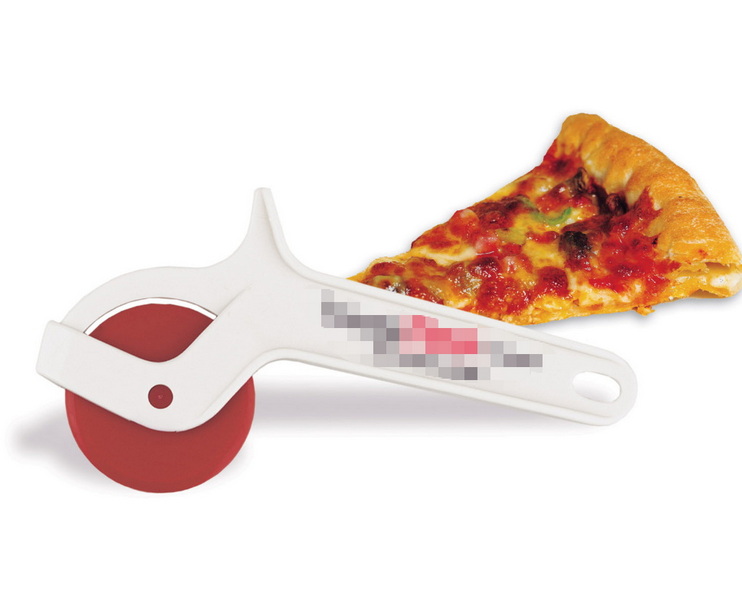
The packaging of a pizza cutter serves multiple purposes: protection during shipping, attractive presentation on retail shelves, and enhancing the unboxing experience for the end user. Packaging must also comply with safety standards due to the sharp blade, while allowing the product usability to be evident without unboxing. For OEM manufacturers, flexibility in packaging design is pivotal to meet diverse client branding requirements.
Key considerations for pizza cutter packaging include:
- Durability and protection against damage or blade dulling
- Clear visibility of product design and blade safety features
- Ease of carrying and storage for retailers and consumers
- Eco-friendly and recyclable materials
- Customizable surfaces for branding, logos, and instructional graphics
This common packaging type involves sealing the pizza cutter between a molded plastic bubble and a printed cardboard backing. It offers:
- Strong protection and prevention of tampering
- Clear product display front and back
- Ample space for branding and product information on the card
- Cost-effective and popular for retail shelf display
Custom boxes provide a premium feel and the possibility for full-color printing, branded messaging, and enhanced unboxing experiences. They can be rigid or foldable and often include:
- Internal plastic moldings or cardboard inserts to keep the cutter fixed
- High-quality graphical prints including UV coating, embossing, or foil stamping
- QR codes linked to product videos or manuals for customer engagement
- Sustainable paper materials to appeal to eco-conscious consumers
Inspired by traditional pizza delivery boxes, mini pizza boxes designed to fit pizza cutters create a fun and thematic packaging option that aligns with the product's kitchen and dining association. Benefits include:
- Unique marketing appeal that stands out on shelves
- Ample surface for custom printing inside and outside
- Easy to stack and ship
- Can be paired with thank you cards or instruction inserts
Gift boxes with magnetic closures elevate the perceived value of the pizza cutter, ideal for gifting or high-end kitchenware lines. Features include:
- Elegant matte or glossy finishes
- Protective foam or cardboard padding inside
- Space for personalized branding or promotional messages
- Enhances customer perception as a premium product
Including a protective cover or guard over the blade inside the packaging ensures safety during transport and handling. It also reassures consumers about safety when opening the package.
Adding a printed card or small booklet with usage tips, care instructions, and cleaning advice adds value and improves customer satisfaction.
For retail environments, placing a hole punch or tab on packaging enables hanging the product on display hooks, increasing visibility and convenience.
With rising consumer demand for green products, using recycled materials, biodegradable plastics, and soy-based inks can boost brand appeal. Options include:
- Recycled cardboard backings for blister packs
- Plant-based or compostable blister shells
- FSC-certified paper materials for printed boxes
- Minimalist packaging designs reducing waste
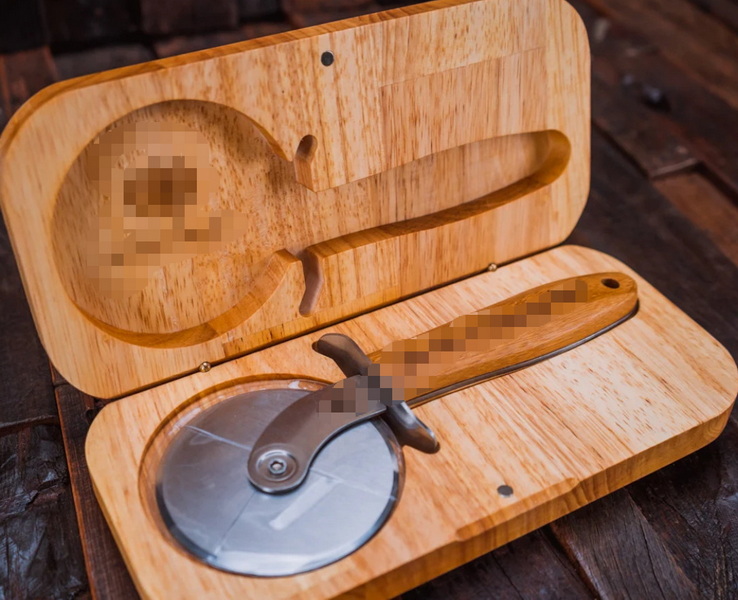
The choice of packaging material is crucial as it affects protection, aesthetics, and environmental impact. Common materials used for pizza cutter packaging include:
Corrugated cardboard is lightweight yet strong, offering excellent protection from pressure and damage during shipping. It also provides good insulation properties which help maintain product quality. Corrugated cardboard comes in multiple layers (single or double) that can be chosen based on the desired strength and durability. This material is recyclable and often coated with eco-friendly inks to enhance sustainability.
Kraft paperboard is popular for its natural brown color, giving an earthy and premium feel ideal for eco-conscious consumers. It is strong, biodegradable, and oil-resistant, making it suitable for food-related packaging. Kraft provides a rustic, natural look favored by brands focusing on sustainability, and it is fully recyclable.
Food-grade cardboard meets strict food safety standards and is designed for direct contact with kitchen tools. It often includes plant-based coatings that provide waterproof and oil-proof features, protecting the product and packaging from moisture or greasy residue. This type of cardboard is ideal for brands emphasizing product safety without compromising environmental responsibility.
Some pizza cutter packaging may use recyclable or biodegradable plastics, especially for blister shells. These materials offer excellent waterproof and oil-proof properties and can be reused or composted, reducing ecological impact. However, the overall trend favors minimizing plastic usage by switching to sustainable paper-based alternatives.
OEM manufacturers should consider the following when developing pizza cutter packaging:
- Align packaging style and materials with the target market and retail environment.
- Offer options ranging from cost-effective blister packs to premium gift boxes.
- Collaborate closely with brand clients to ensure packaging aligns with brand identity and values.
- Prioritize sustainable materials and minimalistic designs to meet growing eco-friendly consumer demands.
- Include functional elements like safety blade guards, instructional materials, and retail-friendly hanging tabs.
- Leverage multimedia through QR codes to engage end users effectively.
The right pizza cutter packaging impresses customers, protects products, and enhances brand image. Options like blister card packs, custom printed boxes, mini pizza box styles, and magnetic gift boxes offer diverse avenues to meet varied market demands. Emphasizing safety features, rich branding, and sustainability creates added value. For OEM suppliers, providing customizable packaging solutions tailored to specific client needs while integrating modern multimedia elements will lead to stronger customer satisfaction, improved market competitiveness, and increased sales.
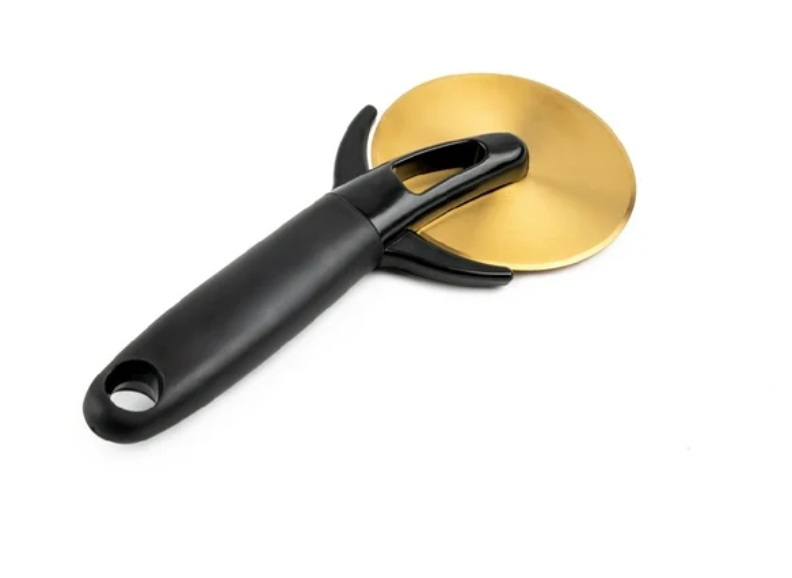
Common materials include corrugated cardboard for strength and protection, kraft paperboard for eco-friendly and premium looks, food-grade cardboard for safety and moisture resistance, and recyclable plastics primarily used in blister packages.
Yes, custom printed boxes and blister cards allow vibrant branding with full-color printing, embossing, and foil stamping tailored to client specifications.
Sustainability is increasingly crucial as consumers favor recyclable, biodegradable materials and minimalistic designs that reduce waste, reflecting positively on brand image.
Magnetic flip or gift boxes with elegant finishes and padded interiors serve well for gifting, elevating the perceived value of pizza cutters.
QR codes or augmented reality triggers printed on packaging can link to demonstration videos, usage tutorials, and maintenance tips, enhancing customer engagement and product experience.


