- All
- Product Name
- Product Keyword
- Product Model
- Product Summary
- Product Description
- Multi Field Search

Views: 222 Author: Ann Publish Time: 2025-10-18 Origin: Site


Content Menu
● History and Origins of Damascus Knives
● The Materials: What Makes a Damascus Knife Special
● The Detailed Forging Process
● Cultural Significance and Modern Appreciation
● Choosing the Right Damascus Knife
● OEM Services in Damascus Knife Production
● Innovations and Future Trends
● Frequently Asked Questions (FAQs)
>> Q1: What is a Damascus knife?
>> Q2: How do Damascus knives maintain their sharpness?
>> Q3: Are Damascus knives rust-resistant?
>> Q4: Can Damascus knives be customized for international brands?
>> Q5: What is the best way to care for a Damascus knife?
Damascus knives are revered worldwide for their unmatched beauty, strength, and cutting performance. These knives combine centuries of skillful forging tradition with modern metallurgical science to create blades that are both functional tools and artistic masterpieces. In this article, we'll explore the rich history of Damascus knives, the intricate forging process, the unique materials involved, their cultural significance, and why they remain a coveted choice for chefs and collectors alike.

Damascus steel originated in the Near East during the Middle Ages and was famed for its distinctive wavy patterns and exceptional durability. The original technique involved forging 乌氏钢 ingots imported from India and Sri Lanka. This steel had unique carbon-rich properties, creating blades that were sharp yet resilient. Although the ancient forging secrets were lost for centuries, modern Damascus knives preserve the spirit and aesthetic of the original through layered forging techniques developed by skilled smiths around the world.
Throughout history, Damascus knives were prized by warriors and rulers alike for their balance of beauty and utility. This legacy continues, making Damascus blades highly desirable collectibles and practical kitchen tools.
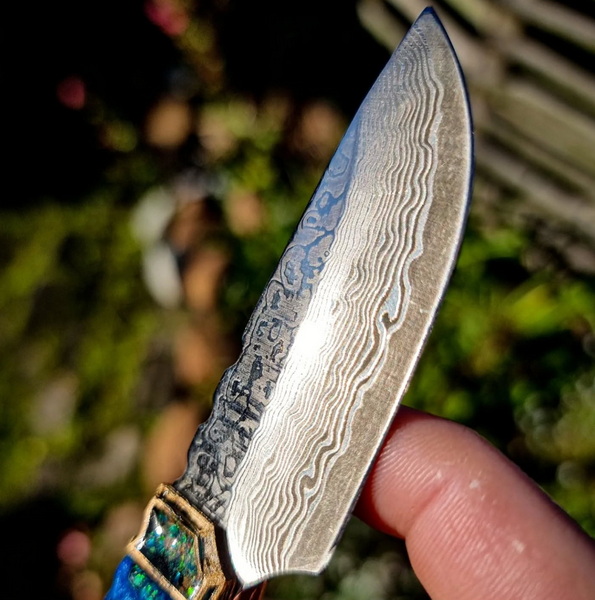
A key defining characteristic of a Damascus knife is its layered steel construction. Modern Damascus blades are created by folding and welding various steel types—commonly high-carbon steel and softer stainless steel—into a single billet. This amalgamation combines the best attributes of each metal: hardness from carbon steel for sharpness and durability, and flexibility and corrosion resistance from stainless steel.
Different steel alloys create contrasting layers visible after acid etching, which reveals the iconic rippling patterns. These combinations influence each blade's performance characteristics, making material selection a critical part of crafting Damascus knives.
Crafting a Damascus knife requires precision and artistry in every step, as summarized below:
1. Layer Stacking: Thin sheets of steel with contrasting properties are stacked in alternating layers.
2. Forge Welding: The stack is heated until molten and hammered to bond the layers into a solid, cohesive billet.
3. Folding and Twisting: The billet is folded multiple times—sometimes dozens—then twisted or manipulated to create intricate internal steel flows vital for pattern formation.
4. Shaping the Blade: The forged billet is cut and shaped into the blade form by grinding, hammering, and filing.
5. Heat Treatment: The blade undergoes precise quenching and tempering cycles to maximize hardness without brittleness.
6. Etching: Acid etching removes surface impurities and accentuates the pattern by corroding softer steel faster than harder layers.
Each knife's unique pattern tells a story of the smith's skill and the steel's journey.
The beauty of Damascus knives lies in their signature patterns, which vary dramatically by forging technique and steel arrangement. Common motifs include:
- Watered Silk: Fine, wavy lines resembling flowing fabric.
- Ladder: Parallel bands interspersed with thin layers.
- Raindrop: Small, circular patterns created by targeted hammering.
- Twist Pattern: Spiral layers formed by twisting the billet.
These patterns are not just decorative—they reflect the blade's internal structure and enhance its strength. Each blade is a one-of-a-kind work of art, ensuring exclusivity for collectors.
Damascus knives evoke fascination beyond their functional use. They symbolize the fusion of ancient craftsmanship with present-day innovation, standing as a testament to human ingenuity. Collectors prize them for their aesthetic and historical resonance, while chefs rely on them for their superior cutting ability.
Manufacturers continue exploring ways to innovate Damascus knife designs—combining traditional methods with CNC precision, experimenting with exotic alloys, or integrating custom handles that enhance ergonomics and style.
Damascus knives excel in kitchen environments due to the following:
- Superb Edge Retention: The layered high-carbon steel maintains a razor-sharp edge longer than many conventional blades.
- Balanced Flexibility: Softer steel layers provide resilience, preventing the blade from chipping or cracking.
- Corrosion Resistance: Incorporating stainless steel layers improves resistance to rust and discoloration.
- Aesthetic Appeal: The distinctive surface pattern adds value as a functional piece of art.
These qualities make Damascus knives prized tools for professional chefs and passionate home cooks alike.
To preserve their beauty and functionality, Damascus knives require attentive care:
- Always hand wash with mild detergent and lukewarm water. Avoid the dishwasher.
- Dry promptly to prevent watermarks or surface oxidation.
- Avoid abrasive scrubbing pads that could damage the etched pattern.
- Regularly hone the blade with a sharpening stone or rod to maintain the edge.
- Oil the blade occasionally with food-safe mineral oil to protect against moisture.
Proper maintenance ensures the knife remains a kitchen centerpiece for years.
When selecting a Damascus knife for your needs, consider:
- Steel Composition: Higher carbon content increases sharpness but may require more care.
- Number of Layers: More layers often mean more intricate patterns and enhanced performance.
- Blade Style: Chef's knives, cleavers, boning knives, or paring knives have different design priorities.
- Handle Material and Design: Ergonomics and durability vary—wood, micarta, or composite handles offer different benefits.
- Maker Reputation: Established smiths and manufacturers maintain strict quality standards.
Choosing wisely guarantees satisfaction and the best value for your investment.
For Foreign brand manufacturers, wholesalers and producers, partnering with specialized Chinese OEM factories offers the advantage of customizing Damascus knives to exact specifications. This includes personalized layering designs, handle options, packaging, and branding.
Chinese Damascus knife manufacturers have embraced advanced metallurgy and precision forging while maintaining artisanal skills, blending tradition with innovation. This enables international brands to offer premium, cost-effective Damascus knife collections.
The Damascus knife industry continues evolving. Key trends include:
- Use of novel steel alloys for enhanced durability.
- Integration of ergonomic, antibacterial handle materials.
- Laser engraving for complex branding and aesthetic enhancement.
- Incorporation of space-saving knife blocks designed to complement Damascus knives.
These advancements attract new markets and expand Damascus knives' role from luxury items to essential kitchen tools.
Damascus knives represent the perfect harmony of art, science, and heritage. Their complex, layered construction produces blades that are not only visually stunning but practically superior in cutting performance and durability. Whether for culinary professionals, collectors, or everyday users, owning a Damascus knife means embracing centuries of craftsmanship fused with modern innovation. Through meticulous forging, thoughtful material selection, and careful maintenance, these knives remain enduring symbols of quality and timeless beauty.
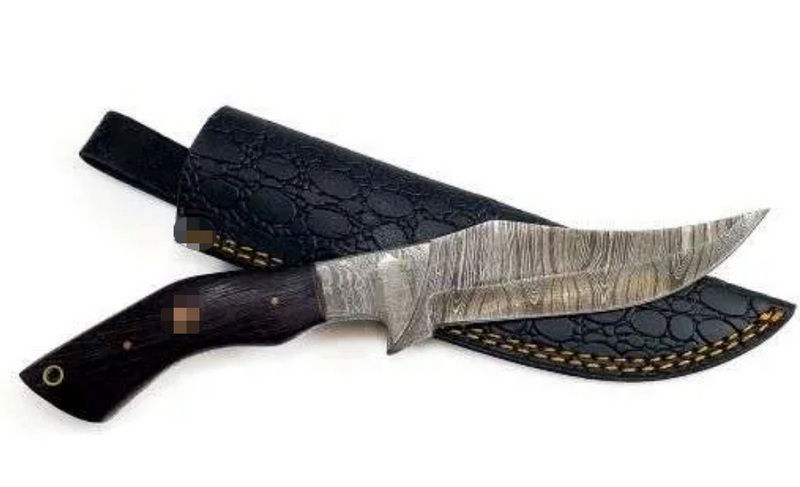
A: A Damascus knife is crafted by layering and forging different steel types to form a blade with exceptional sharpness, flexibility, and a distinctive patterned surface.
A: The high-carbon layers provide excellent edge retention, and regular honing combined with proper use ensures the blade stays sharp over time.
A: Many modern Damascus knives incorporate stainless steel layers for corrosion resistance, but proper care is necessary to prevent rust.
A: Yes, many Chinese OEM factories offer extensive customization for Damascus knives, including blade design, handle style, and branding.
A: Hand wash with mild soap, dry immediately, avoid abrasive materials, regularly hone the blade, and occasionally apply food-safe oil to the blade.


