- All
- Product Name
- Product Keyword
- Product Model
- Product Summary
- Product Description
- Multi Field Search

Views: 222 Author: Ann Publish Time: 2025-11-04 Origin: Site


Content Menu
● Why China Remains a Leader in Bread Knife Manufacturing
● Bread Knife Categories and Applications
>> Serrated bread knives for crusty loaves
>> Carving and utility knives with bread-cutting function
● Materials and Technologies Behind Quality Bread Knives
>> Blade steels
● OEM Capabilities for Foreign Brands
>> Material sourcing and supplier control
>> Packaging, branding, and compliance
>> Logistics and international trade
● Choosing a Reliable Bread Knife Manufacturer
>> Production scalability and capacity
>> Quality assurance and traceability
>> Certifications and regulatory readiness
>> Customer support and collaboration model
● Industry Trends and Innovations
>> Sustainable packaging and materials
>> Smart branding and value-added services
● FAQs
>> What are the core advantages of Chinese bread knife OEM partners for international brands?
>> What customization options are commonly available for bread knives in OEM programs?
>> What should a brand look for in a bread knife supplier's quality assurance?
>> What is a typical lead time range for custom bread knives from prototype to mass production?
>> How can a foreign brand verify a bread knife supplier's material and edge performance?
Bread knives, with their distinctive serrated edges, are essential tools in professional kitchens and home bakeries alike. For foreign brands, wholesalers, and manufacturers seeking reliable OEM collaboration, China remains a leading hub due to its dense supplier network, mature machining capabilities, and proven export logistics. This article delves into the landscape of Chinese bread knife manufacturing, highlighting key categories, materials, processes, and the capabilities that empower foreign brands to customize and scale through Chinese partners. Bread Knife is the central keyword woven throughout, ensuring visibility for buyers researching bread knife solutions and OEM capacity in China. The aim is to equip readers with practical considerations, design options, and partner selection criteria that align with international quality expectations and regulatory requirements.

China's bread knife production benefits from a complete supply chain, from steel raw materials and blade processing to handle fabrication, finishing, and packaging. The ecosystem enables rapid prototyping, flexible MOQs for OEM projects, and competitive pricing without compromising on core quality attributes such as sharpness, edge retention, corrosion resistance, and ergonomic handling. For foreign brands, this translates into shorter development cycles, the ability to test multiple blade geometries, and scalable production runs tailored to regional market demands. The breadth of manufacturers in regions like Yangjiang and Guangdong also supports diversified design language—from traditional Western-style bread knives to contemporary Japanese-influenced serrations—while maintaining strict quality-control standards and export readiness. Bread Knife manufacturing in China often emphasizes a blend of traditional craftsmanship and modern automation to achieve consistent tolerances and finishes across large batches. This convergence of capabilities is critical for brands pursuing reliable OEM partnerships and consistent global supply.
Bread knives encompass several design variants, each tailored to particular bread textures and kitchen workflows. Understanding these categories helps brand owners specify tooling, material choices, and finishing processes during OEM negotiations.
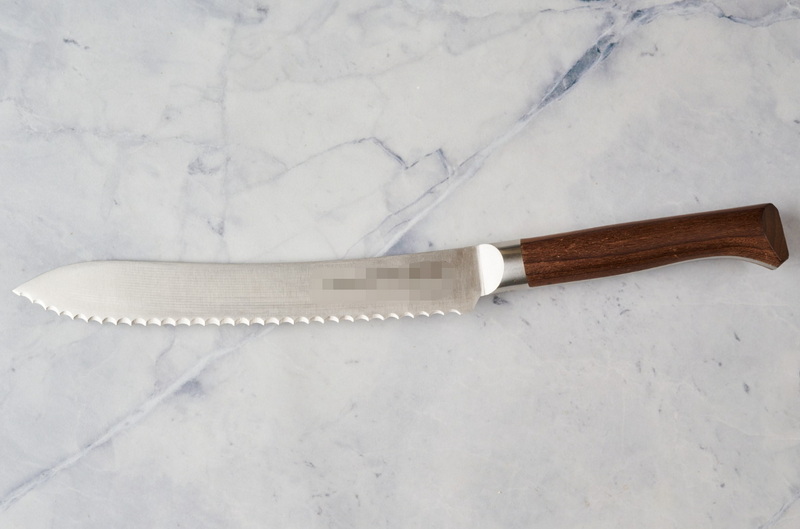
- Typical blade lengths range from 8 to 10 inches (20–25 cm), balancing reach with control. Serration patterns vary from long, gentle teeth to aggressive micro-serrations to optimize crust penetration without crushing crumb. Engineered edge geometry and tooth pitch influence cutting efficiency, crumb retention, and longevity under high-volume use. For OEM partners, customization often includes tooth profile, bevel angle, and recommended sharpening interval to meet target markets. Bread Knife is a core term in searching and sourcing conversations.
- Serrated bread knives for soft breads and specialty loaves
- Some markets prefer finer serrations or hybrid edge designs that reduce tearing for delicate crumb textures. OEM programs may incorporate alternate blade steel grades or coatings to address corrosion resistance in humid environments or salt-heavy sea air often encountered in desalination and offshore contexts.
- In some product lines, brands combine bread-specific functionality with multipurpose blade shapes to reduce tool count in professional kitchens. These OEM arrangements require careful specification of balance, weight distribution, and grip ergonomics to preserve bread-cutting performance while maintaining overall versatility.
- Mini bread knives for boutique applications
- For premium brand nodes, compact 5–6 inch variants may be produced with premium handle materials and refined finishes, targeting boutique retailers or gift sets. OEM projects for these sizes emphasize aesthetic details, edge geometry, and packaging design.
The blade material and processing deeply affect performance and durability. OEM collaborations often select materials and heat-treatment regimes aligned with regional usage patterns and maintenance expectations.
- High-carbon stainless steels provide a balanced mix of hardness, corrosion resistance, and ease of maintenance. Powder metallurgy steels may offer enhanced hardness and edge retention under heavy chopping cycles, albeit at a higher cost. OEM buyers typically evaluate hardness (HRC), stain resistance, and ease of re-sharpening when choosing blade steel for bread knives.
- Edge geometry and serration
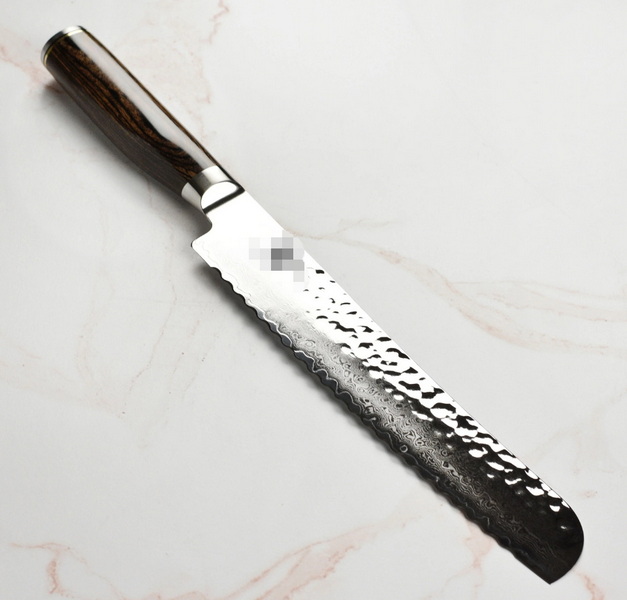
- Serration profiles influence bite strength, crust penetration, and crumb integrity. Engineered serrations can be optimized for different bread textures, while some brands opt for micro-serrated designs to minimize crumb damage.
- Heat treatment
- Vacuum or controlled-atmosphere heat treatments, followed by precise tempering, are common in quality bread knives. Proper quenching and tempering improve edge stability and reduce the risk of micro-cracks, which is essential for long-term performance in professional environments.
- Finishes may include brushed or polished surfaces to reduce glare and improve corrosion resistance. Some OEM programs incorporate protective coatings or passive layers to enhance longevity in humid kitchens or coastal markets.
OEM success hinges on a factory's ability to translate a brand's specifications into scalable production with consistent quality and timely delivery.
- From CAD models to physical prototypes, OEM partners often provide iterations of blade geometry, tooth pattern, handle ergonomics, and packaging concepts. This accelerates the validation phase before full-scale production.
- International buyers expect robust QA processes, including incoming material inspections, in-process checks, and final inspections. Certifications such as ISO 9001 or domain-specific standards indicate a mature quality framework suitable for global markets.
- A well-integrated supply chain for blade steel, handles, and coatings reduces lead times and risk. OEM manufacturers may offer pre-approved supplier lists or collaborate with customers to validate new material sources.
- OEM programs frequently include custom packaging, labelling, and branding assets that comply with destination-market regulations. This is critical for shelf presentation and cross-border logistics.
- Export experience, documentation accuracy, and reliable lead times form the backbone of a healthy OEM relationship. Manufacturers that can align with incoterms, freight consolidation, and destination-specific import duties typically provide smoother market entry for Bread Knife products.
For brands seeking a trustworthy partner in China, a structured evaluation helps ensure alignment with technical requirements and business objectives.
- Assess whether the manufacturer can meet required blade materials, heat-treatment standards, serration patterns, and handle ergonomics. A credible partner should present a clear manufacturing plan, sample processes, and a transparent bill of materials.
- Evaluate monthly output, minimum order quantities, and lead times for both prototypes and mass production. Ensure flexibility to accommodate evolving design tweaks and demand fluctuations.
- Look for traceable lot numbers, serial inspections, and documented testing methods. A strong QA culture reduces risk of defects and recalls in international markets.
- Verify relevant certifications (ISO 9001, OHSAS, or industry-specific marks) and confirm compliance with target markets' standards, including labeling and safety requirements for consumer products.
- Consider the ease of communication, responsiveness, and willingness to integrate with the customer's product development cycle. Transparent pricing, sampling policies, and after-sales support are critical for long-term partnerships.
China's bread knife landscape continues to evolve with consumer demands and global trade dynamics.
- As brands seek eco-friendly solutions, OEM manufacturers explore recyclable packaging, minimal plastic usage, and sustainable handle materials that still deliver ergonomic comfort and durability.
- Ergonomic handles crafted from composites, polymers, or wood alternatives offer improved grip stability and aesthetics. OEM programs may include custom scales, texture patterns, and colorways aligned with brand identities.
- In an increasingly competitive market, some manufacturers offer value-added options such as custom watermarking, laser engraving, and branded display packaging to enhance in-store appeal.
- QR codes linking to product specs, material declarations, and testing reports help brands communicate traceability and safety to end customers, reinforcing trust in bread knife OEM products.
China remains a strategic source for bread knife OEM programs due to a dense supplier base, proven manufacturing discipline, and the ability to scale from prototype to mass production with controlled quality. By focusing on material choices, heat-treatment protocols, serration design, ergonomic handling, and rigorous QA practices, foreign brands can collaborate with credible Chinese manufacturers to deliver bread knives that meet global performance expectations. A successful partnership hinges on clear communication of technical requirements, transparent costing, robust sample processes, and a shared commitment to ongoing quality improvement. Prospective buyers should initiate conversations with potential partners, request detailed proposals and samples, and assess alignment on scope, timelines, and after-sales support. For brands seeking tailored bread knife solutions, initiating a structured OEM collaboration with a qualified Chinese manufacturer can unlock consistent supply, competitive pricing, and design flexibility across international markets.
- Answer: Chinese bread knife OEM partners typically offer strong cost competitiveness, a complete supply chain from blade steel to handle assembly, flexible MOQs for prototyping and scale production, robust QC practices, and extensive export experience tailored to global markets. This combination helps foreign brands move quickly from concept to shipment while maintaining consistent quality.
- Answer: Common options include blade length, tooth geometry and serration pattern, blade steel grade, heat-treatment schedules, blade finishes, handle materials and ergonomics, coating or protective layers, packaging, and branding elements such as logos and manuals.
- Answer: Key indicators include ISO 9001 or equivalent certification, traceability systems for raw materials and production lots, in-process inspections, final QA checks, capability to provide test reports or material declarations, and transparent incident handling or corrective action processes.
- Answer: Prototyping can take several weeks (dependent on design complexity and approval cycles), while initial mass production runs may require 4–12 weeks after final specifications and samples are accepted. Longer timelines may occur for complex coatings or specialized materials.
- Answer: Request sample blades for independent testing, ask for hardness (HRC) data, edge retention information, corrosion resistance measurements, and documentation of heat-treatment processes. Third-party lab test reports or supplier-provided test data can verify performance claims.


