- All
- Product Name
- Product Keyword
- Product Model
- Product Summary
- Product Description
- Multi Field Search

Views: 222 Author: Ann Publish Time: 2025-09-10 Origin: Site


Content Menu
● Understanding Cleaver Knives: Purpose and Key Features
>> Distinctive Features of Cleaver Knives:
● The Canadian Cleaver Knife Market Overview
>> Leading Canadian Cleaver Knife Manufacturers and Suppliers:
● Cleaver Knife Manufacturing Process: Insight into Craft and Technology
>> Steel Selection and Initial Design
>> Heat Treatment (Hardening and Tempering)
>> Grinding and Edge Sharpening
>> Handle Crafting and Assembly
● The Role of OEM Partners in Canada's Cleaver Knife Market
>> Advantages of OEM Collaboration for Cleaver Knives:
● Key Considerations When Choosing Cleaver Knives from Canadian Suppliers
● Trends and Innovations in Canadian Cleaver Knives
● Frequently Asked Questions (FAQs)
>> 1. Who are the top cleaver knife manufacturers and suppliers in Canada?
>> 2. Can Canadian brands provide OEM cleaver knife manufacturing?
>> 3. What materials are mostly used in Canadian cleaver knives?
>> 4. Are Canadian cleaver knives suitable for professional kitchens?
>> 5. How does the cleaver manufacturing process work in Canada?
Cleaver knives serve as one of the most essential tools in professional kitchens and home cooking settings worldwide. Designed for heavy-duty chopping, cleavers excel at slicing through bones, thick meat cuts, and hard vegetables with precision and strength. For chefs, butchers, and culinary professionals who demand durability and sharpness, sourcing cleavers from reputable manufacturers and suppliers is crucial.
This article delves into the realm of cleaver knife manufacturers and suppliers in Canada, introducing leading brands, industry trends, OEM partnerships, and key factors to consider when choosing cleavers.
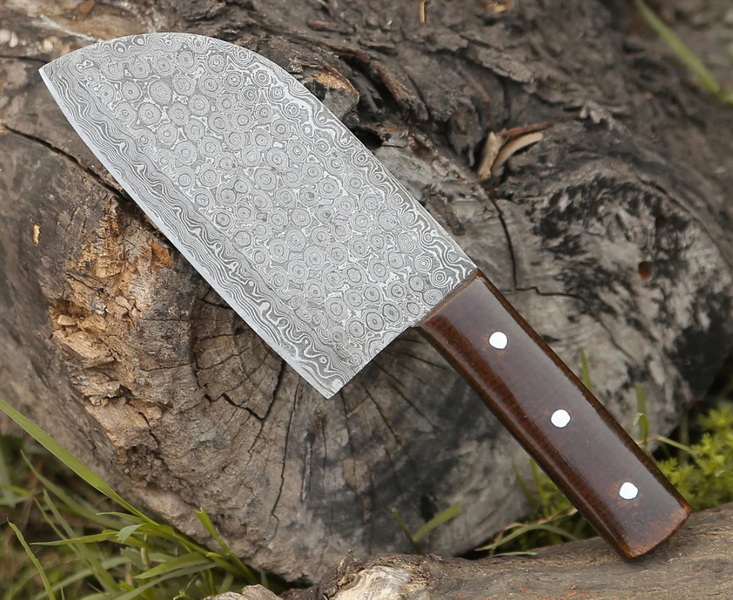
A cleaver is a heavy-duty kitchen knife characterized by a wide, rectangular blade and significant blade thickness. Unlike slicing knives, which are thin and precise, cleavers rely on weight and blade strength to tackle tough kitchen tasks. The broad blade also doubles as a crushing tool for garlic or a surface to scoop ingredients.
- Wide blade, typically 6 to 9 inches long from heel to tip
- Heavy weight to generate chopping force
- Thick blade edge designed to resist chipping and bending
- Flat, broad blade surface for multifunctional kitchen use
Cleavers are widely used in butcheries for meat processing and in kitchens for chopping dense vegetables, making them indispensable tools where power and durability are required.
While Canada is not traditionally known as a dominant knife manufacturing hub compared to countries like Japan or Germany, it is home to several respected cleaver knife manufacturers and suppliers focusing on quality craftsmanship and innovation. Canadian brands leverage a mix of traditional forging methods and modern technologies to meet professional culinary demands.
- Grohmann Knives (Pictou, Nova Scotia): This family-operated business has a reputation for crafting highly balanced and durable cleavers. Their hand-forged blades are sought after by chefs valuing precision and longevity.
- Dalstrong Canada: Although originally an international brand, Dalstrong's Canadian distribution features premium cleaver lines, such as the Omega and Shogun Series. These cleavers are crafted from high-carbon stainless steel with ergonomic G10 handles, providing chefs with sharp blades designed for tough chopping jobs.
- Nella and Igloo Restaurant Supplies: These retail chains specialize in commercial kitchen tools, offering a wide range of affordable, practical cleavers with ergonomic grips targeted at restaurant professionals.
The Canadian market for cleaver knives is noted for blending quality steel comparable to European and Japanese standards with attentive customer service and brand trust localized for North American chefs.
Understanding how cleaver knives are made reveals the skill and precision that Canadian manufacturers and their OEM partners invest in each blade. Manufacturing typically involves stages such as steel selection, cutting, forging, heat treatment, grinding, and handle assembly.
Canadian craftspeople and OEM factories work with high-carbon stainless steels like 1084 or premium German steel grades. These steels balance hardness, edge retention, and corrosion resistance, core qualities for cleaver performance. The blade's design is first sketched, often prototyped in wood or cardboard to optimize shape and size while minimizing steel waste.
In Canadian artisanal brands like Grohmann, forging remains a key part of the process. The steel blank is heated to high temperatures (approximately 1500°F) and hammered to create the knife's distinctive thick blade profile. Forging enhances steel grain structure, improving strength and flexibility.
Mass production OEMs, including Chinese partners supplying Canadian distributors, employ CNC cutting and stamping to achieve consistent blade shapes quickly before finishing by hand or machine.
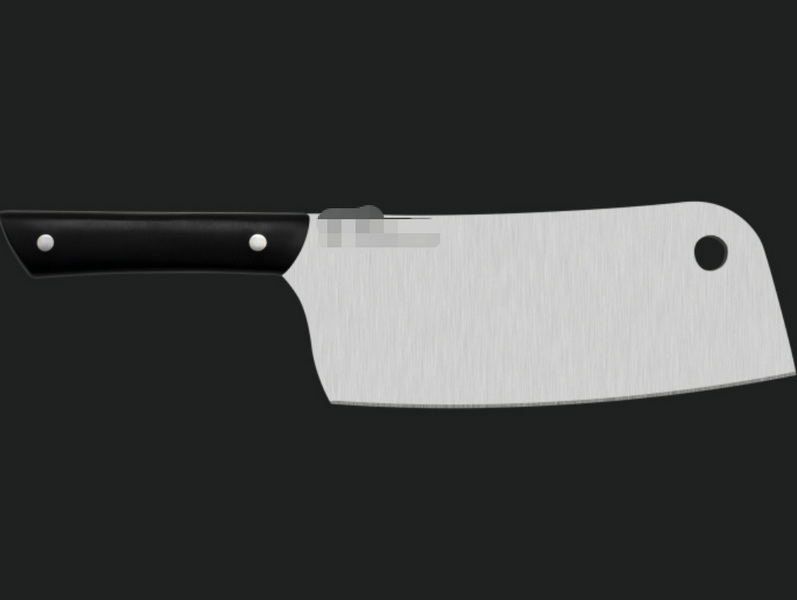
After shaping, the cleaver blade undergoes heat treatment to harden the steel. This involves heating the blade to a critical temperature and then quenching it in oil to lock in hardness (typically aiming for Rockwell hardness around 58-65 HRC). Tempering at lower temperatures follows to reduce brittleness while maintaining sharpness and durability.
Once hardened, blades are ground to refine their edge geometry—cleavers usually have a thick bevel around 20 degrees, prioritizing strength over slicing precision. Multiple grinding steps create a sharp, tough edge capable of withstanding powerful chopping.
Handles are crafted from materials ranging from wood, resin, micarta, to G10 composites for a balance of grip comfort and durability. Hand assembly includes pinning or riveting the handle to a full tang blade, followed by finishing touches like sanding and sealing to resist moisture.
Many Canadian cleaver manufacturers collaborate with specialized OEM factories, especially in places like Yangjiang, China—the global hub for knife production—to offer custom designs without the high costs of local manufacturing. This hybrid model enables competitive pricing while maintaining quality standards expected by Canadian brands.
- Tailor-made designs reflecting Canadian brand identity and market needs
- Access to advanced manufacturing techniques like 3D modeling, vacuum heat treatment, and multi-step grinding
- Cost savings through economies of scale
- Quality assurance through Canadian oversight and certifications
This global cooperation ensures Canadian cleaver knife suppliers can offer a range of models—from premium handcrafted blades to affordable volume products—meeting diverse client demands.
For buyers considering Canadian cleaver knife manufacturers and suppliers, attention to the following factors can ensure the best choice:
- Blade Material: High carbon stainless steel blends offer excellent corrosion resistance combined with edge retention, ideal for meat and vegetable prep.
- Blade Weight and Thickness: Heavier blades provide chopping power but may reduce maneuverability; finding the right balance is critical.
- Handle Ergonomics: Slip-resistant, comfortable grips matter most for chefs who use cleavers for extended periods.
- Purpose and Versatility: Some cleavers are specialized for butchery, while others serve multi-functional kitchen roles; knowing the use case helps in selection.
- Brand Reputation and Warranty: Established Canadian suppliers often provide better post-sale support and quality guarantee.
The Canadian cleaver knife market has embraced innovations to meet evolving chef needs:
- Use of titanium-nitride coatings to increase blade durability and add a sleek finish.
- Incorporation of military-grade resin handles for enhanced strength and waterproof properties.
- Adoption of vacuum heat treatment improving blade hardness and toughness.
- Introduction of miniature cleavers blending precision and power for delicate kitchen tasks.
Such advancements reinforce Canada's growing reputation in professional-grade cleaver knives.
Canada's cleaver knife manufacturers and suppliers have carved a niche by combining traditional craftsmanship, innovative technology, and robust OEM partnerships. Brands like Grohmann Knives and distributors such as Dalstrong Canada deliver a blend of quality, durability, and design tailored for professional chefs and commercial kitchens. Leveraging high-grade steels and ergonomic designs, Canadian suppliers offer a compelling range of cleaver knives suitable for local and international buyers seeking reliability and value.
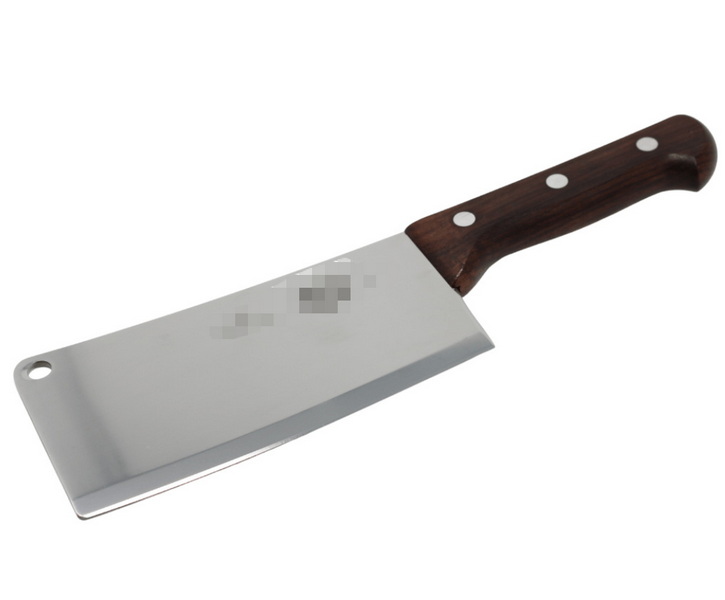
Leading names include Grohmann Knives, Dalstrong Canada for distribution, and commercial suppliers like Nella and Igloo.
Yes, many Canadian brands use trusted OEM factories, primarily in China, for custom cleaver production at competitive prices.
High carbon stainless steel blades paired with wood, G10, or resin handles are common to balance sharpness and comfort.
Absolutely, Canadian manufacturers focus on durability, sharpness, and ergonomics required for heavy kitchen use.
It involves design, steel selection, forging or CNC cutting, heat treating, grinding, and handle assembly, sometimes in collaboration with OEM factories overseas.


