- All
- Product Name
- Product Keyword
- Product Model
- Product Summary
- Product Description
- Multi Field Search

Views: 222 Author: Ann Publish Time: 2025-06-25 Origin: Site


Content Menu
● The Legacy of German Knife Set Manufacturers and Suppliers
● Top Knife Set Manufacturers and Suppliers in Germany
>> 1. Wüsthof
>> 3. Güde
>> 4. Böker
>> 6. Robert Herder (Windmühlenmesser)
>> 7. WMF
● What Makes German Knife Sets Unique?
● Innovations in German Knife Technology
● Environmental and Ethical Considerations
● Maintenance Tips for Longevity
● Customization and Personalization
● The Role of German Knives in Culinary Culture
● Frequently Asked Questions (FAQs)
>> 1. What is the difference between German and Japanese kitchen knives?
>> 2. Are all German kitchen knives made in Solingen?
>> 3. How should I care for my German kitchen knives?
>> 4. Which German knife brand is best for beginners?
>> 5. What types of kitchen knives do German manufacturers produce?
Germany is globally renowned for its exceptional craftsmanship in knife manufacturing, especially kitchen knives. The country's rich history, particularly centered around the city of Solingen—known as the “City of Blades”—has made it a hub for producing some of the finest knife sets in the world. German knife manufacturers and suppliers are synonymous with quality, durability, and innovative design, making their products highly sought after by chefs and home cooks alike. This article explores the top knife set manufacturers and suppliers in Germany, their unique features, and why German knives continue to set the standard in the global market.

German knife manufacturing dates back centuries, with Solingen at its heart. The “Solingen” mark guarantees knives that meet strict quality standards, symbolizing expert craftsmanship and superior materials. German manufacturers have mastered the art of forging high-carbon stainless steel blades that balance hardness, flexibility, and corrosion resistance. These qualities make German knife sets durable and versatile, ideal for various culinary tasks.
The tradition of German knife making is deeply intertwined with the country's industrial development and artisanal heritage. Over generations, manufacturers have refined their forging, tempering, and finishing techniques, ensuring each knife set offers precision and longevity. This longstanding expertise is why German knife sets are often regarded as heirloom-quality tools, passed down through families or prized in professional kitchens.
Founded in 1814 and still family-owned, Wüsthof is a pillar of German knife-making excellence. Their knives are precision-forged from a single piece of high-carbon stainless steel and hardened to a Rockwell hardness of about 58, ensuring excellent edge retention and durability. Wüsthof knives feature balanced bolsters and ergonomic handles for comfort and safety during use.
Popular series like Classic, Ikon, and Gourmet offer a wide range of blade shapes and sizes to suit every culinary need. Wüsthof's patented Precision Edge Technology (PEtec) provides razor-sharp edges that last longer. The company's commitment to combining traditional craftsmanship with modern technology results in knives that are both functional and elegant.
Wüsthof also invests heavily in research and development, introducing innovations such as the “Epicure” line, which features seamless handles for enhanced hygiene and comfort. Their knives are rigorously tested to meet the demands of professional chefs, ensuring reliability in high-pressure environments.
Established in 1731, Zwilling J.A. Henckels is one of the oldest and most respected German knife manufacturers. Their knives are famous for the FRIODUR ice-hardening process, which enhances blade durability and edge retention. Zwilling offers a broad selection of knives, including traditional German styles and Asian-inspired blades.
Popular collections such as Zwilling Pro, Four Star, and Twin Signature are favored worldwide for their sharpness, balance, and ergonomic design. Zwilling also embraces modern aesthetics and collaborates with renowned designers to produce knives that combine performance with style.
Zwilling's dedication to sustainability is notable, with efforts to reduce waste and improve energy efficiency in their manufacturing processes. Their knives often feature ergonomic handles made from sustainable materials, reflecting a commitment to environmental responsibility alongside quality.
Güde has been crafting handcrafted knives in Solingen since 1910. Their production involves a meticulous 55-step process blending traditional craftsmanship with modern technology. Güde knives are recognized for their heft, balance, and exceptional sharpness.
The Alpha and Delta series feature unique handle materials such as olive wood and micarta, adding elegance to their sturdy blades. Güde emphasizes craftsmanship over mass production, ensuring each knife is a durable, high-quality tool designed for professional use.
Güde's approach to knife making is deeply artisanal, with many blades hand-honed and polished to perfection. This attention to detail results in knives that not only perform exceptionally but also possess a distinctive aesthetic appeal, appreciated by collectors and chefs alike.
With roots dating back to the 17th century, Böker is one of Germany's oldest knife manufacturers. Böker is known for innovative use of materials, including Damascus steel and high-tech ceramics. Their kitchen knives stand out for sharpness, durability, and striking aesthetics.
Böker offers a wide range of knives, from classic chef's knives to specialized utility blades, appealing to chefs and collectors alike. Their commitment to quality and innovation keeps them at the forefront of German knife manufacturing.
Böker's Damascus series, for example, combines traditional layered steel forging with modern blade geometry, producing knives that are both visually stunning and exceptionally sharp. Their experimental lines often push the boundaries of material science in knife making.
Though based in California, Messermeister's Meridian Elite and Oliva Elite series are forged in Solingen, maintaining the traditional German knife-making heritage. Messermeister knives are known for robust construction, comfortable rounded handles, and slightly thicker blades, providing toughness and durability.
The company combines traditional hot-drop forging techniques with modern materials, resulting in knives that are both functional and elegant. Messermeister offers a lifetime warranty on many knives, reflecting confidence in their quality.
Messermeister also places strong emphasis on knife ergonomics, designing handles that reduce fatigue during extended use. Their knives are popular among culinary professionals who require dependable tools for daily kitchen tasks.
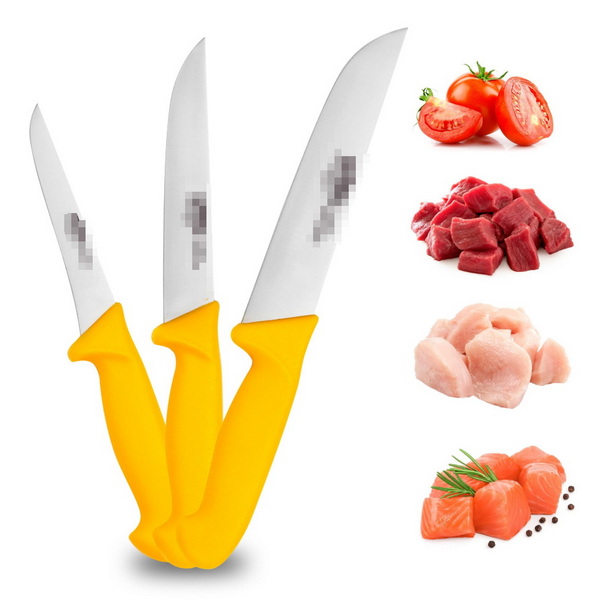
Founded in 1872 in Solingen, Robert Herder is famous for hand-ground blades and the distinctive “Solingen thin grind,” producing extremely sharp and lightweight knives. Their traditional wooden handles, often made from plum or cherry wood, provide rustic charm.
Windmühlenmesser knives are prized by chefs who value precision and artisanal craftsmanship, with each knife being a unique, small-batch creation.
Robert Herder's knives are often sought after by enthusiasts who appreciate the blend of old-world techniques and modern performance. The hand-forged blades offer a cutting experience that is both delicate and precise.
WMF, a household name in Germany since 1853, produces a wide range of kitchen knives known for ergonomic design, modern aesthetics, and affordability. Their Grand Gourmet and Spitzenklasse Plus series are popular among home cooks seeking reliable and stylish knives.
WMF's knives often feature stainless steel handles with sleek designs, making them easy to clean and maintain. Their products are widely available, making quality German knife sets accessible to a broader audience.
- High-Quality Steel: German knives typically use high-carbon stainless steel, which is durable, corrosion-resistant, and easy to sharpen. This steel composition strikes a balance between hardness and flexibility, ensuring knives retain their edge without becoming brittle.
- Full Tang Construction: Most German knives have a full tang, meaning the blade extends through the handle, providing strength and balance. This construction enhances durability and control during cutting.
- Bolster for Safety and Balance: The bolster connects the blade and handle, protecting the hand and offering ideal balance. It also adds weight and stability, making chopping and slicing safer and more efficient.
- Forging Process: German knives are often forged rather than stamped, involving a complex process that enhances durability. Forging aligns the steel's grain structure, resulting in a stronger, more resilient blade.
- Ergonomic Handles: Designed for comfort and control, handles are often riveted and made from materials like wood, synthetic composites, or stainless steel. These handles reduce hand fatigue and improve grip, especially during prolonged use.
German manufacturers continuously innovate to improve knife performance. For example, Wüsthof's Precision Edge Technology (PEtec) uses laser sharpening for longer-lasting edges. Zwilling's FRIODUR ice-hardening process enhances blade toughness and corrosion resistance. Additionally, some brands incorporate patented features like Wüsthof's sacrificial anode, which protects the blade from corrosion.
Other innovations include:
- Seamless Handles: To improve hygiene and comfort, some manufacturers design knives with seamless handles that prevent bacteria buildup.
- Advanced Coatings: Certain knives feature non-stick or anti-reflective coatings to reduce food adhesion and enhance blade longevity.
- Modular Knife Sets: Some suppliers offer modular sets where handles and blades can be interchanged, providing customization and easier maintenance.
Many German knife manufacturers emphasize sustainable practices, including responsible sourcing of materials and environmentally friendly production processes. The focus on craftsmanship over mass production also contributes to longer-lasting products, reducing waste and promoting sustainability.
Manufacturers like Zwilling and Wüsthof have adopted energy-efficient production methods and use recycled materials where possible. Additionally, the durability of German knives means fewer replacements and less environmental impact over time.
Proper care is essential for preserving the performance and appearance of German knife sets:
- Hand Wash Only: Avoid dishwashers, as harsh detergents and heat can damage blades and handles.
- Use Appropriate Cutting Boards: Wood or plastic cutting boards protect the blade better than glass or stone.
- Regular Honing: Use a honing steel to realign the blade edge between sharpenings.
- Professional Sharpening: Periodically have knives professionally sharpened to maintain optimal cutting performance.
- Safe Storage: Store knives in blocks, magnetic strips, or protective sheaths to prevent dulling and accidents.
Some German knife manufacturers offer customization options, including personalized engravings and handle materials. This allows customers to tailor their knife sets to personal preferences, making them ideal gifts or professional tools.
Custom handles can be crafted from exotic woods, stabilized resin, or other premium materials, enhancing both aesthetics and grip. Engraving services add a personal touch, often used for commemorative or corporate gifts.
German knife sets are favored by professional chefs and home cooks worldwide for their versatility, durability, and comfort. Their robust design suits heavy-duty chopping and slicing, making them indispensable in busy kitchens. The blend of tradition and innovation ensures German knives remain a symbol of culinary excellence.
Beyond functionality, German knives often represent a connection to culinary heritage and craftsmanship, inspiring confidence and pride in users. Their presence in kitchens worldwide underscores the global influence of German manufacturing excellence.
Germany's top knife set manufacturers and suppliers have earned their global reputation through centuries of craftsmanship, innovation, and dedication to quality. Brands like Wüsthof, Zwilling J.A. Henckels, Güde, Böker, and Messermeister exemplify the best of German knife-making, offering products that combine durability, sharpness, and ergonomic design. Whether for professional chefs or home cooks, German knife sets provide unmatched performance and longevity, making them a preferred choice worldwide.
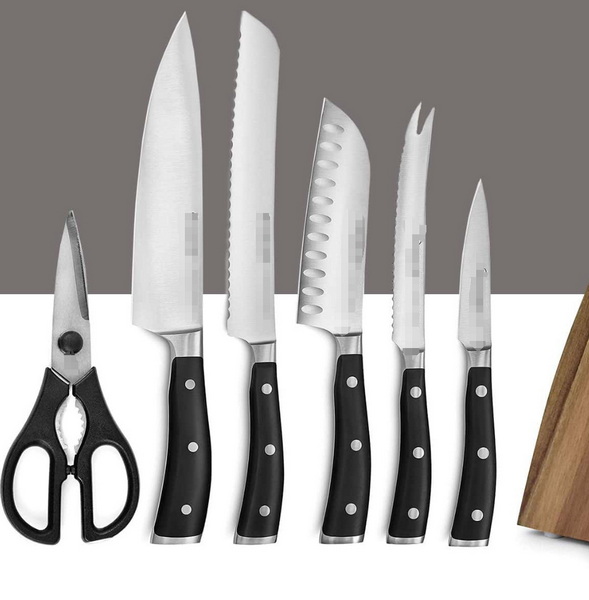
German knives are typically thicker, heavier, and forged for durability and versatility, while Japanese knives are thinner, lighter, and designed for precision cutting.
Most high-quality German knives are made in Solingen, but some brands may produce knives in other locations. The Solingen mark guarantees traditional craftsmanship and quality.
Hand wash immediately after use, dry thoroughly, hone regularly, and store properly to maintain sharpness and prevent damage.
WMF offers affordable, ergonomic knife sets suitable for beginners, while Wüsthof and Zwilling provide high-quality options for those seeking professional-grade knives.
German manufacturers produce a wide range of knives, including chef's knives, paring knives, bread knives, utility knives, and specialty blades.


