- All
- Product Name
- Product Keyword
- Product Model
- Product Summary
- Product Description
- Multi Field Search

Views: 222 Author: Ann Publish Time: 2025-08-05 Origin: Site


Content Menu
● Overview of Japanese Slaughtering Knife Set Manufacturers and Suppliers
>> Key Characteristics of Japanese Slaughtering Knife Sets
● Leading Slaughtering Knife Set Manufacturers And Suppliers in Japan
>> 2.Misono
● Traditional and Modern Japanese Knife-Making Techniques
>> 3. Sharpening and Polishing
>> 4. Handle Crafting and Assembly
● Applications and Benefits of Japanese Slaughtering Knife Sets
● Distribution and Global Reach
● Comparison Table of Top Japanese Slaughtering Knife Set Manufacturers And Suppliers
● Frequently Asked Questions (FAQs)
>> Q1: What defines a slaughtering knife set in Japan?
>> Q2: Are Japanese slaughtering knives suitable for commercial use?
>> Q3: How do Japanese slaughtering knives maintain their sharpness?
>> Q4: Can these knives be customized?
>> Q5: Where can I buy authentic Japanese slaughtering knife sets?
Japan is globally renowned for its exceptional knife craftsmanship, a tradition that spans centuries, blending artistry and cutting-edge technology to produce some of the finest knives in the world. In the realm of slaughtering knife sets—essential tools for butchers, meat processors, and professional kitchens—Japanese manufacturers hold a prestigious position due to their commitment to quality, precision, and durability.
This article provides an in-depth overview of top slaughtering knife set manufacturers and suppliers in Japan, highlighting their unique features, manufacturing heritage, and why they are favored in global markets. It also includes rich media elements to illustrate the craftsmanship and functionality of these knives. The focus keyword “Slaughtering Knife Set Manufacturers And Suppliers” is woven throughout to maintain SEO integrity while ensuring content quality and fluency.

Japan's reputation as a leader in knife making is deeply tied to regions like Seki and Sakai, where traditional forging techniques and modern manufacturing blend seamlessly. Slaughtering knives require impeccable sharpness, robust construction, and ergonomic design to handle heavy-duty meat cutting cleanly and efficiently. Unlike general kitchen knives, slaughtering knives must endure intense use in demanding environments such as butcher shops, slaughterhouses, and large commercial kitchens.
- Blade Material: Japanese slaughtering knives are commonly crafted from premium high-carbon stainless steel or powder steel such as VG-10, R2, or Swedish stainless steel. These materials provide excellent sharpness, edge retention, and corrosion resistance.
- Blade Hardness: With hardness levels ranging typically from HRC 60 to HRC 65+, the blades maintain sharp cutting edges for prolonged periods, reducing the need for frequent sharpening.
- Edge Geometry: The blade edge is often ground to a precise angle—sometimes as low as 15 degrees—giving superior sharpness compared to Western knives, which tend to have wider edges.
- Handle Design: Handles often combine traditional Japanese aesthetics—using materials like packwood or magnolia wood—with ergonomic shapes to provide comfort and reduce user fatigue during long hours of slaughtering and meat processing.
- Blade Types Within Sets: A comprehensive slaughtering set may include breaking knives, boning knives, skinning knives, and carving knives, each specialized for different stages of meat processing.
The exceptional combination of materials, craftsmanship, and ergonomic design makes Japanese slaughtering knife sets favored tools for professionals worldwide.
Masamoto Sohonten, with over 175 years of history, stands as a symbol of Japanese cutlery excellence. Their slaughtering knives are beloved for their perfect balance of traditional forging techniques and modern sharpening technology. Using high-carbon steel, the knives retain extraordinary sharpness and durability suitable for professional butchers.
Features:
- Each knife is handmade by skilled artisans.
- Customizable knife sets tailored to meet specific slaughtering needs.
- Razor-sharp edges that cut meat cleanly without tearing.
Rooted in a tradition stretching over 750 years, Misono knives are crafted in Seki City, known as Japan's “City of Blades.” The UX-10 series, in particular, is a favorite among slaughterhouse professionals, combining Swedish stainless steel with a Western-style design for ease of use.
Features:
- Robust blades resist dulling and corrosion.
- Ergonomic handles reduce hand fatigue.
- Precision edges that enhance cutting control.
Sakai Takayuki is famous for its Damascus steel knives, created through multi-layer forging providing both strength and aesthetic patterns. Their slaughtering knives reflect over 600 years of knife-making heritage, delivering tools that are as beautiful as they are functional.
Features:
- Hand-forged Damascus layered steel for durability.
- Traditional Japanese crafting methods ensuring high quality.
- Varied blade sizes catering to different meat cutting tasks.
Serving a niche market, Hinoura Hamono uses traditional Tamahagane steel, revered for its unique qualities in Japanese swordsmithing. Their slaughtering knives are handcrafted meticulously, combining artisanal beauty with high performance in meat processing.
Mac Knives, founded in 1964, bring a slightly different approach with their molybdenum high-carbon steel blades. Known for their sharpness and balance, they are versatile choices suitable not only for slaughtering but also for various professional culinary applications.
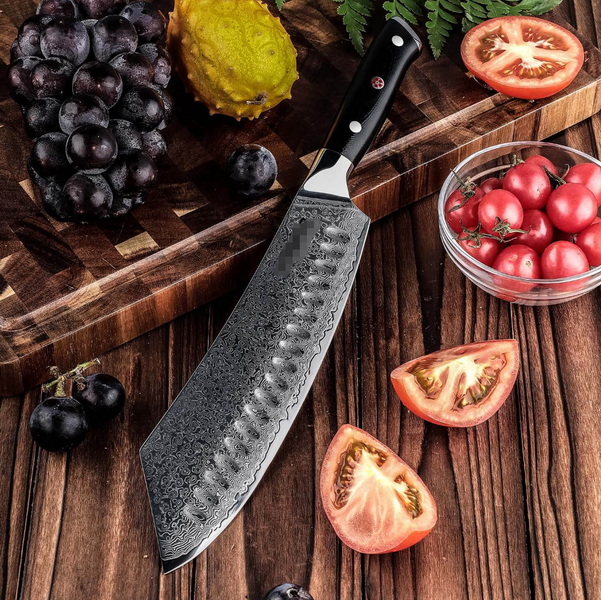
The enduring quality of Japanese slaughtering knives stems from a blend of traditional and modern techniques:
Forging involves heating steel to extremely high temperatures and hammering it repeatedly to remove impurities and shape the blade. Many manufacturers use layered steel techniques similar to those used in sword making, often involving folding the steel multiple times to create Damascus patterns. This layering offers incredible toughness and flexibility, essential for heavy-duty slaughtering knives.
After forging, the blade undergoes heat treatment such as quenching and tempering, sometimes involving cryogenic freezing (“ice hardening”) to enhance hardness and reduce residual stresses. These processes are crucial to ensure the blade maintains sharpness while resisting chipping under rigorous usage.
Japanese craftsmen manually sharpen blades with precision stones, achieving edges that can be as thin as 15 degrees per side. This is accompanied by polishing to reduce microscopic imperfections that can dull the blade. Finishing touches include engraving maker marks and sometimes applying decorative patterns.
Handles are traditionally crafted from natural woods shaped to fit comfortably in the hand. Modern variations include synthetic materials for moisture resistance. Attaching the handle securely using rivets or epoxy ensures durability in demanding slaughter environments.
Japanese slaughtering knife sets are indispensable for:
- Breaking down whole animals into manageable portions.
- Trimming fat, sinew, and skin with precision.
- Boning and filleting to maximize meat yield.
- Carving for presentation in culinary contexts.
The benefits of investing in quality Japanese slaughtering knives include reduced physical strain during cutting due to ergonomic design, longer-lasting sharpness that enhances productivity, and superior hygiene through precision slicing that minimizes contamination.
Many leading Japanese slaughtering knife manufacturers sell through authorized distributors worldwide, including specialized kitchen supply companies and online platforms. Their global presence is bolstered by partnerships with brands and wholesalers who rely on dependable supply chains and quality assurance.
In addition, many Chinese factories, such as ours, provide OEM services to overseas brands, manufacturing high-quality slaughtering knife sets inspired by Japanese designs. This collaboration helps make these premium knives more accessible worldwide while maintaining stringent quality standards.
| Manufacturer | Blade Material | Hardness (HRC) | Specialty | Location |
|---|---|---|---|---|
| Masamoto Sohonten | High-carbon steel | 60-62 | Customizable slaughtering knife sets | Tokyo |
| Misono | Swedish stainless steel (UX-10) | 60-62 | Western-style knives with ergonomic design | Seki |
| Sakai Takayuki | Damascus layered steel | 62-64 | Heritage, hand-forged Damascus blades | Sakai |
| Hinoura Hamono | Traditional Tamahagane steel | 63+ | Artistic, hand-forged knives | Sanjo, Niigata |
| Mac Knives | Molybdenum high-carbon steel | 60 | Razor-sharp, versatile knives | Tokyo |
Japanese slaughtering knife set manufacturers and suppliers exemplify a harmonious blend of historic craftsmanship and modern technology. Their knives are characterized by outstanding steel quality, razor-sharp edges, ergonomic design, and exquisite artistry. These factors combine to produce tools that not only excel in the demanding environments of slaughterhouses and professional kitchens but also carry the prestige of centuries-old tradition. For those seeking durable, efficient, and beautifully crafted slaughtering knives, Japanese manufacturers remain the gold standard.

A: These sets consist of tools specifically designed for tasks involved in slaughtering and butchering, including breaking down carcasses, boning, skinning, and carving. The knives are tailored for durability, sharpness, and specialized cutting needs.
A: Yes, many professionals in butcheries and large-scale meat processing plants prefer Japanese slaughtering knives for their unmatched precision and longevity.
A: Through the use of premium steel, expert heat treatments, and meticulous hand sharpening, these knives stay sharp longer than typical commercial knives.
A: Some manufacturers, such as Masamoto Sohonten, offer customization options to tailor knife sets to specific user requirements and preferences.
A: Authentic sets are available through reputable distributors in Japan and worldwide, as well as specialized online retailers. Many also collaborate with overseas factories providing OEM services.


