- All
- Product Name
- Product Keyword
- Product Model
- Product Summary
- Product Description
- Multi Field Search

Views: 222 Author: Ann Publish Time: 2025-11-17 Origin: Site


Content Menu
● Introduction: The Need for Sharpness
● Blade Materials: The Foundation of Performance
>> Carbon Steel & High-Carbon Stainless
● Blade Edge Geometry and Factory Grinding
● Innovations in Pizza Cutter Blade Design
>> Blade Guards and Ergonomic Handles
● The Role of Manufacturing Quality Control
● User Habits: Maximizing Blade Lifespan
● Sharpening Methods at Home and in Professional Kitchens
>> Whetstone & Stone Sharpeners
>> Knife Sharpeners & Diamond Files
>> Professional Sharpening Services
● Product Choices: What Buyers and OEM Clients Should Look For
>> Customization for International Markets
● Pizza Cutter Blade Myths and Buyer Mistakes
● Choosing the Perfect Pizza Cutter: For Home, Restaurant, or Export
● Expert Tips: Maximizing Blade Longevity
● Final Thoughts: Why Sharpness Matters in OEM Pizza Cutters
● FAQs About Pizza Cutter Blades
>> 1. What is the best material for a Pizza Cutter blade?
>> 2. How often should I sharpen my Pizza Cutter?
>> 3. Can all Pizza Cutters be sharpened at home?
>> 4. Does blade size affect sharpness?
>> 5. Do OEM Pizza Cutters offer replacement blades?
Every pizza lover knows the frustration of a dull Pizza Cutter—uneven slices, dragged toppings, and a destroyed presentation. For kitchenware OEM factories and buyers, making blades that stay sharp longer delivers both customer satisfaction and competitive value. What factors truly influence longevity? Explore the manufacturing secrets, materials science, user habits, and design innovations behind the perfect Pizza Cutter.
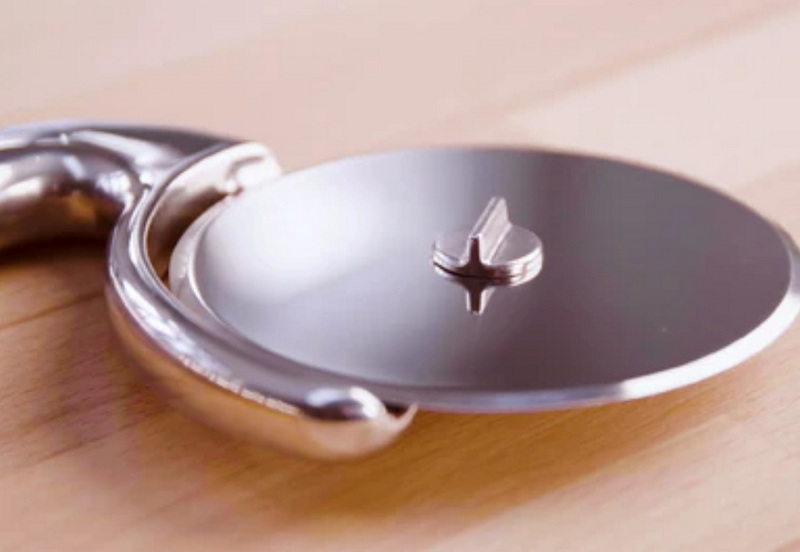
Stainless steel is the leading choice for Pizza Cutter blades because its corrosion resistance, hardness, and luster ensure lasting sharpness. OEM factories use a variety of stainless grades, including high-grade alloys like AEB-L, 440A, and 420HC, for professional and household blades.
Advantages:
- Hard and sharp for thick crusts.
- Rust-resistant even with frequent cleaning.
- Maintains shine and appearance over time.
Disadvantages:
- Slightly heavier than plastic.
- Can develop small rust spots if not dried properly.
Some premium blades feature high-carbon stainless alloys for improved edge retention and hardness. However, carbon steel needs proper drying and oiling to prevent rust. These blades offer razor-sharp edges but require diligent care, making them more suitable for professionals.
Well-engineered blade geometry and grinding are critical in maximizing Pizza Cutter blade sharpness and longevity. OEM factories invest in:
- Automated grinding to produce micro-beveled, uniform edges.
- Polishing that reduces microscopic roughness, helping blades stay sharp under heavy use.
- Laser-guided testing to ensure consistent thickness and angle, minimizing edge roll-over or chipping.
Rotary wheel cutters are efficient, minimizing blade exposure to hard surfaces and offering a consistent rolling motion, which reduces localized edge stress. OEM improvements include thicker wheels with reinforced rims and non-stick coatings to prevent food buildup.
A rocker-style Pizza Cutter with a curved blade delivers powerful leverage and cleaner cuts. Professional kitchens prefer rocker blades for high-volume service. High-carbon steel or stainless steel are standard for longevity in these designs.
Modern cutters feature retractable blade guards and ergonomic grips. These additions not only enhance user safety but also prevent dulling by protecting the blade during storage and use.
International OEM factories apply rigorous testing:
- Automated hardness measurement.
- Edge retention simulations.
- Corrosion resistance assessment.
These quality controls ensure Pizza Cutters meet global standards for durability. Leading suppliers offer competitive warranties and custom laser-marking for B2B clients.
The surface you slice on drastically affects blade sharpness. Wood, bamboo, or plastic cutting boards cushion the blade, preserving the edge. Avoid stone or glass surfaces, which can cause premature dulling and micro-chipping.
Proper cleaning is crucial for blade longevity. Wash Pizza Cutters in warm, soapy water and dry immediately—dishwasher use is fine for high-grade stainless but not recommended for carbon steel or plastic variants.
- Avoid soaking blades in water overnight.
- Do not use abrasive scouring pads.
Knife blocks with dedicated slots or blade covers protect Pizza Cutters from contact with other utensils, preventing chips and bends. Hanging hooks work well, too, especially for rotary cutters.
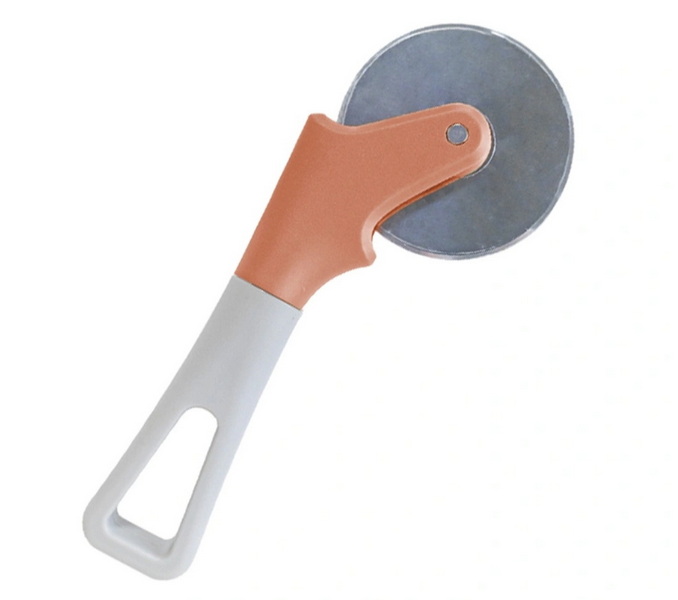
Many chefs sharpen Pizza Cutter blades with whetstones, maintaining a consistent 15-20° angle. Stone sharpeners work for rotary wheels and mezzalunas.
Standard knife sharpeners and small diamond files are suitable for quick touch-ups. Ensure you sharpen the full circumference of rotary blades evenly.
High-volume kitchens rely on specialized sharpening services using high-speed grinders, restoring blades and extending their commercial lifespan.
Opt for stainless steel or high-carbon steel for commercial environments. These materials resist frequent use, dishwashing, and acidic toppings better than budget alternatives.
Choose ergonomic, non-slip designs for comfort, especially in foodservice. Blade guards and replaceable wheels further extend product life.
OEM factories provide branding, laser-logo marking, custom handle colors, and packaging tailored to regional preferences. For wholesalers, options like removable wheels and extra blade sets add value for local customers.
- Aluminum foil and quick polishes do not sharpen blades; they may remove small burrs but cannot restore edge sharpness.
- Most steel blades can be sharpened with common kitchen tools; specialty sharpeners are not essential.
- Ceramic blades stay sharp longer than plastic, but they are not as durable for heavy use.
- Heavier blades may feel less flexible but provide more stable cutting.
- Home Use: Lightweight, affordable, easy to clean. Plastic or entry-level stainless steel.
- Professional Kitchen: Durable, sharp, ergonomic. Stainless or high-carbon steel, mezzaluna style preferred.
- OEM/International Buyer: Custom-branded, premium materials, advanced safety features, and detailed quality assurance.
- Invest in premium stainless steel blades for commercial and daily use.
- Store Pizza Cutters separately to avoid edge damage.
- Clean immediately after use and dry thoroughly, especially with high-carbon steel blades.
- Use proper sharpening tools—whetstones, diamond files, or professional services.
- Replace worn blades or wheels if available, especially for rotary or branded cutters.
A long-lasting, sharp Pizza Cutter blade is not just a quality-of-life issue—it's a mark of premium manufacturing and thoughtful user-centric design. For kitchenware factories and international buyers, focusing on blade materials, edge engineering, and user practices leads to superior products, satisfied customers, and robust brand reputation.
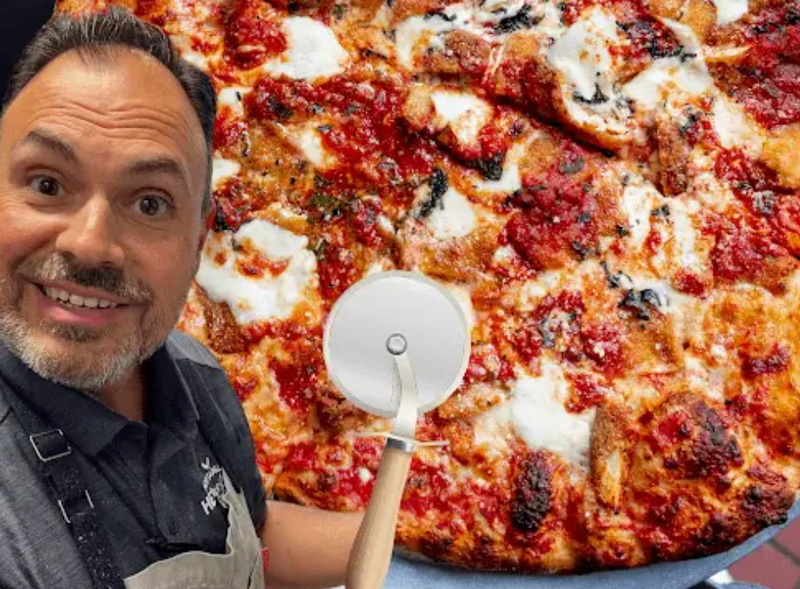
Stainless steel provides optimal sharpness, rust resistance, and durability for long-term use in home and professional kitchens.
Monthly for home cooks, weekly for professionals. Regular touch-ups keep the blade performing its best.
Yes, whetstones, knife sharpeners, or diamond files work for most blades. Rotary cutters need special attention to sharpen the full edge evenly.
Not directly; the quality of the grind, material, and maintenance are more important. Larger blades may feel more stable.
Premium and commercial-grade models often have replaceable wheels or blade heads, ideal for international buyers and heavy users.


