- All
- Product Name
- Product Keyword
- Product Model
- Product Summary
- Product Description
- Multi Field Search

Views: 222 Author: Ann Publish Time: 2025-11-22 Origin: Site


Content Menu
● The Growing Demand in Cheese Knife Export Markets
>> Packaging as a Brand Ambassador
● Critical Packaging Principles for Cheese Knives
>> Choosing the Right Packaging Materials
● Packaging Layers: From Primary to Master Cartons
● Design and Branding in Cheese Knife Packaging
>> Visual Design Considerations
>> Customization for OEM Exporters
● Sustainability in Packaging for Cheese Knives
● Reducing Costs While Ensuring Quality
● Testing Packaging Strength and Quality
● Shipping Logistics and Documentation
● Real-World OEM Packaging Example for Cheese Knives
● Emerging Trends in Cheese Knife Packaging
● Frequently Asked Questions (FAQ)
>> 1. What are the best materials for packaging Cheese Knives for export?
>> 2. How can packaging protect Cheese Knives during shipping?
>> 3. What labeling is essential on export Cheese Knife packaging?
>> 4. How do OEM factories support custom Cheese Knife packaging?
>> 5. Can sustainable packaging be cost-effective for Cheese Knives?
In the global kitchenware market, exporting high-quality Cheese Knives demands not only fine craftsmanship but also expertly designed packaging solutions. Packaging plays a crucial role in protecting the product, enhancing customer experience, and ensuring compliance with international shipping standards. For OEM manufacturers in China, mastering the art of Cheese Knife packaging is essential for securing global business, reducing damage rates, and elevating brand perception.
This comprehensive guide covers all key practices including material selection, protective techniques, sustainable options, and OEM customization benefits. It's tailored to help exporters meet the specific requirements of different international markets.

With the rise in gourmet cooking and cheese appreciation worldwide, demand for specialized Cheese Knives has surged dramatically in regions like Europe, North America, and Oceania. Retailers and consumers increasingly seek beautifully designed knives that also maintain sharpness and durability.
Packaging quality strongly influences purchase decisions. It is a silent ambassador for the brand, communicating value through appearance and usability. Reliable packaging reduces product returns due to damage—a critical cost factor in exports.
Because Cheese Knives feature thin, sharp blades and often delicate handles, ensuring their safe arrival is paramount.
- Wrap each knife blade in anti-rust paper to prevent corrosion caused by humidity during sea or air shipment.
- Use foam or EVA molds shaped to each knife's curve to prevent movement and scratching inside the box.
- Secure handles with elastic bands, then enclose the entire knife in a bubble wrap layer for shock absorption.
- For added safety, place sharp tips in protective caps or create custom cardboard inserts around them.
Sustainable and attractive materials help position your Cheese Knife product for success:
- Recycled Kraft or corrugated cardboard boxes provide eco-friendliness combined with strength.
- Rigid gift boxes with premium finishes like matte lamination or foil stamping are excellent for luxury sets.
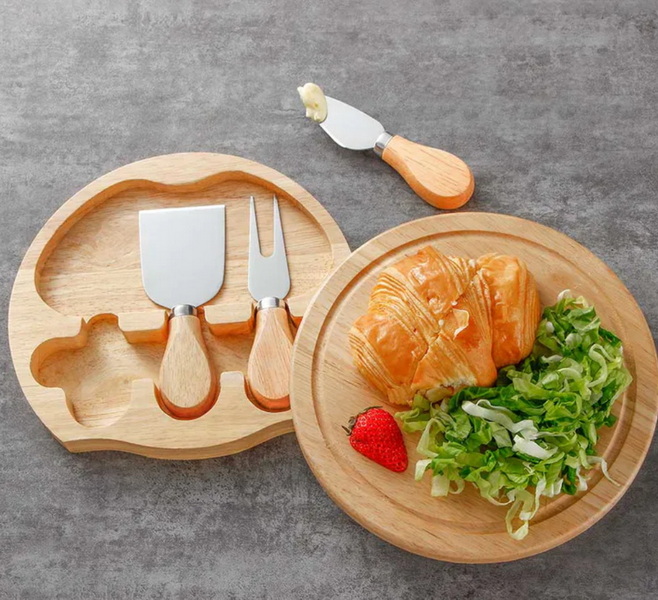
- Bamboo or wood cases appeal to eco-conscious consumers in premium markets.
- Plastic blister packaging suits low-cost retail segments but is less favored environmentally.
The first contact layer should emphasize both protection and presentation:
- Custom EVA trays or foam molded compartments tailor-fit each knife.
- Transparent sleeves or plastic blade guards keep edges visible yet safe.
- Instruction booklets or warranty cards can be elegantly inserted inside.
This groups individual Cheese Knives or sets and offers branding space:
- Printed custom boxes with brand logos and product imagery enhance shelf appeal.
- Magnetic closure boxes or ribbon ties create premium unboxing experiences.
Outer cartons must meet international freight standards:
- Double-wall corrugated fiberboard ensures durability and moisture resistance.
- Clearly printed shipping marks, batch numbers, and regulatory labels enable smooth customs clearance.
- Internal cardboard partitions prevent collision between packed units.
A strong visual identity supports brand differentiation:
- Minimalist design with clean fonts and subtle color palettes appeals to upscale consumers.
- High-resolution product photography on packaging clarifies the knife type and use.
- Inclusion of a brand story or care instructions builds consumer trust.
OEM factories can provide invaluable customization services:
- Custom print technologies such as hot stamping, embossing, or UV varnish add tactile and visual luxury.
- Adapting box dimensions based on SKU or product quantity optimizes shipping efficiency.
- Offering package design consultation helps brands create coherent market strategies.
Export compliance requires attention:
- Country-of-origin declaration (“Made in China”) is mandatory.
- Recycling and disposal marks comply with environmental laws.
- Barcodes and SKU labels facilitate inventory management.
Eco-packaging is becoming a market expectation:
- Use soy-based or water-based inks for printing.
- Eliminate single-use plastic with paper fills or biodegradable materials.
- Design reusable packaging, e.g., gift boxes that double as storage cases.
- Modular designs reduce material waste and allow easy recycling.
Adopting green packaging aligns with global consumer trends and import restrictions increasingly favoring sustainable goods.
Cost efficiency remains critical to OEM margins:
- Standardize box sizes across product lines to benefit from economies of scale.
- Source packaging materials locally or regionally to cut lead times and tariffs.
- Test prototypes rigorously to avoid costly returns or re-packaging.
- Automate packaging steps where possible, such as labeling and sealing.
Ensure your packaging stays intact under real-world conditions:
- Conduct drop tests simulating accidental falls during transit.
- Use vibration resistance tests mimicking transport motions.
- Monitor humidity exposure impacts on knife blades and packaging integrity.
Passing these quality controls guarantees fewer complaints and strengthens buyer confidence.
Packaging effectiveness also depends on accurate documentation:
- Detail packing lists specifying quantities and weights exactly.
- Include commercial invoices and certificates of origin for smooth customs clearance.
- Print shipping marks such as “Fragile” and handling instructions boldly on cartons.
Many importers require third-party inspection verifying:
- Packaging condition matches agreed standards.
- Labels and barcodes are correctly applied and legible.
- Accurate product counts correspond to packing documentation.
Passing these inspections builds trust and accelerates shipping.
A European gourmet brand tasked an OEM factory with creating packaging for a 5-piece Cheese Knife set aimed at specialty retailers.
- Crafted a sturdy magnetic rigid box with matte black finish.
- Designed custom EVA inserts holding each knife securely.
- Printed gold foil logos and product info on box lids.
- Included moisture absorber packets inside for humidity control.
The result was a 30% increase in retail sales attributed to premium packaging presentation and durability.
- Integration of QR codes linking to care/tutorial videos enhances user experience.
- Growing demand for minimalist, natural textures reflecting sustainability.
- Development of compact modular systems optimized for e-commerce shipments.
- Rise of reusable, gift-worthy boxes increasing value perception.
The role of export packaging for Cheese Knives transcends mere protection. It shapes customer perceptions, ensures regulatory compliance, and accentuates brand identity. OEM manufacturers who invest wisely in advanced packaging technologies, sustainable materials, and customized branding stand to strengthen their foothold in the competitive international market. Delivering a seamless combination of protection, style, and eco-friendliness guarantees long-term success and customer loyalty.
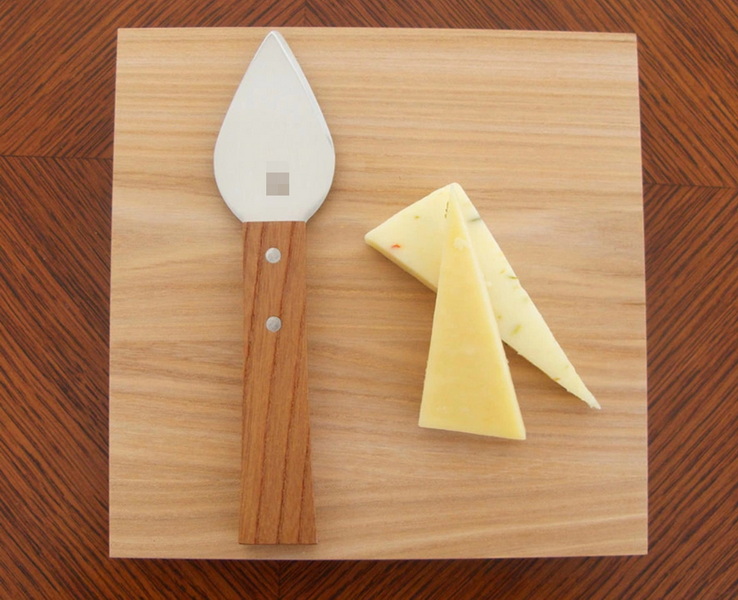
Recycled cardboard, EVA foam inserts, rigid cardboard gift boxes, and wooden cases provide a balance between protection and upscale presentation.
Use protective blade covers, anti-rust paper, foam molds, and bubble wrap to safeguard knives against moisture, impact, and movement.
Country of origin, recycling symbols, barcodes, SKU numbers, and handling marks are typically required to meet international import standards.
They offer tailored box sizes, logo printing options, packaging design services, and compliance assistance for global buyer preferences.
Yes, by standardizing sizes, using recycled materials, and reducing plastic use, companies can cut costs while appealing to eco-conscious markets.


