- All
- Product Name
- Product Keyword
- Product Model
- Product Summary
- Product Description
- Multi Field Search

Views: 222 Author: Ann Publish Time: 2025-11-08 Origin: Site


Content Menu
● Understanding core bread knife requirements for commercial use
>> Blade length, geometry, and serration
>> Steel quality and edge retention
>> Handle design, balance, and ergonomics
>> Durability, sanitation, and lifecycle
● Manufacturing approaches and OEM strategy
>> Forged versus stamped blades
>> Blade steel options and finishes
>> Quality control and supply chain
● Practical selection criteria for commercial kitchens and OEM buyers
>> Performance testing and benchmarking
>> Maintenance and lifecycle planning
>> Sanitation compatibility and safety
>> Cost-to-value considerations
>> Branding, packaging, and value-added services
● Why bread knives fit into broader OEM product families
● Global market considerations and supplier readiness
● A practical OEM-ready blueprint for Bread Knife offerings
● FAQ
>> 1) What blade lengths are most common for commercial bread knives?
>> 2) Are forged Bread Knives worth the extra cost for OEM programs?
>> 3) How should Bread Knives be maintained to maximize lifespan?
>> 4) Can Bread Knives be dishwasher-safe in commercial settings?
>> 5) What customization options appeal most to OEM buyers?
In professional kitchens, a bread knife is far more than a simple slicer. It is a reliability anchor that influences portion control, presentation, and overall efficiency. This article guides OEM buyers, brand partners, and culinary operations through selecting the ideal Bread Knife for commercial kitchens, emphasizing blade geometry, steel quality, handle ergonomics, maintenance, and supplier capabilities. It also outlines practical evaluation criteria, maintenance routines, and customization options essential for scalable OEM programs.

Bread knives designed for commercial environments must balance speed, precision, and durability. A well-chosen blade enables consistent slice thickness across diverse bread types—from crusty artisan loaves to soft sandwich breads—without crushing the crumb or tearing crusts. In high-volume operations, the knife should minimize fatigue for staff and withstand frequent cleaning, sanitization, and storage in busy prep areas.
The blade length typically falls in the 8 to 10 inch range, offering ample reach for large loaves while preserving control on cutting boards. Fine-tooth serrations cut smoothly through crusts, while more robust serrations tackle denser bread with fewer strokes. The blade's geometry—flat-ground versus convex backs, and the bevel angles—impacts cutting efficiency and the amount of pressure required. For OEM lines, offering a selection that includes 8, 9, and 10 inch options accommodates diverse bakery and restaurant workflows.
High-carbon stainless steels provide an optimal blend of hardness, corrosion resistance, and ease of maintenance. In commercial settings, edge retention and ease of sharpening are paramount, as frequent use in busy kitchens increases wear. Some programs favor steel alloys with additional vanadium or nitrogen-treated surfaces for improved wear resistance. Coatings or finishes can reduce food sticking and ease cleaning, though some chefs prefer bare steel for visibility of the edge and ease of sharpening.
A comfortable, well-balanced handle reduces fatigue during long service periods. Textured, non-slip grips and full tang constructions contribute to control and safety. For OEM programs, customization options such as branding on the blade or handle, color-matched accents, and tailored ergonomics help differentiate products in competitive markets.
Commercial bread knives must endure frequent wash cycles, sanitize protocols, and rough handling. Dishwasher compatibility is beneficial but may impact edge life depending on water temperature and rinse conditions. Durability also encompasses resistance to corrosion, pitting from cleaning chemicals, and the ability to maintain a sharp edge through repeated professional sharpening.
Forged blades often offer superior strength, balance, and edge geometry—attributes valued in high-volume kitchens and premium OEM lines. Stamped blades can deliver cost advantages and high-volume scalability, suitable for value-oriented programs without compromising essential performance. OEM partners frequently offer a mix of forged and stamped options to cover price bands and customer segments.
Common commercial-grade choices include stainless grades that balance hardness and corrosion resistance. Finishes (satin, bead-blasted, or mirror) influence corrosion visibility and maintenance perception. Be mindful that coatings may affect sharpening behavior and repairability; for some operators, a non-coated blade is preferred for long-term refurbishments.
Plastic, POM, and fiberglass-reinforced handles are common, with optional ergonomic shaping, subtle color accents, and branding. For OEM collaborations, offering customizable branding, packaging, and certificates of conformity can strengthen market appeal, especially in international markets with stringent procurement standards.
OEM buyers value supplier transparency, stable lead times, and strict QA processes. Documentation such as material certificates, testing protocols, and post-production inspection results support compliance with international standards and customer expectations.
Conduct real-world tests across bread types, including baguettes, sourdough, rye, and soft sandwich breads. Evaluate slice uniformity, crumb integrity, and crust penetration. Record ease of sharpening and edge stability after simulated daily cycles.
Outline maintenance routines such as honing frequency, sharpening intervals, and storage practices. A bread knife with longer edge retention reduces downtime and replacement costs in high-use environments.
Ensure materials tolerate frequent cleaning, high-temperature wash cycles, and sanitizers. Non-slip handles and integrated blade protection contribute to safer handling and storage in professional kitchens.
Balance unit price with expected lifespan, warranty terms, and included after-sales support. In OEM catalogs, tiered pricing and bundled maintenance kits can incentivize larger contracts.
Offer branding on blades or handles, packaging with clear care instructions, and optional maintenance kits or replacement blade programs. These features can differentiate an OEM bread knife in crowded international markets.
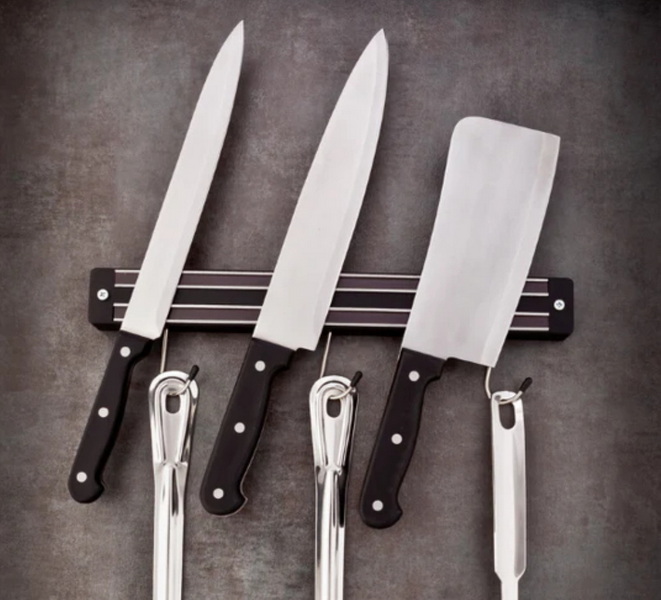
Bread knives are typically part of comprehensive cutlery suites offered in OEM programs. Cross-selling opportunities arise when customers want matched knives for other tasks (e.g., chef's knives, paring knives, slicers) and accompanying storage solutions such as knife blocks and blade guards. A cohesive line with consistent ergonomics and branding improves brand recognition in international markets.
When selling to foreign brands, wholesalers, and manufacturers, ensure compliance with regional food-safety and labeling standards. Transparent communication about lead times, minimum order quantities, and post-sales service builds trust across diverse regulatory environments. A bread knife that aligns with multi-region packaging and multilingual care guides provides smoother market entry and ongoing customer satisfaction.
- Standard options: 8, 9, and 10 inch blade lengths; forged and stamped variants; POM or polymer handles with ergonomic shaping.
- Customizable features: blade branding, handle color accents, packaging design, and care instruction cards in multiple languages.
- Value-added services: maintenance kits, sharpeners, and a blade-replacement program to extend product life in demanding kitchens.
Choosing the ideal Bread Knife for commercial kitchens hinges on a balance of blade geometry, steel quality, handle design, and maintenance requirements, coupled with the supplier's capacity to deliver customized OEM solutions at scale. A well-curated bread knife lineup supports consistent slicing performance, reduces waste, and enhances operational efficiency across varied foodservice environments. For OEM clients, offering customizable Bread Knife solutions with reliable supply chains, regional certifications, and robust after-sales support unlocks scalable growth with foreign brands, wholesalers, and manufacturers. The Bread Knife remains a central instrument in professional kitchens, and the right choice reinforces food safety, presentation quality, and brand differentiation.
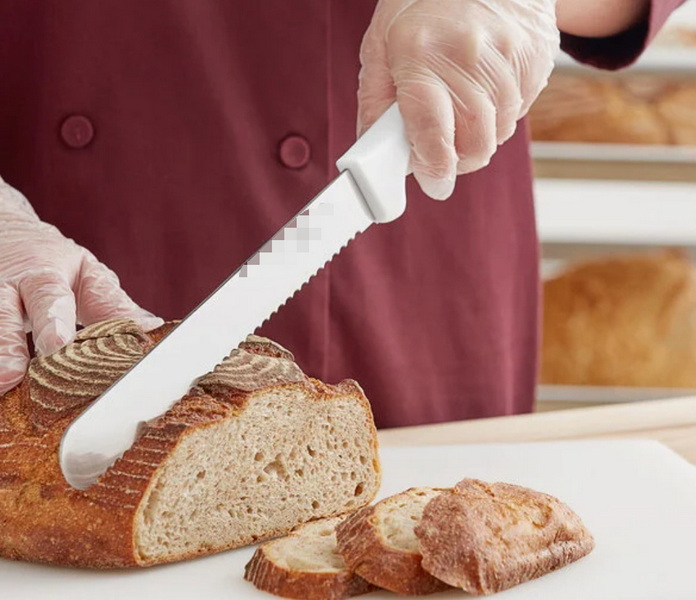
Answer: The most common lengths are 8, 9, and 10 inches, selected to balance reach with control across diverse bread types. The 8-inch is agile for small boards, while 10-inch blades cover larger loaves efficiently.
Answer: Forged blades typically offer enhanced durability, balance, and edge stability, which can justify a higher unit price in durable OEM lines designed for high-usage environments.
Answer: Regular honing, periodic professional sharpening, thorough cleaning after use, and thorough drying prevent corrosion and preserve edge quality over time.
Answer: Many are labeled dishwasher-safe, but repeated high-heat cycles can impact edge life. Provide clear guidance in OEM packaging and care cards to balance convenience with longevity.
Answer: Branding on blades or handles, color-matched packaging, multilingual care guides, and bundled maintenance kits commonly drive OEM interest and perceived value.


